FAQs

What causes tight calves and why do they keep coming back?

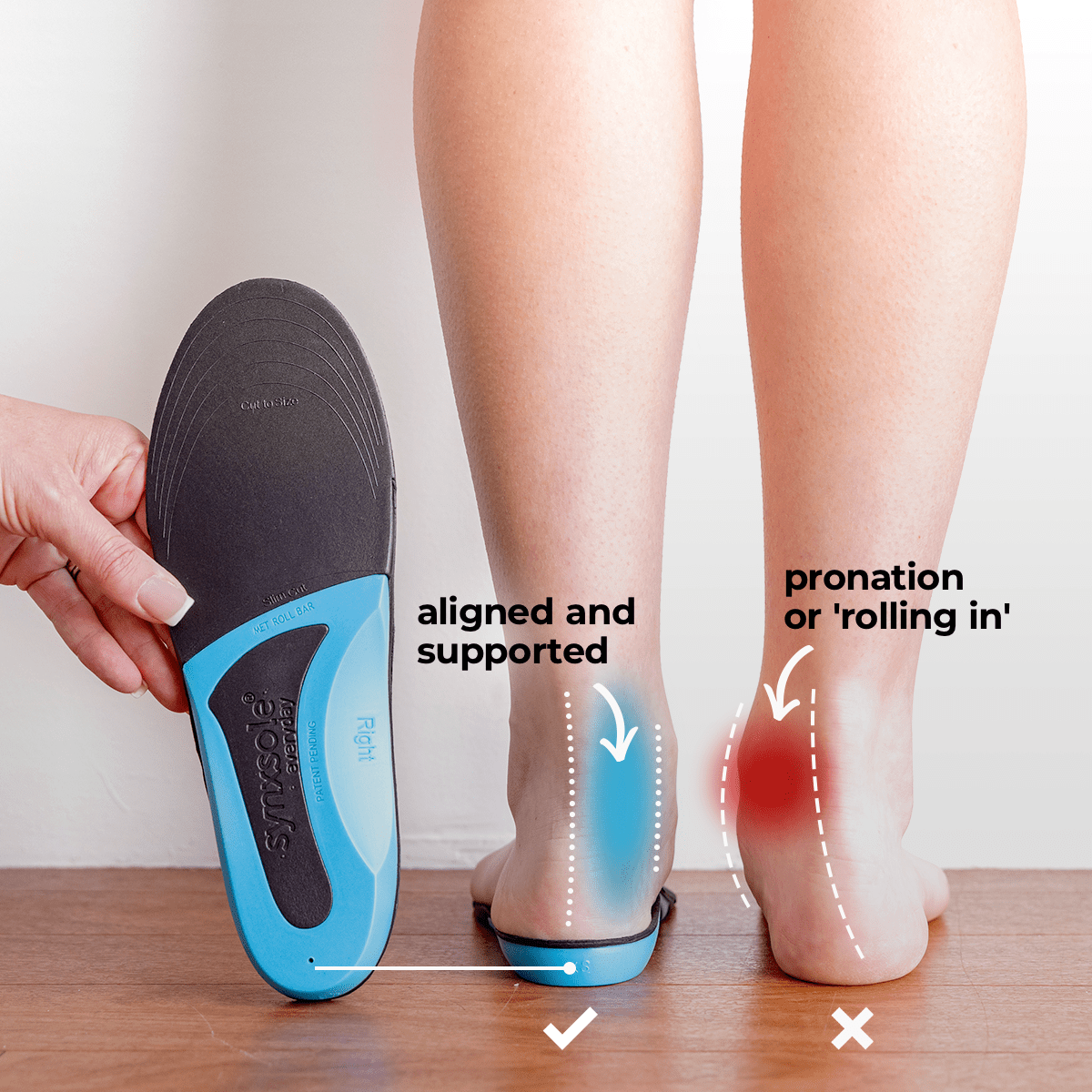
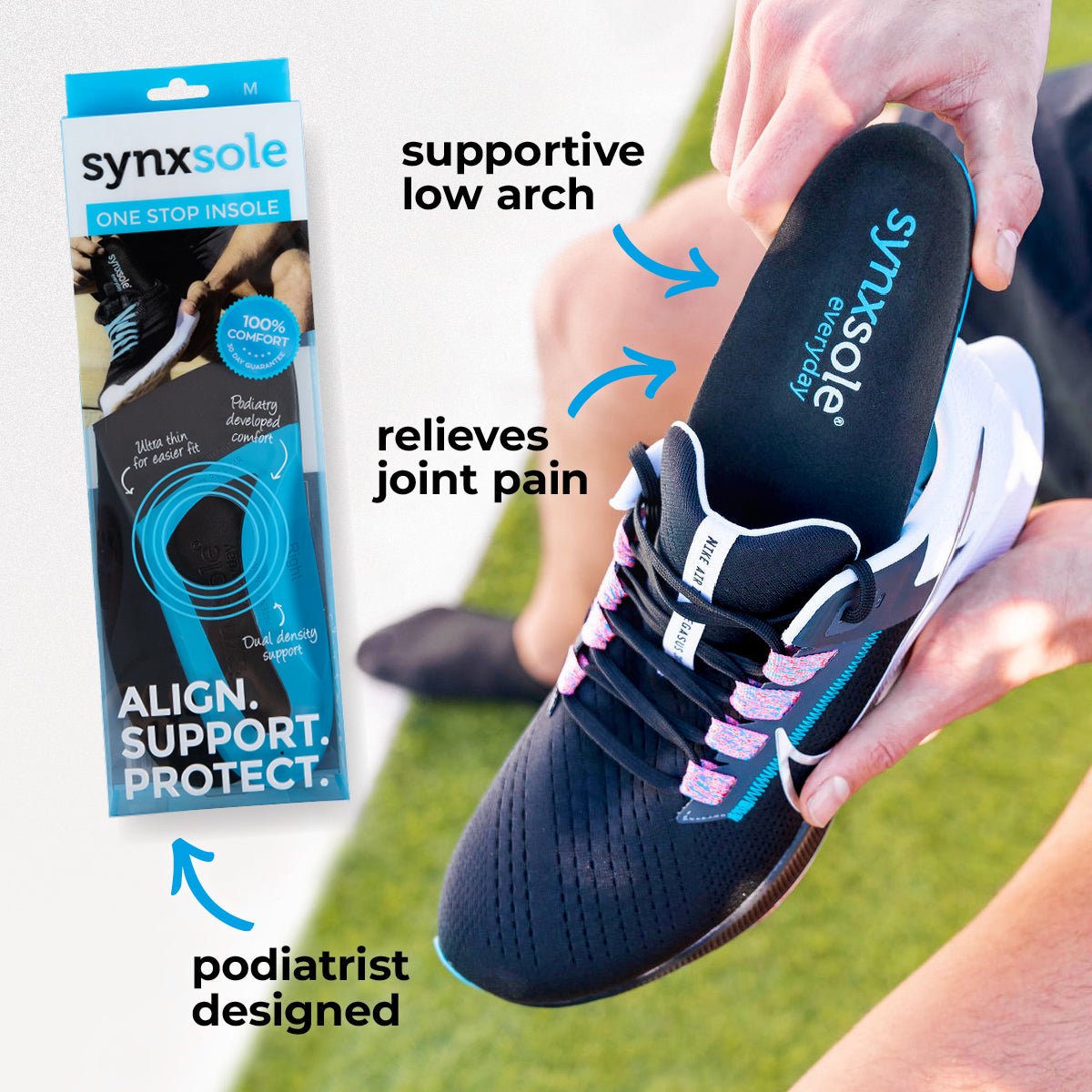
Calf tightness develops from a combination of muscle overload, reduced circulation, trigger point formation and the biomechanical demands that poor foot alignment places on the posterior chain. The most common drivers are high training loads that exceed the calf's recovery capacity, prolonged standing or sitting that reduces circulation and allows the muscle to stiffen between activity periods, overpronation and arch collapse that increase the functional demand on the calf muscles with every step and inadequate recovery between sessions. Calves that keep getting tight despite regular stretching are almost always being maintained by a biomechanical cause that stretching alone can't address which is why the Synxsole Align Pro Insoles are such an important part of the management routine alongside the RelaxaPulse Vibrating Massage Roller, Synxeaze Magnesium Roll-On and Foot & Ankle Compression Sleeves.

What is the fastest way to relieve tight calves?

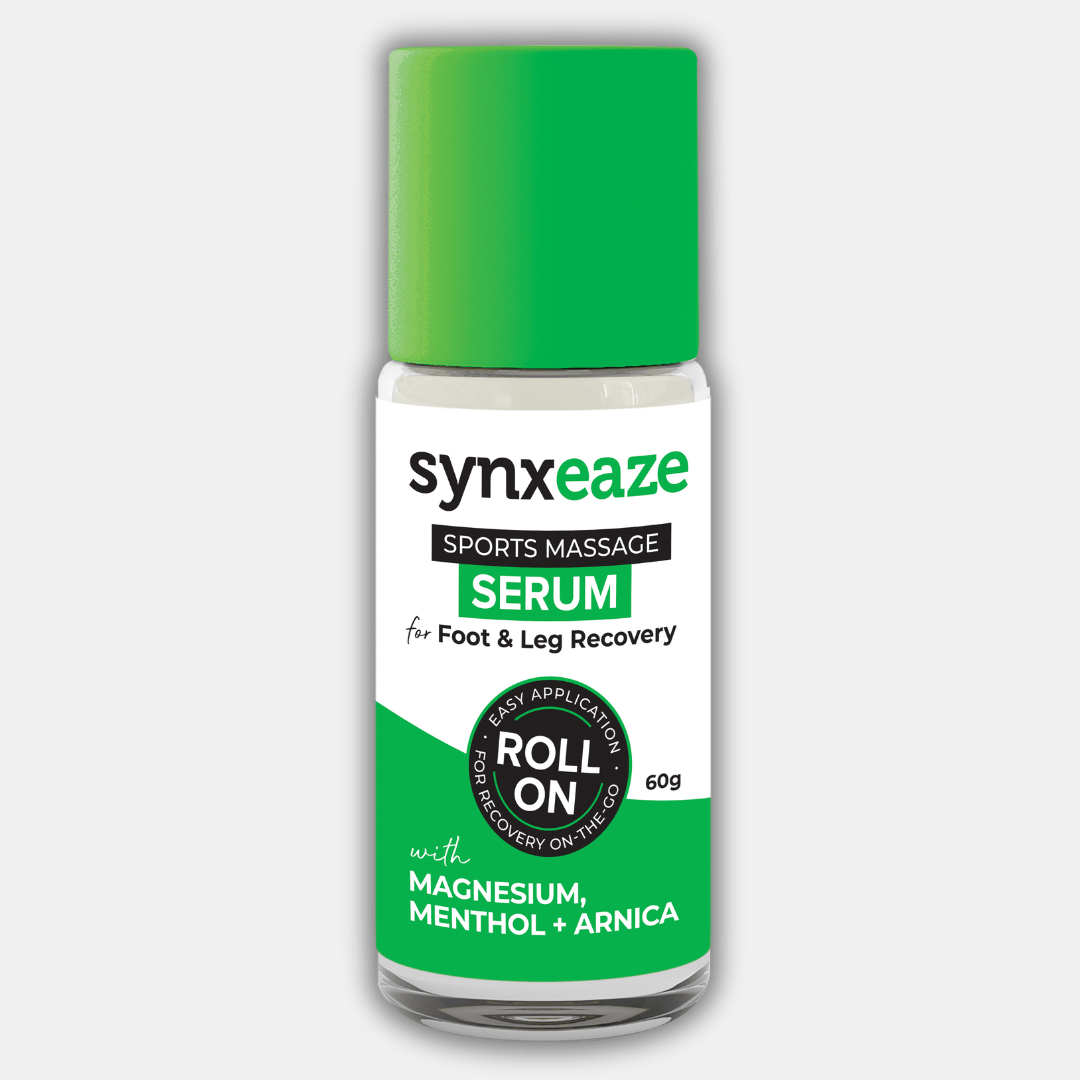
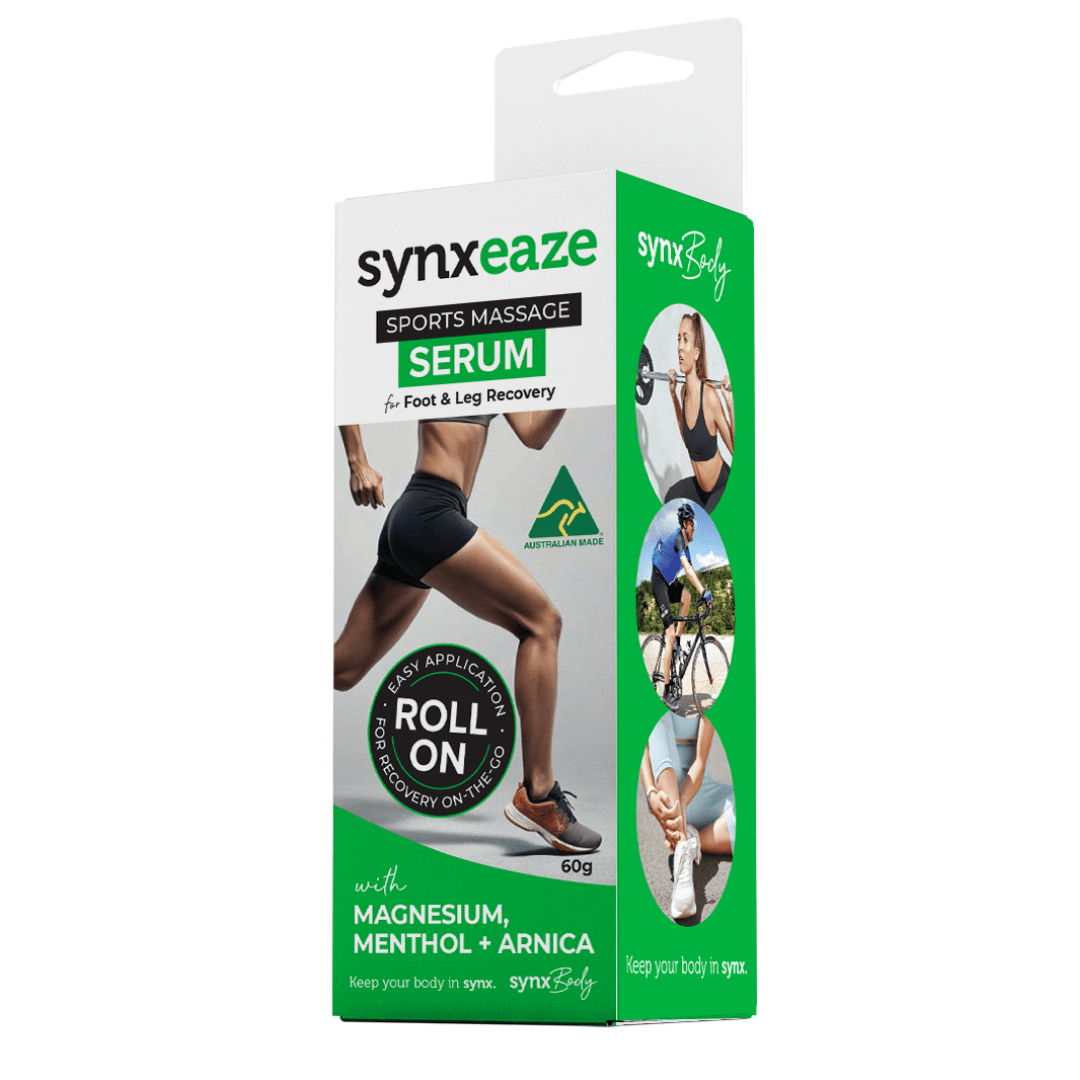
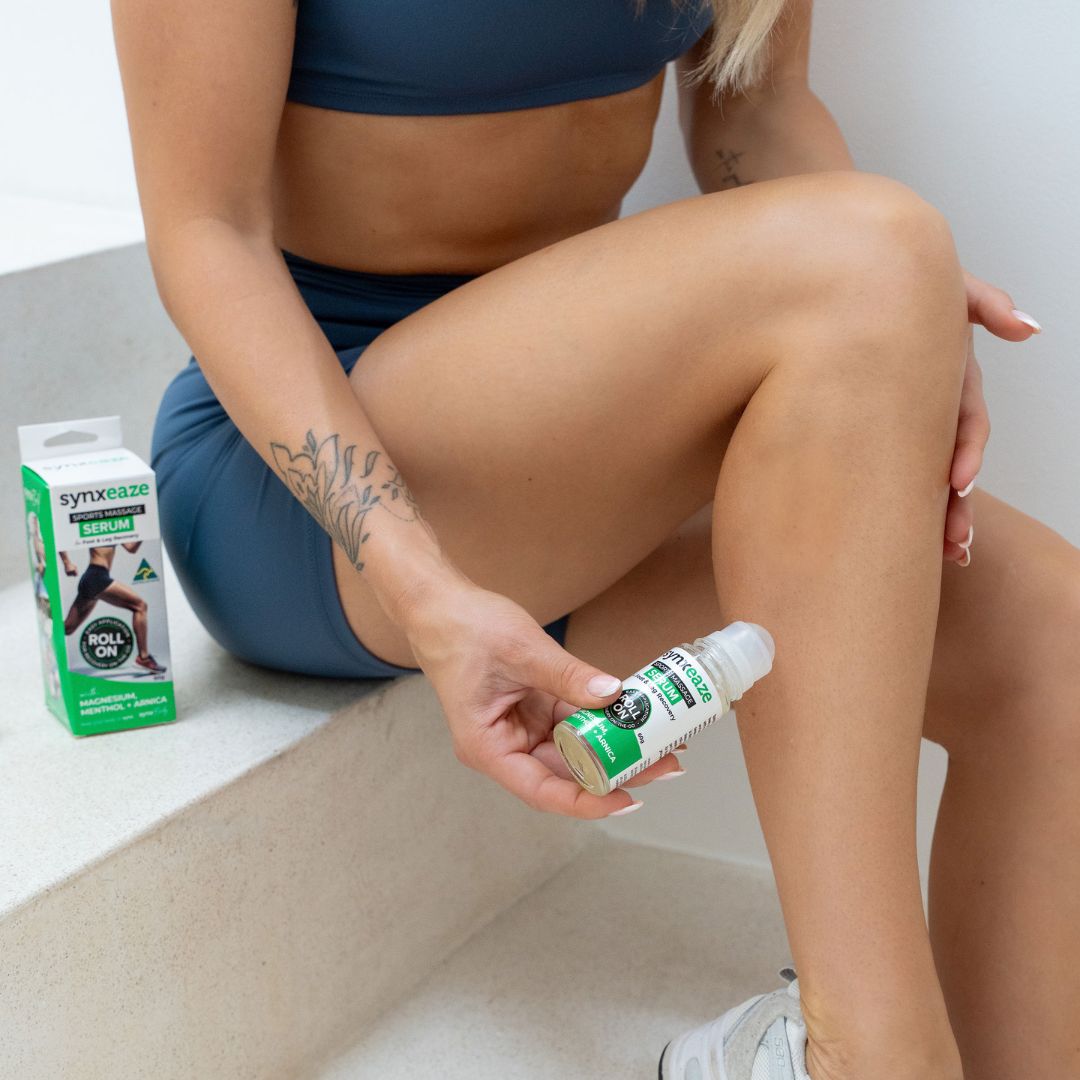
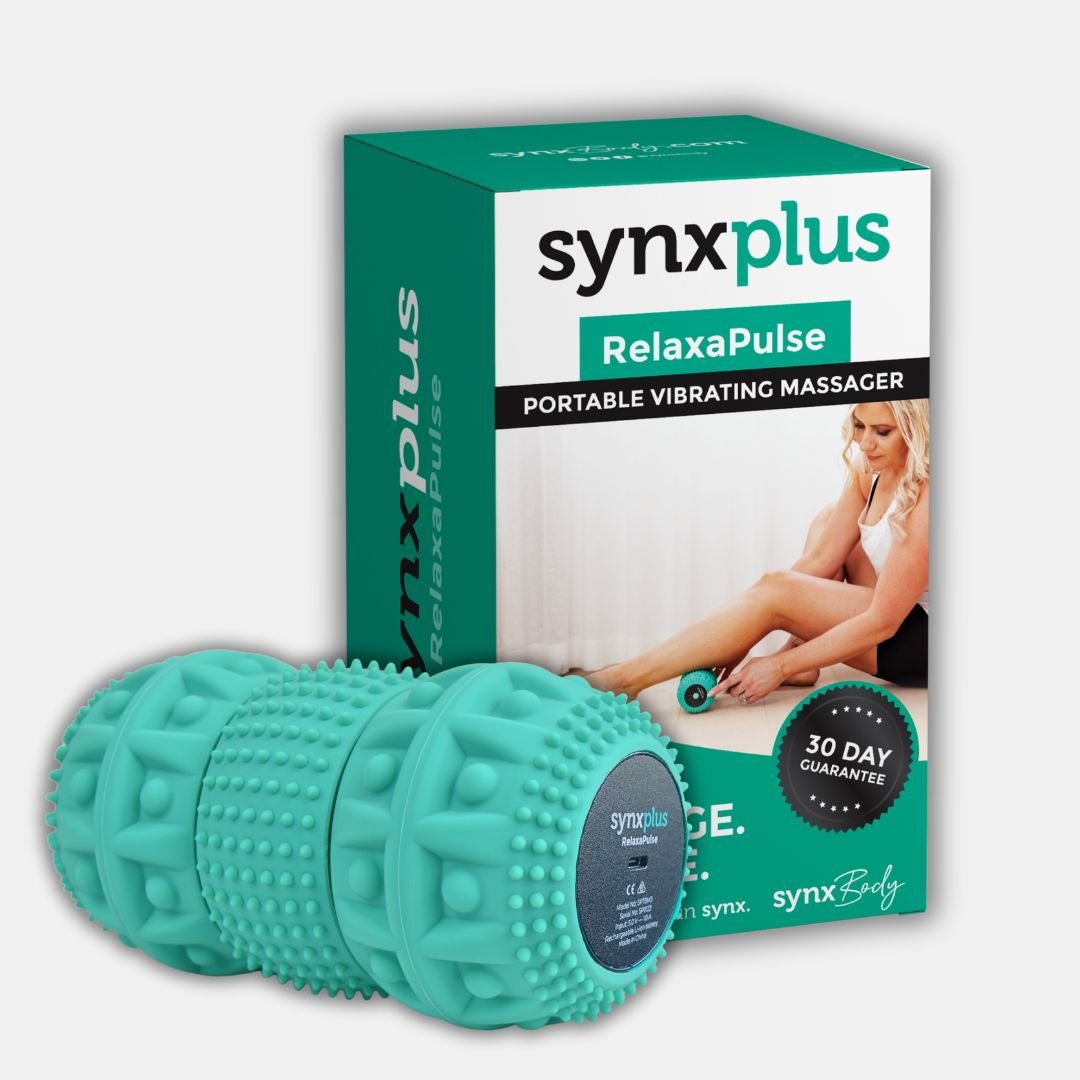
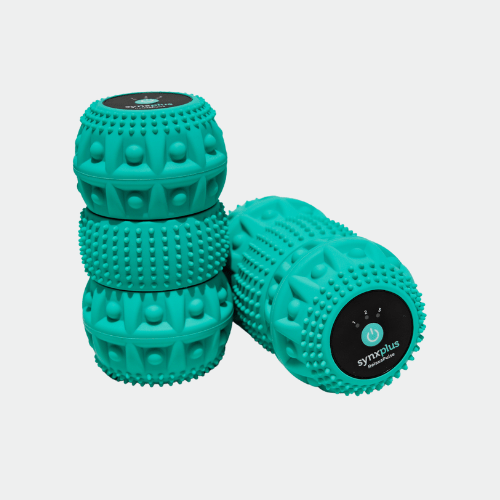
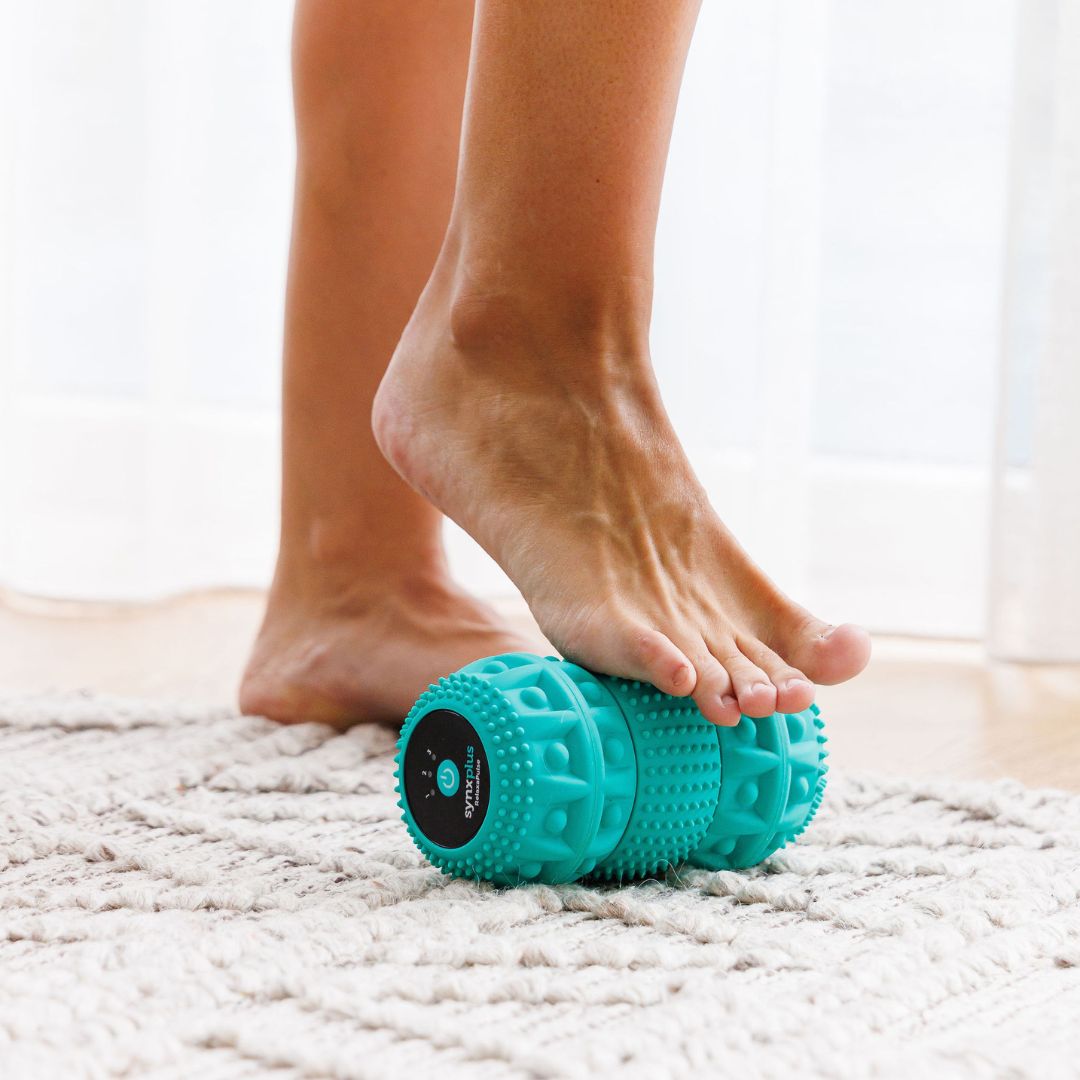
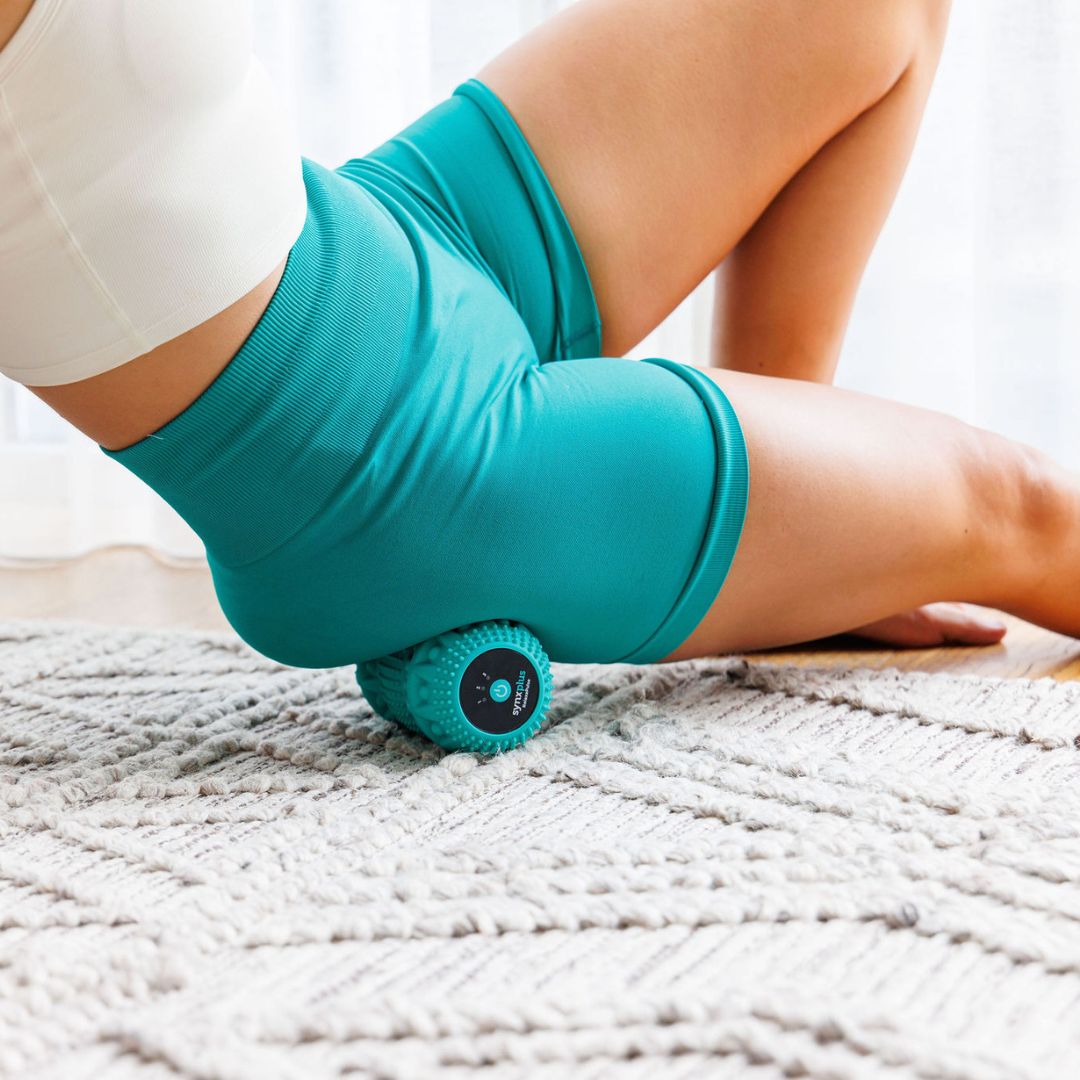
The fastest relief from acute calf tightness combines mechanical release with topical recovery support in sequence. Use the RelaxaPulse Vibrating Massage Roller on the calf for ten to fifteen minutes working from the ankle upward toward the back of the knee and pausing on trigger points. Apply the Synxeaze Sports Massage Magnesium Roll-On immediately after rolling two to four rolls directly onto the calf and massage gently until absorbed. The roller increases local circulation and opens the calf muscle, allowing the 32% magnesium chloride, menthol and arnica to absorb more effectively and work more powerfully than they would on cold unstimulated tissue. The Recover & Revive Bundle pairs both products together at a discounted price for the complete release and recovery ritual.

Can tight calves cause heel pain and plantar fasciitis?

Yes and this is one of the most important connections in foot and lower limb health that most people managing plantar fasciitis overlook. The calf muscles connect to the heel bone through the Achilles tendon and the Achilles connects to the plantar fascia at its calcaneal attachment. When the calf is tight it increases the tensile load on both the Achilles and the plantar fascia with every step maintaining the conditions that drive plantar fasciitis and Achilles tendonitis even when insoles, compression and heel cushioning are applied consistently. Releasing calf tightness with the RelaxaPulse daily and addressing the biomechanical cause with the Synxsole Align Pro Insoles is one of the most important but most commonly missed components of plantar fasciitis management.

Can tight calves cause knee pain and lower back pain?

Yes the calf is part of the posterior chain the interconnected system of muscles that runs from the sole of the foot up through the calf, hamstring, glute and lower back. When the calf is chronically tight it alters the mechanics of the entire chain restricting ankle dorsiflexion, changing the way the knee tracks during movement and increasing the demand on the hamstrings, glutes and lower back to compensate. Releasing calf tightness consistently with the RelaxaPulse Vibrating Massage Roller and managing it with the Synxsole Align Pro Insoles often produces noticeable improvement in knee and lower back pain because the tension causing the upstream symptoms has been addressed at its source rather than managed symptomatically.

Does compression help with tight calves?

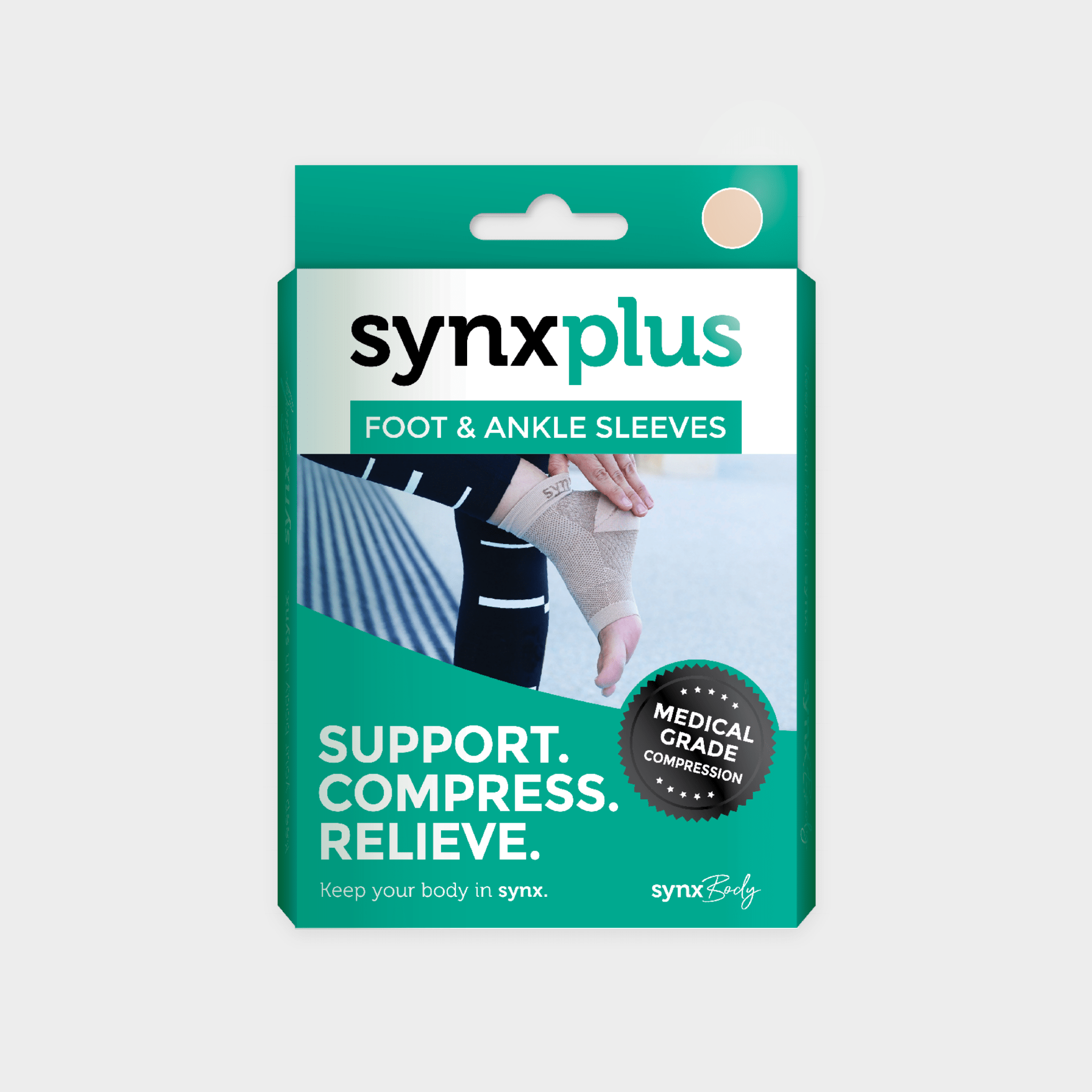
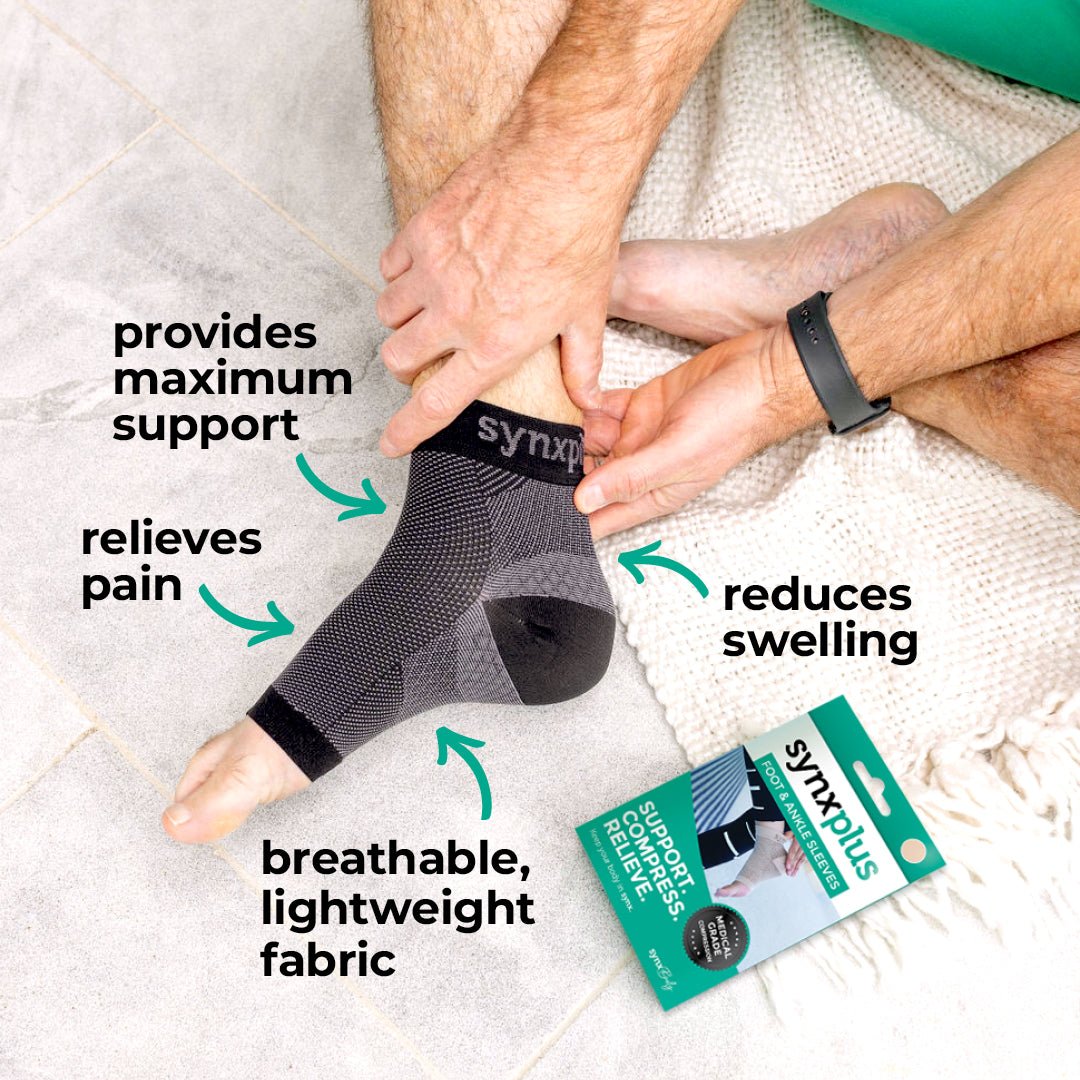
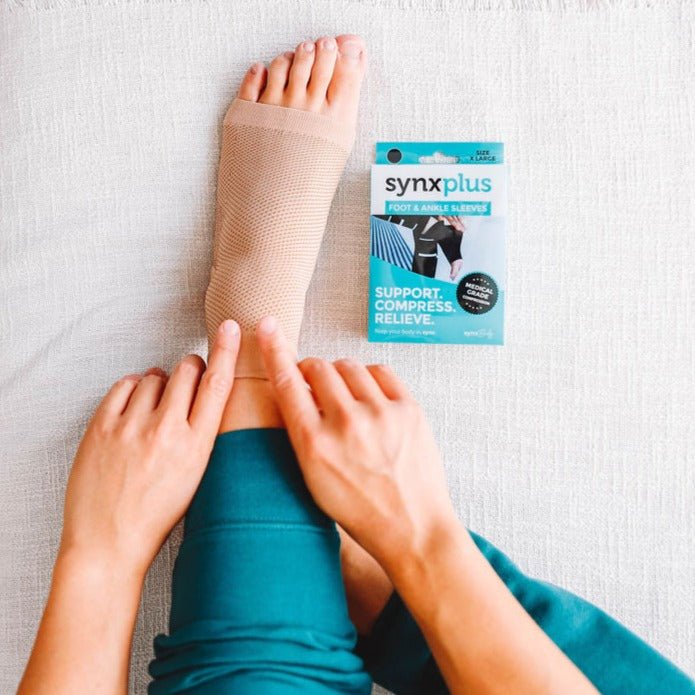
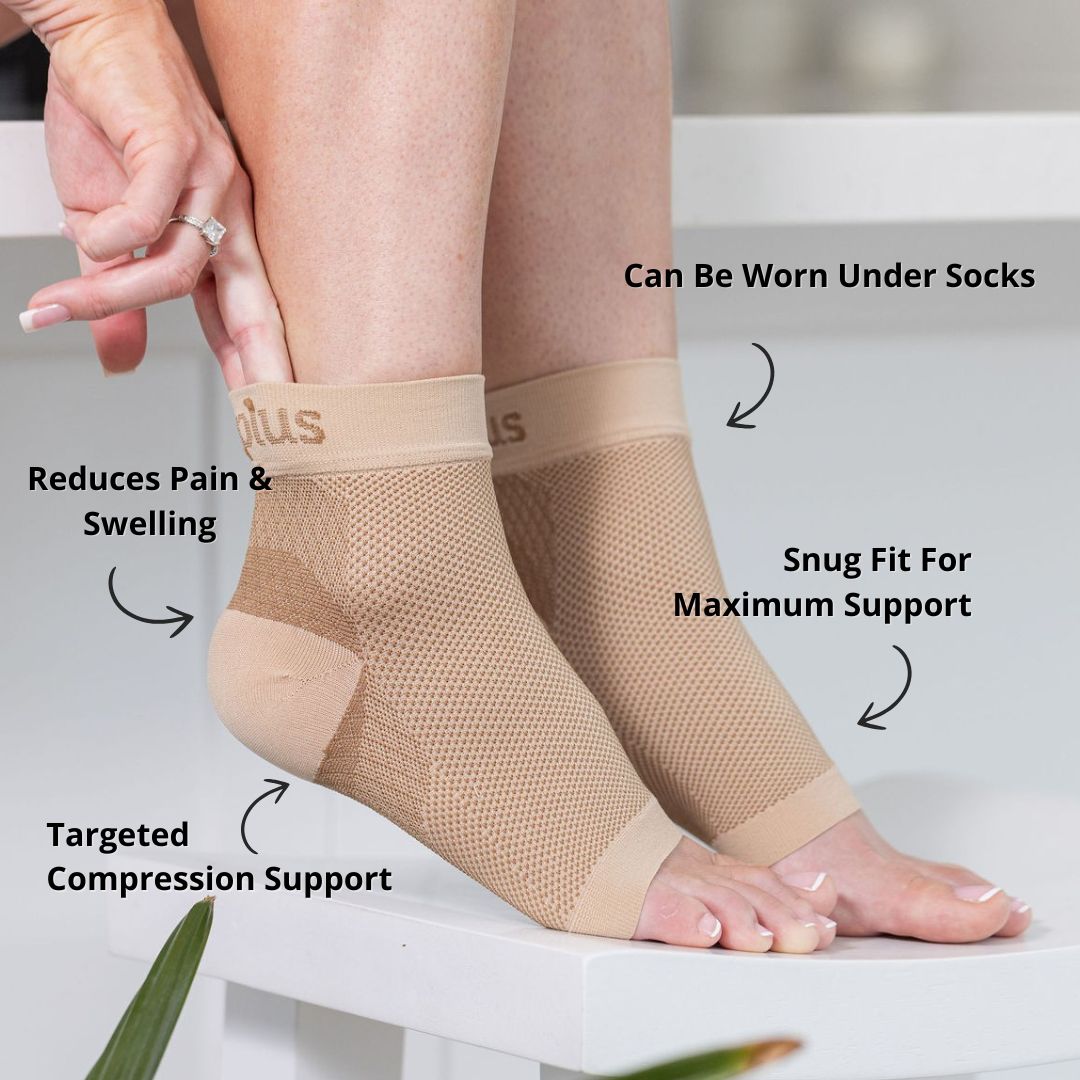
Yes the SynxPlus Foot & Ankle Compression Sleeves support tight calf management in two important ways. During activity, ARTG-approved Class 2 Medical Compression (23–32 mmHg) reduces muscle vibration, improves venous return and provides the structural support that reduces the rate at which the calf tightens through training and extended standing. After activity, compression manages the post-exercise inflammation and swelling that contributes to the next-day tightness and soreness that accumulates with high training loads. Overnight compression is particularly effective for people whose calves are tight and sore first thing in the morning managing the overnight inflammation that creates the stiffness on waking.