FAQs

What is the best insole for plantar fasciitis?

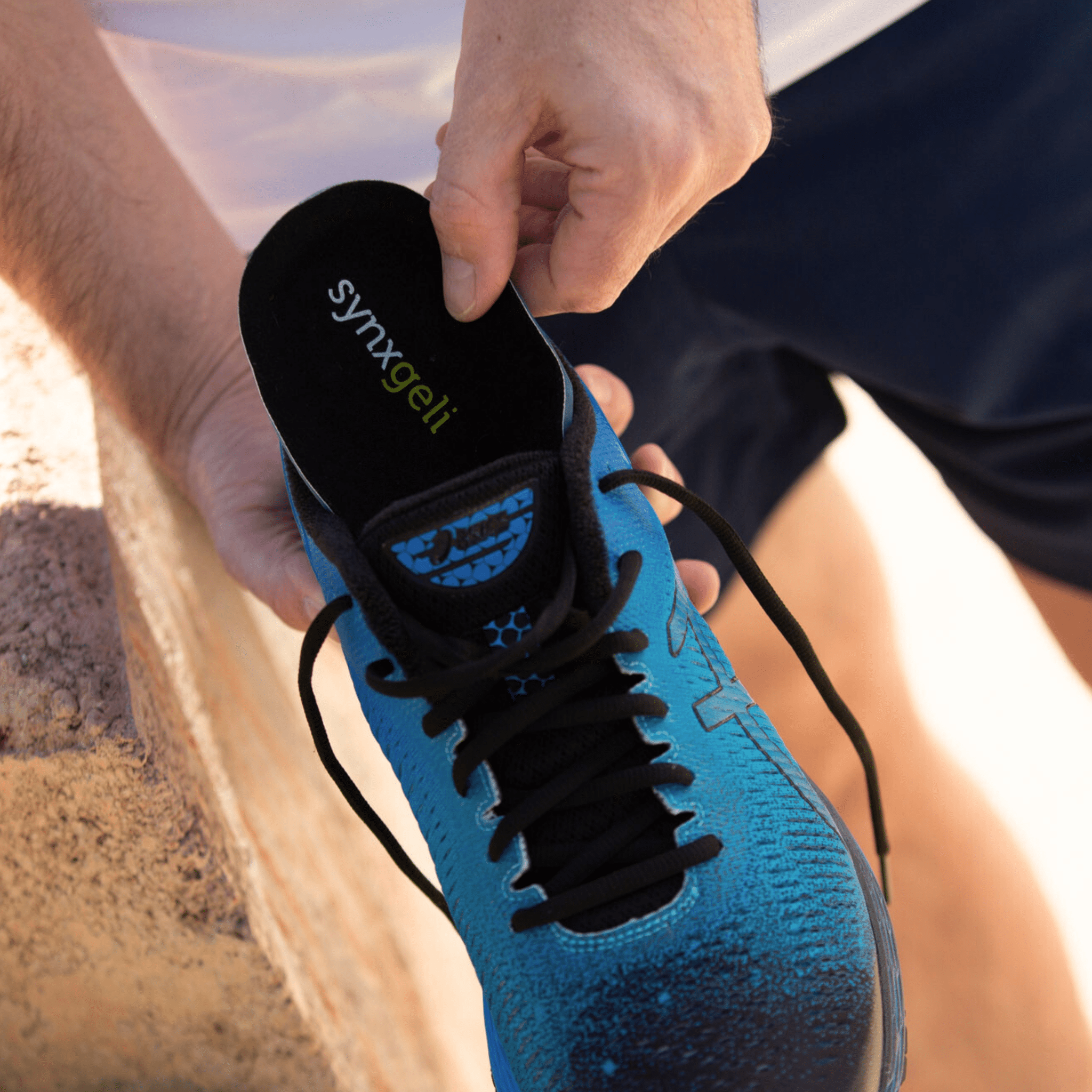
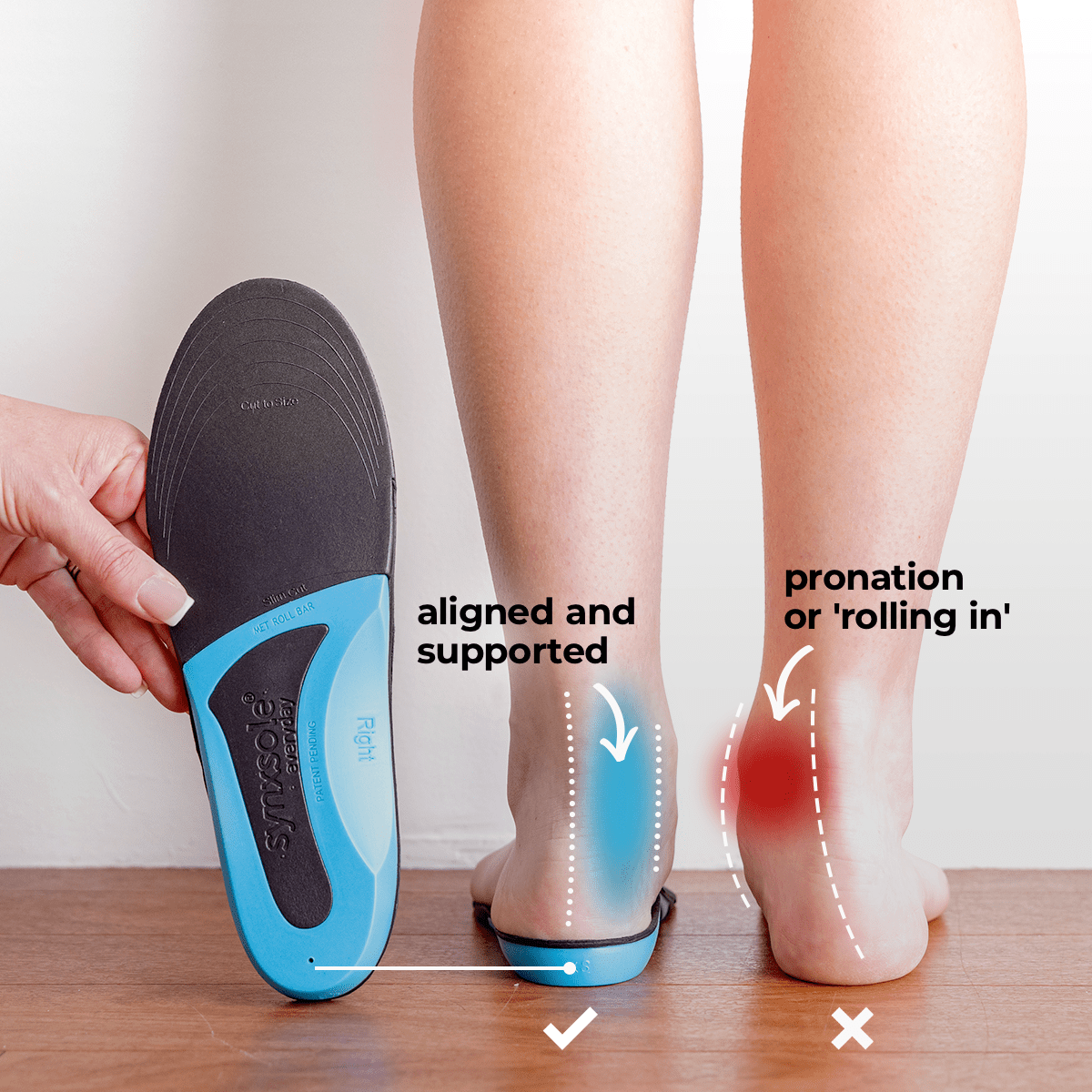
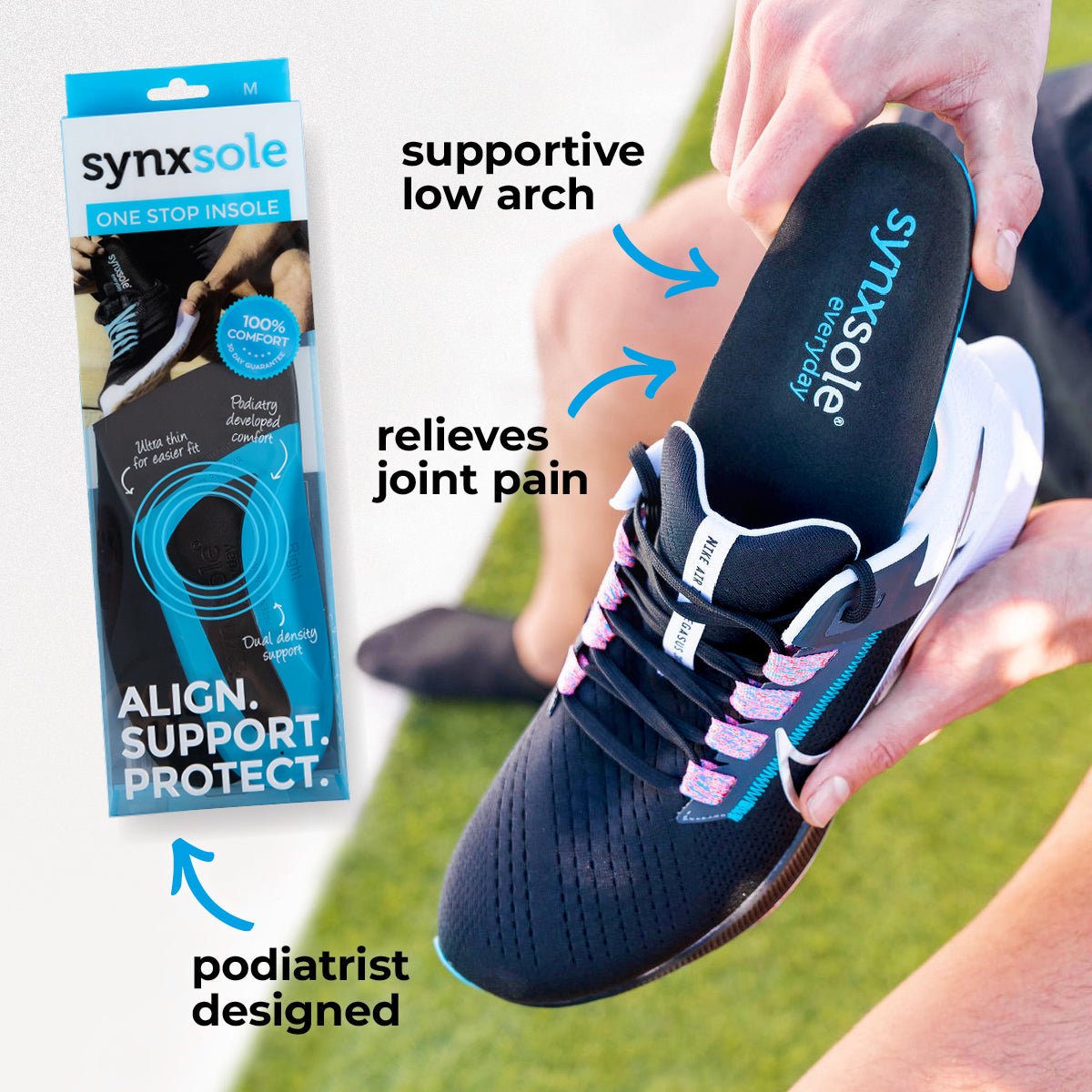
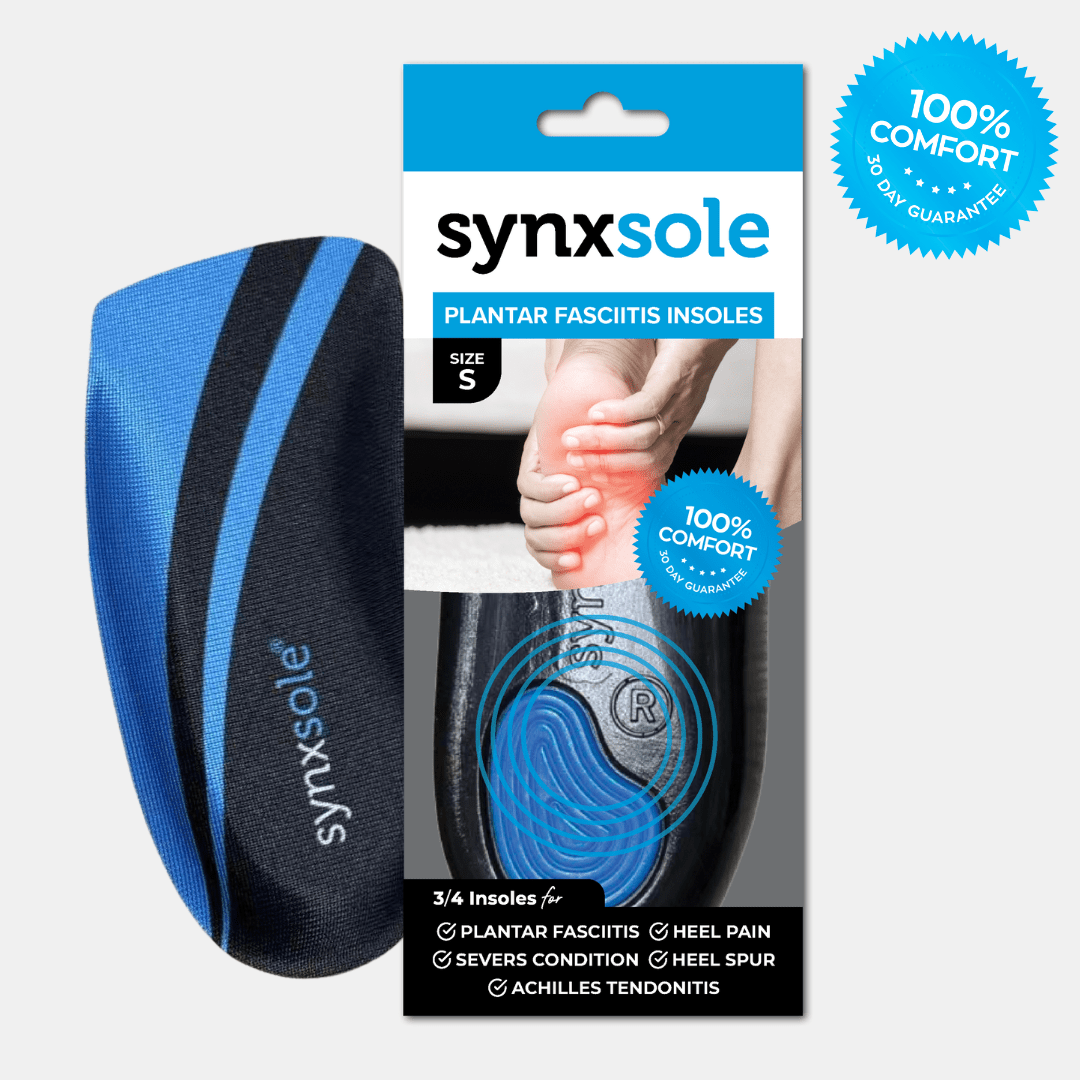
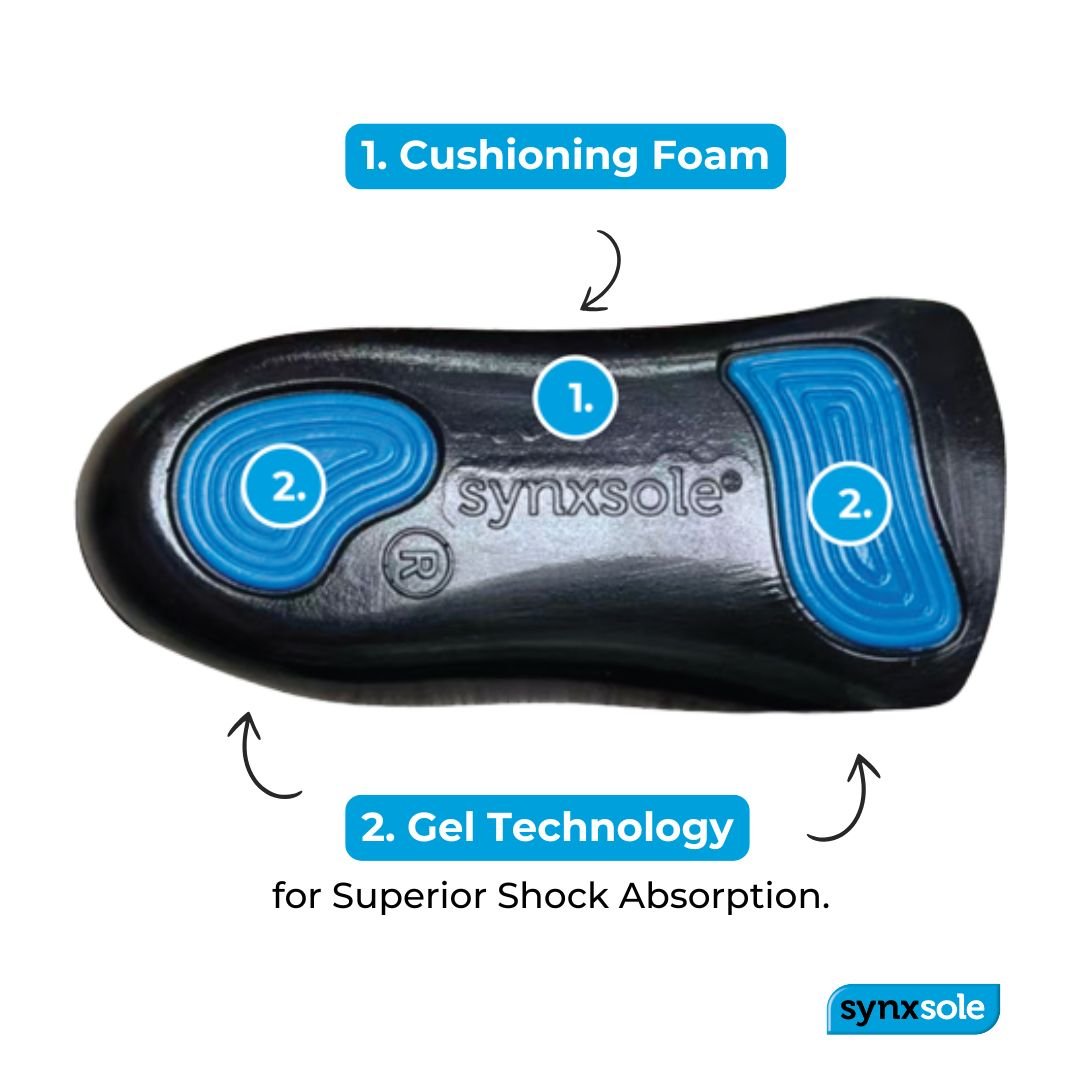
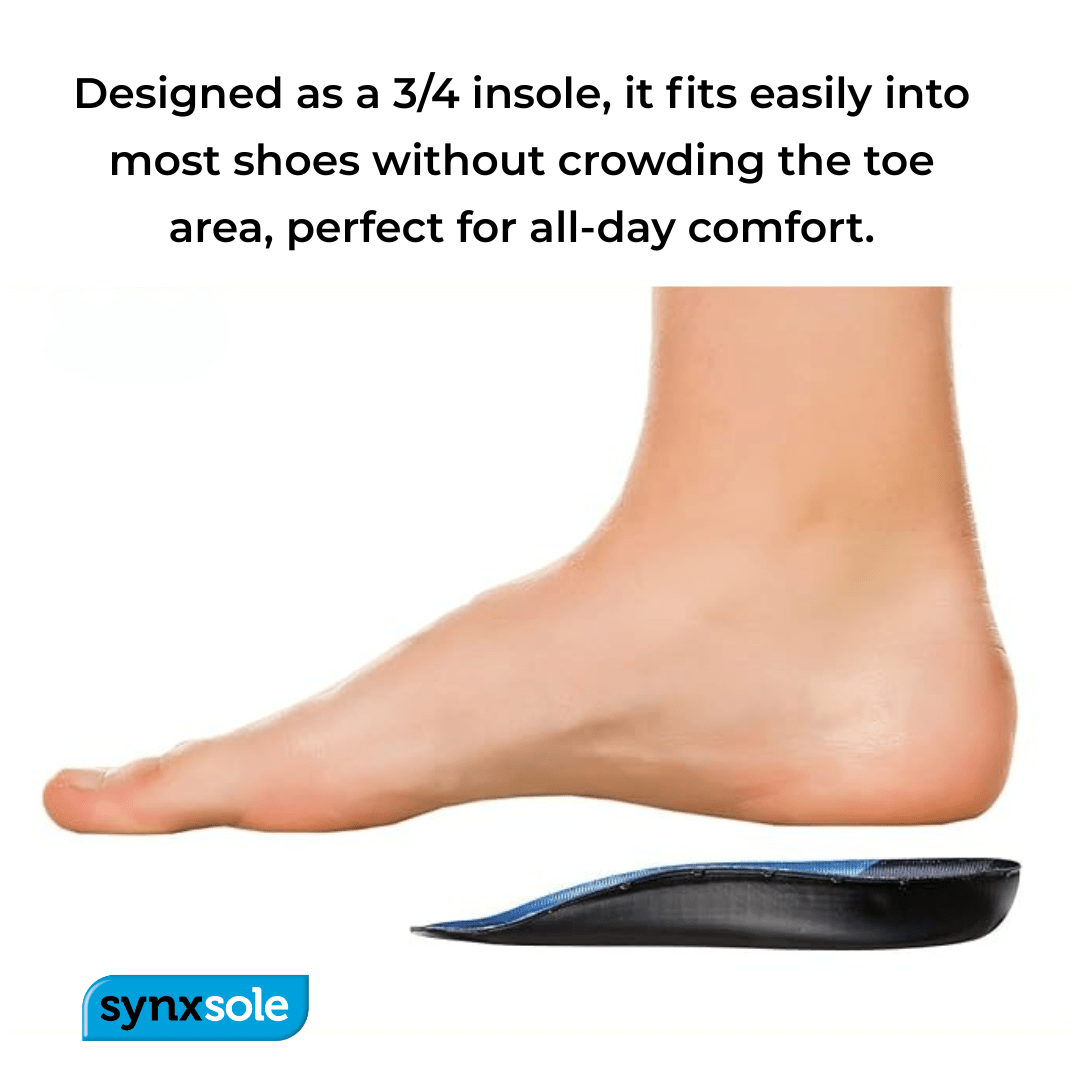
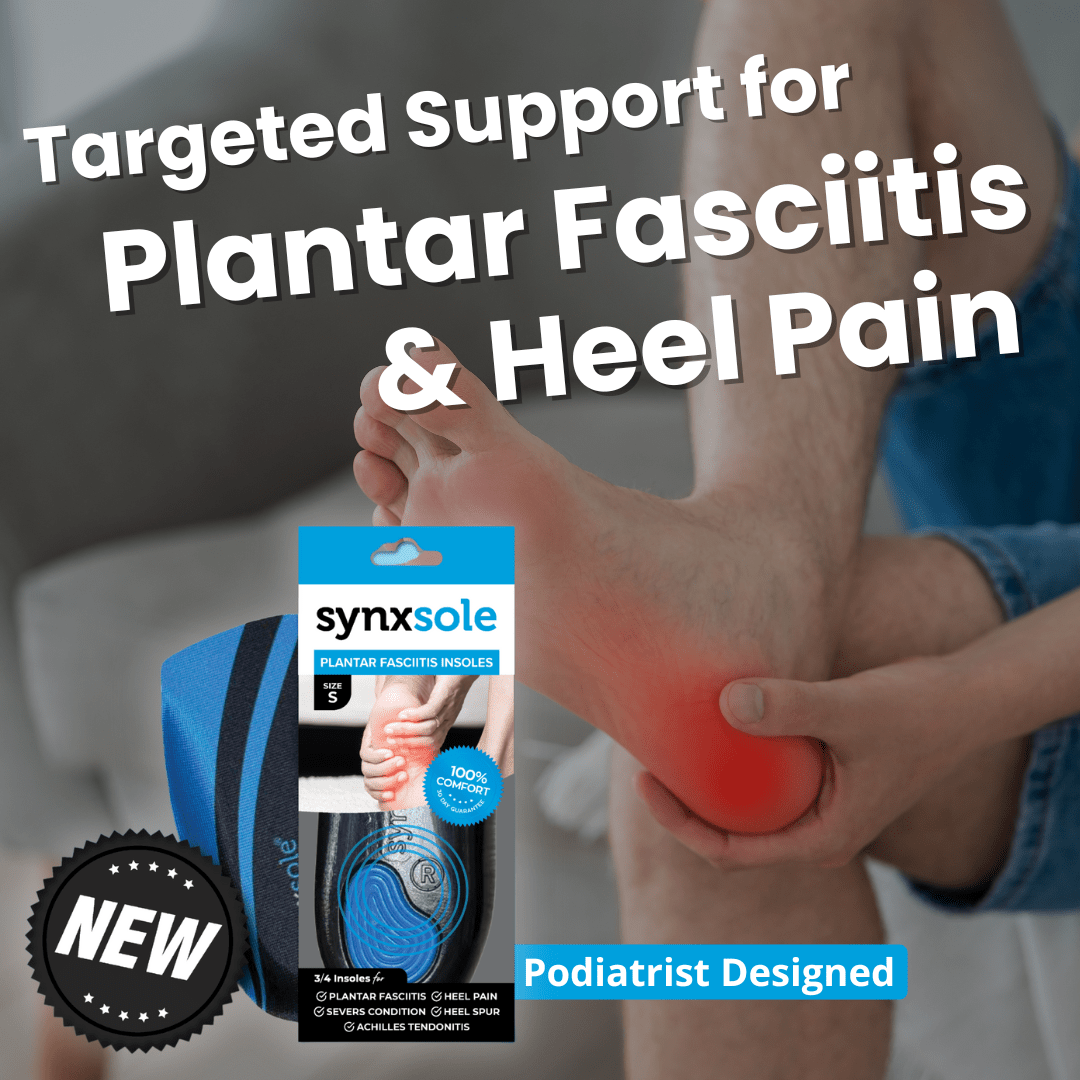
The Synxsole Plantar Fasciitis Insoles are designed specifically around the biomechanics of plantar fasciitis providing targeted arch support and biomechanical correction that reduces the tensile strain on the plantar fascia with every step. For people who need the same podiatrist-developed support across the widest range of footwear including fashion shoes, work shoes and sports footwear, the Synxsole AlignPro Insoles deliver the same patented arch support in a slimmer profile. Both address the overpronation and arch collapse that is the primary biomechanical driver of plantar fasciitis and both should be worn consistently in all footwear throughout the day for the most effective management.

Do compression sleeves help plantar fasciitis?

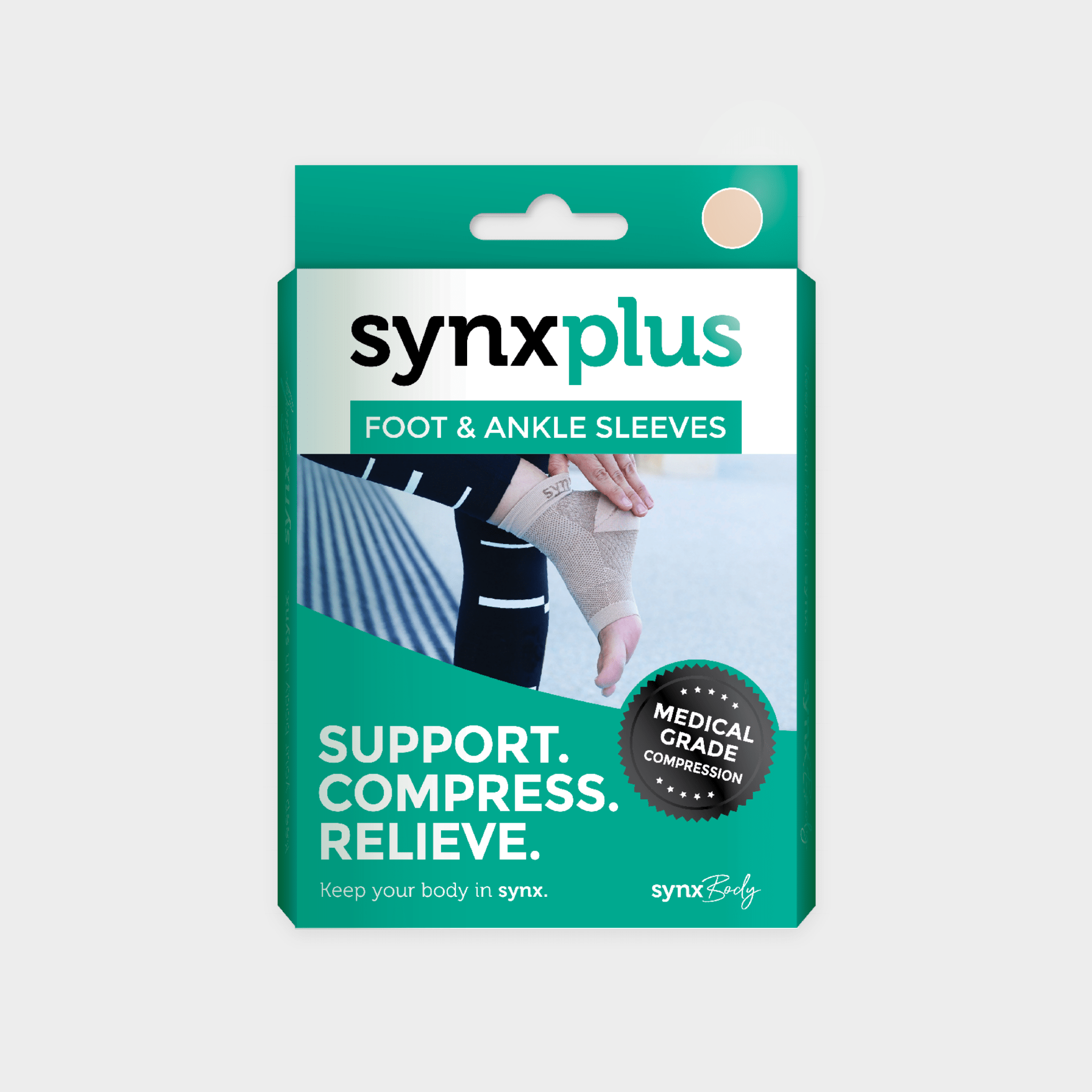
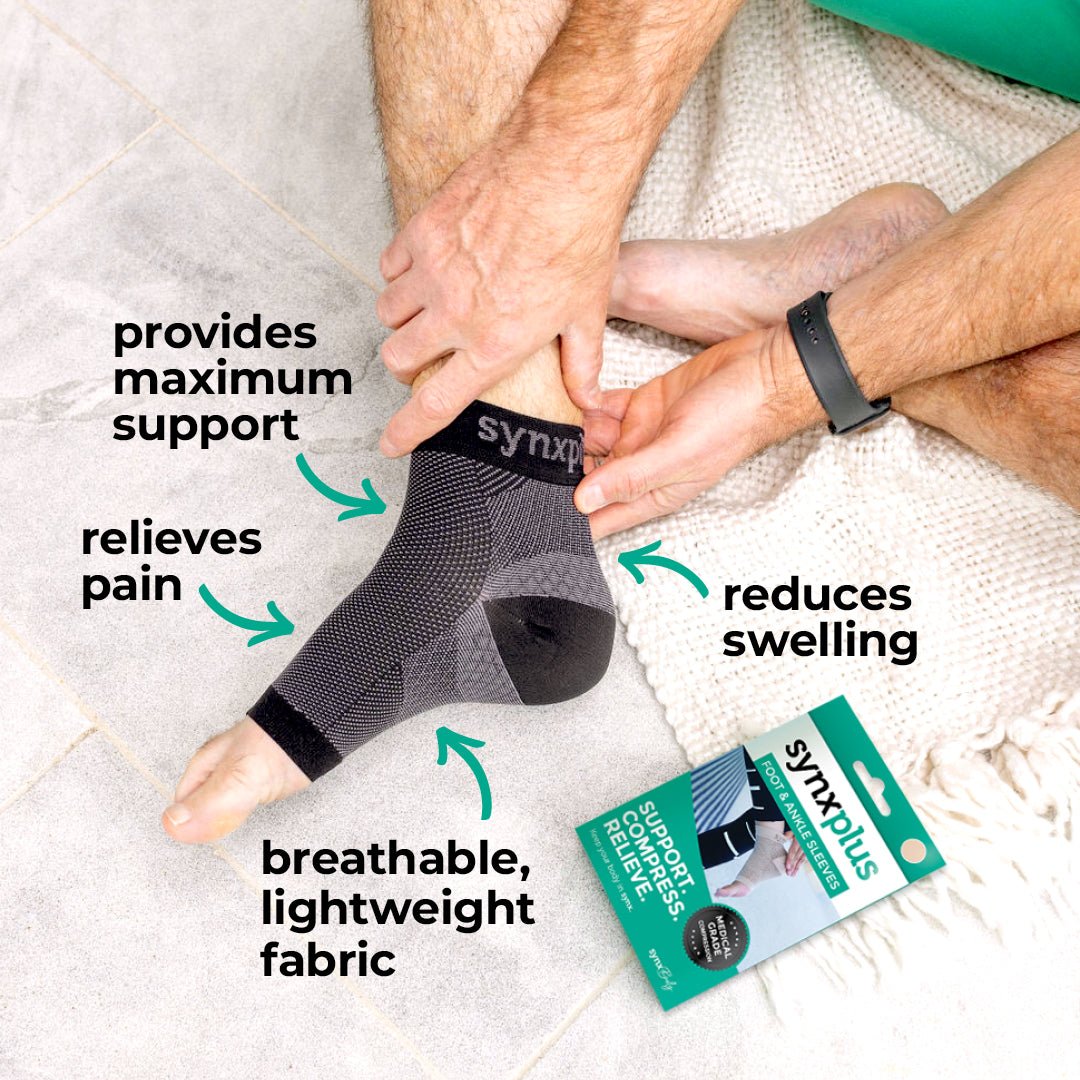
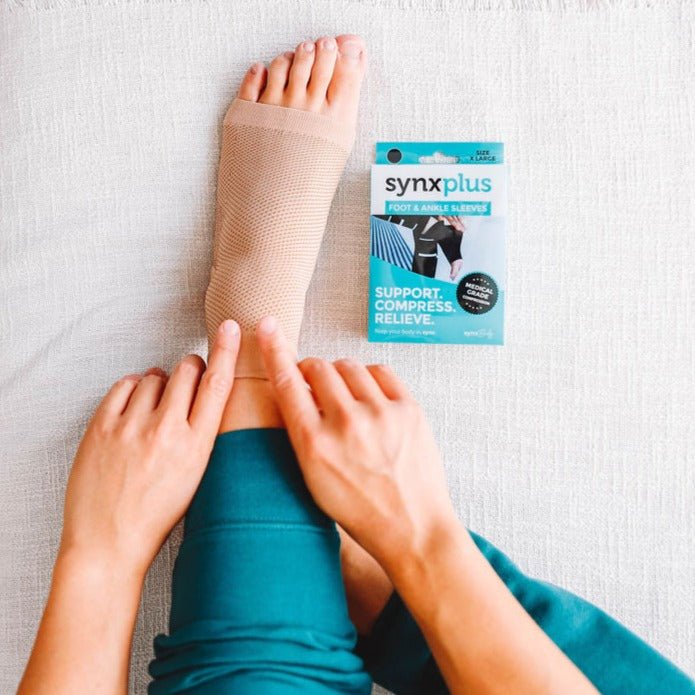
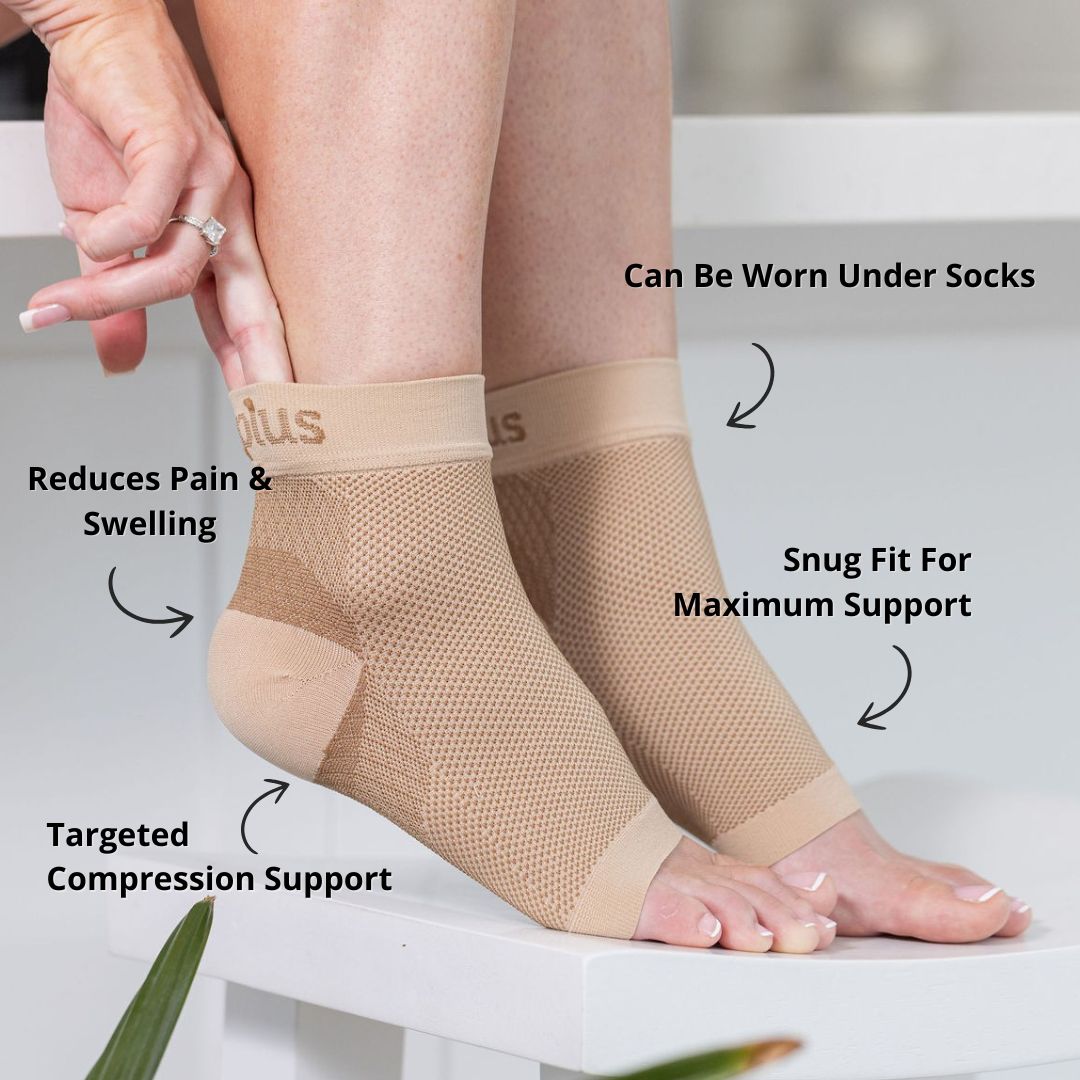
Yes the SynxPlus Foot & Ankle Compression Sleeves are one of the most clinically effective conservative interventions for plantar fasciitis management. ARTG-approved Class 2 Medical Compression (23–32 mmHg) reduces the inflammation around the plantar fascia, improves circulation to the healing tissue and provides the arch and ankle support that reduces strain during activity. Overnight wear is particularly valuable for plantar fasciitis continuous compression during sleep manages the overnight inflammation that causes the sharp morning heel pain that makes the first steps of the day so difficult. Most people notice a meaningful reduction in morning heel pain within the first week of consistent overnight compression use.

Is massage good for plantar fasciitis?

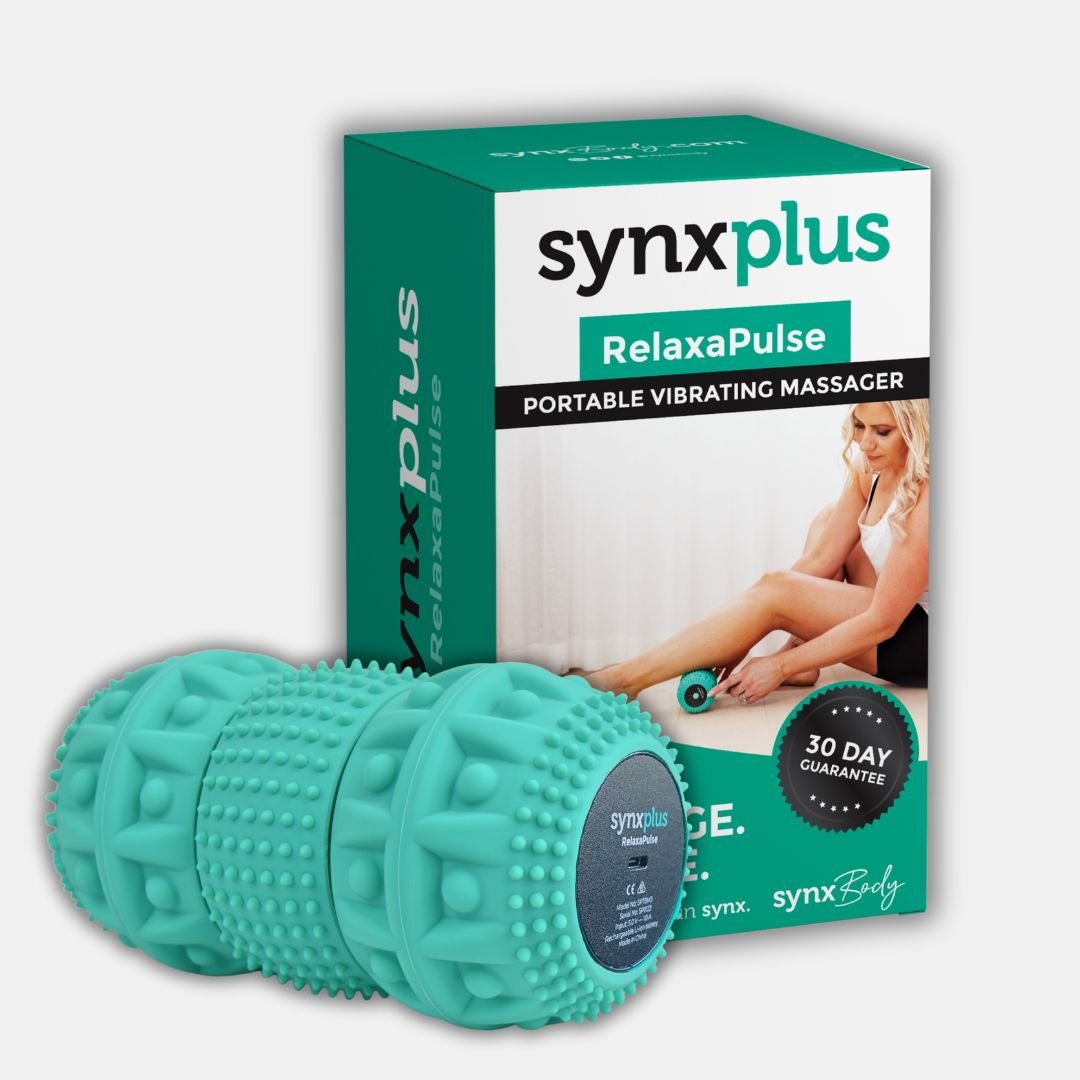
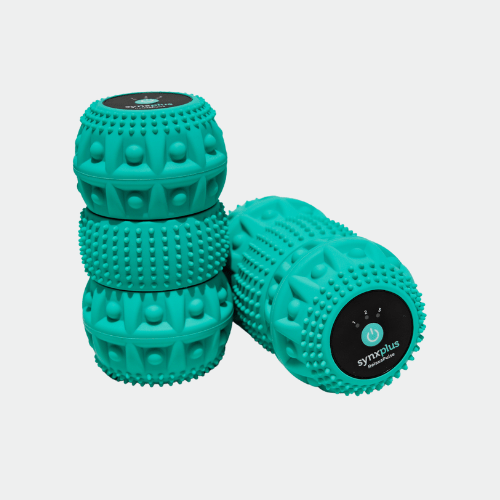
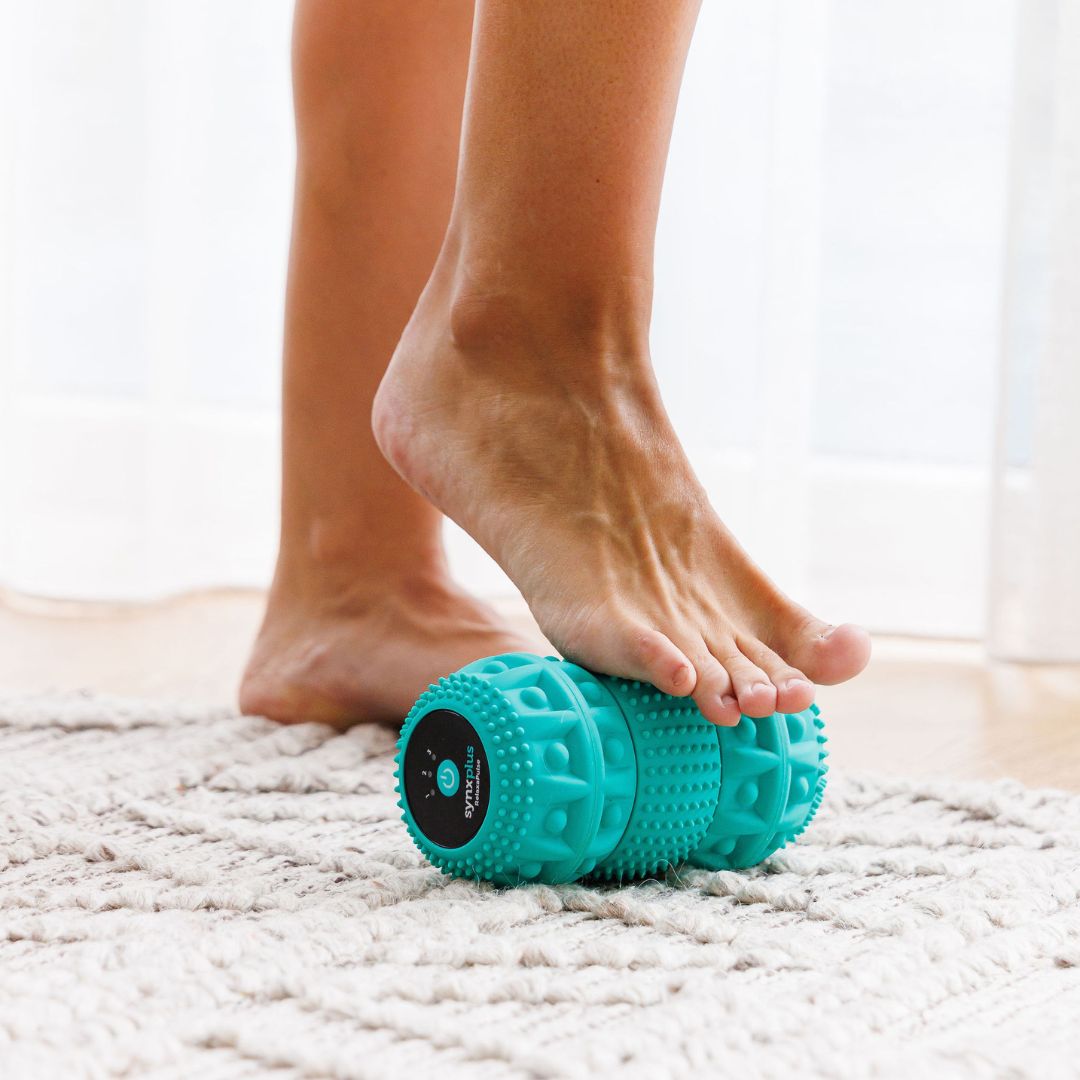
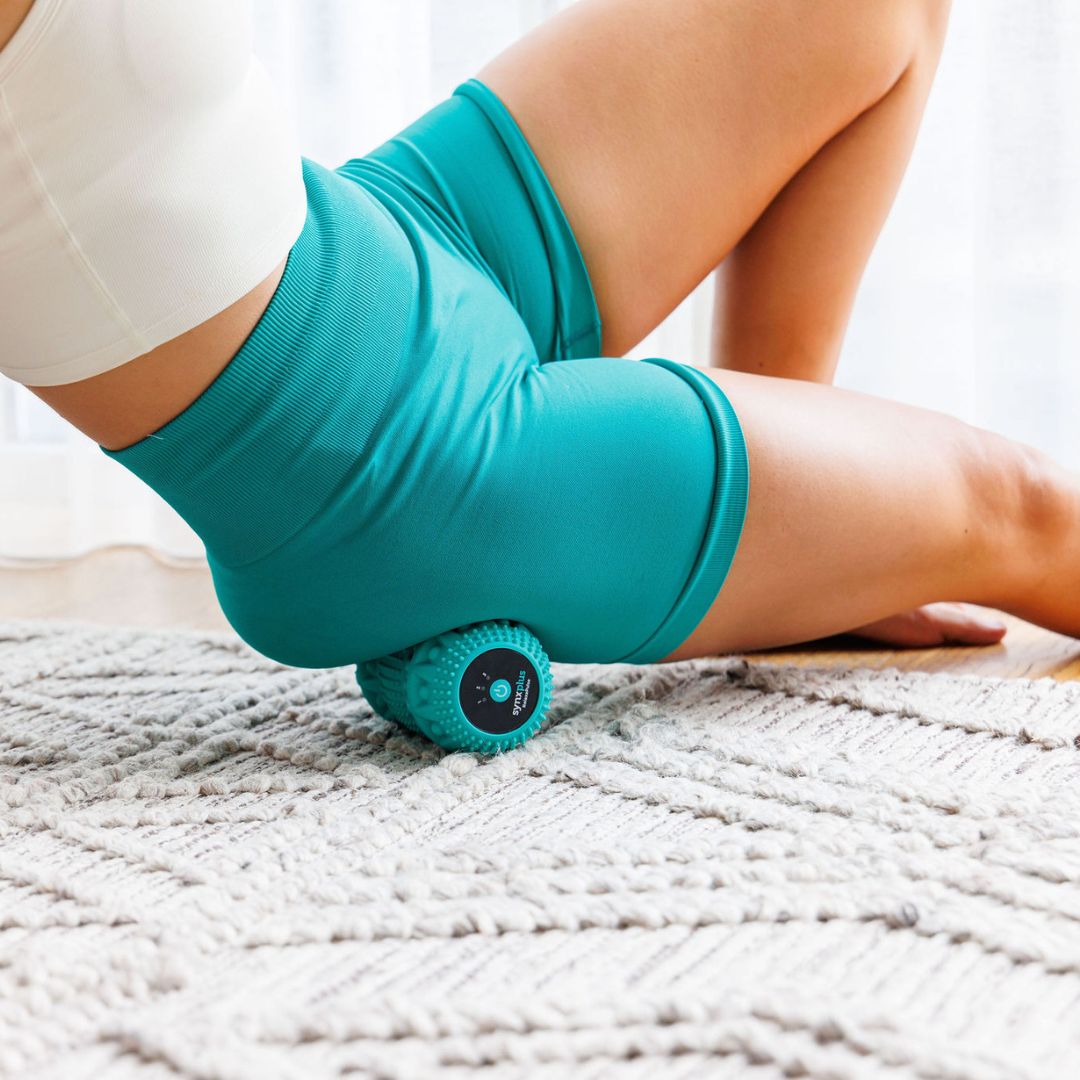
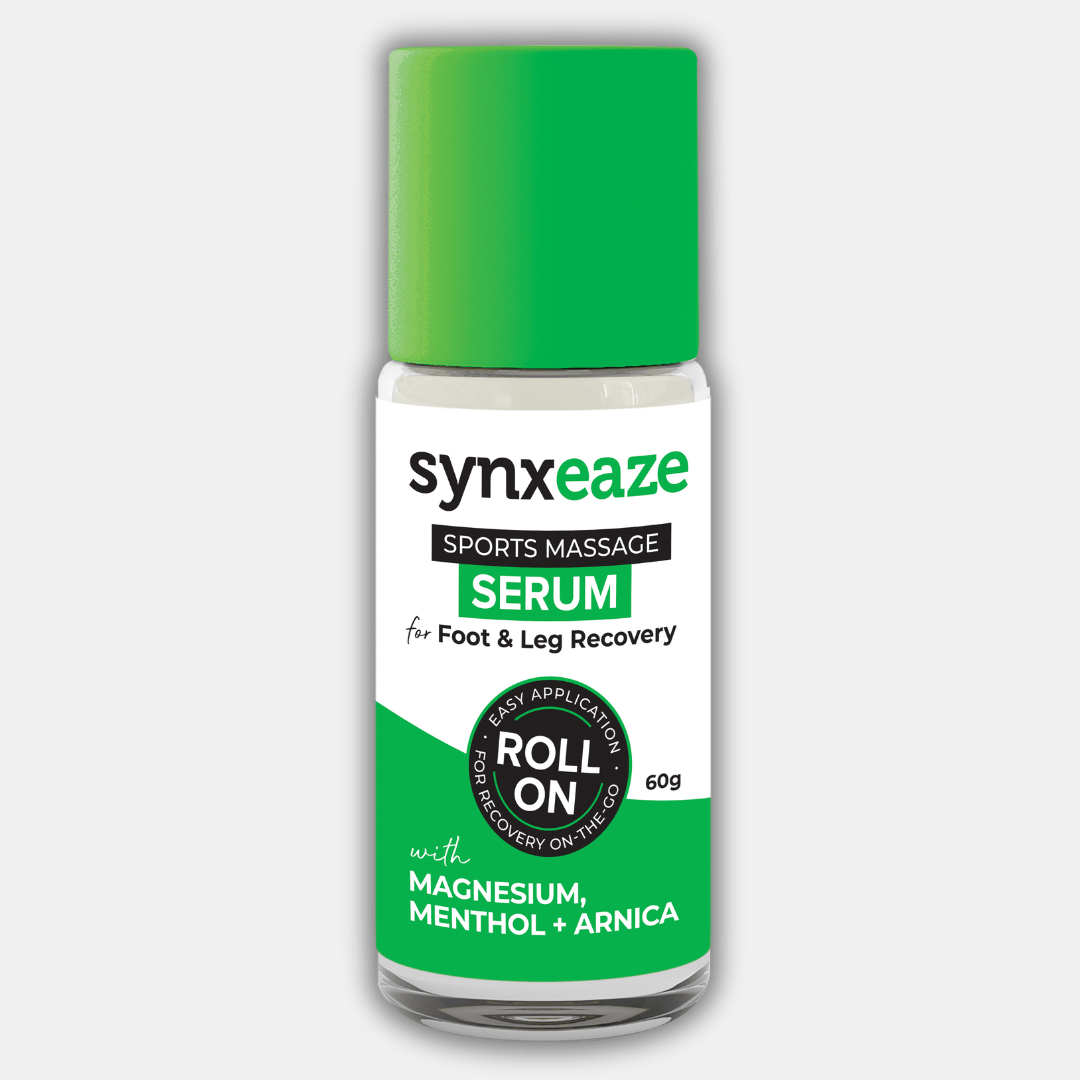
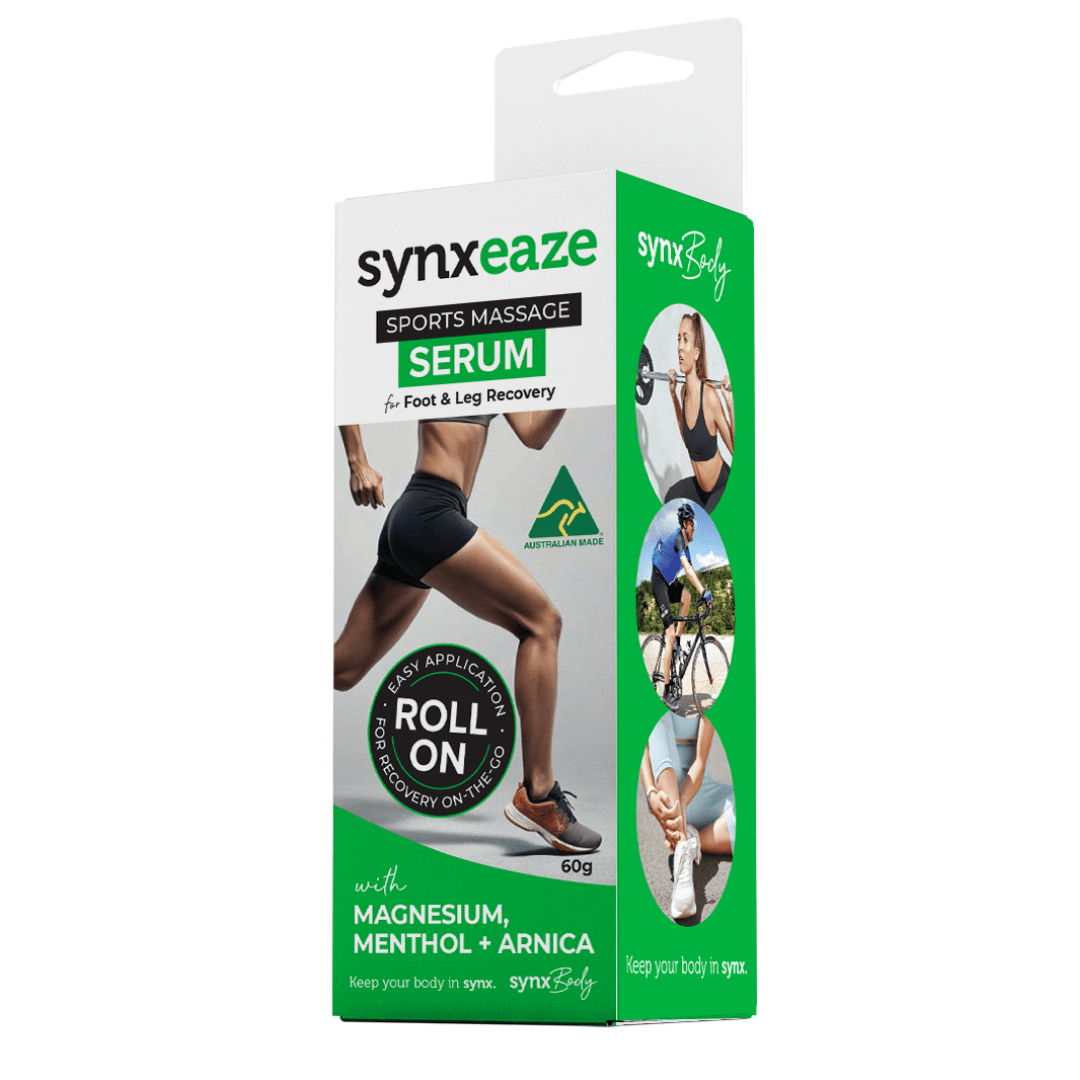
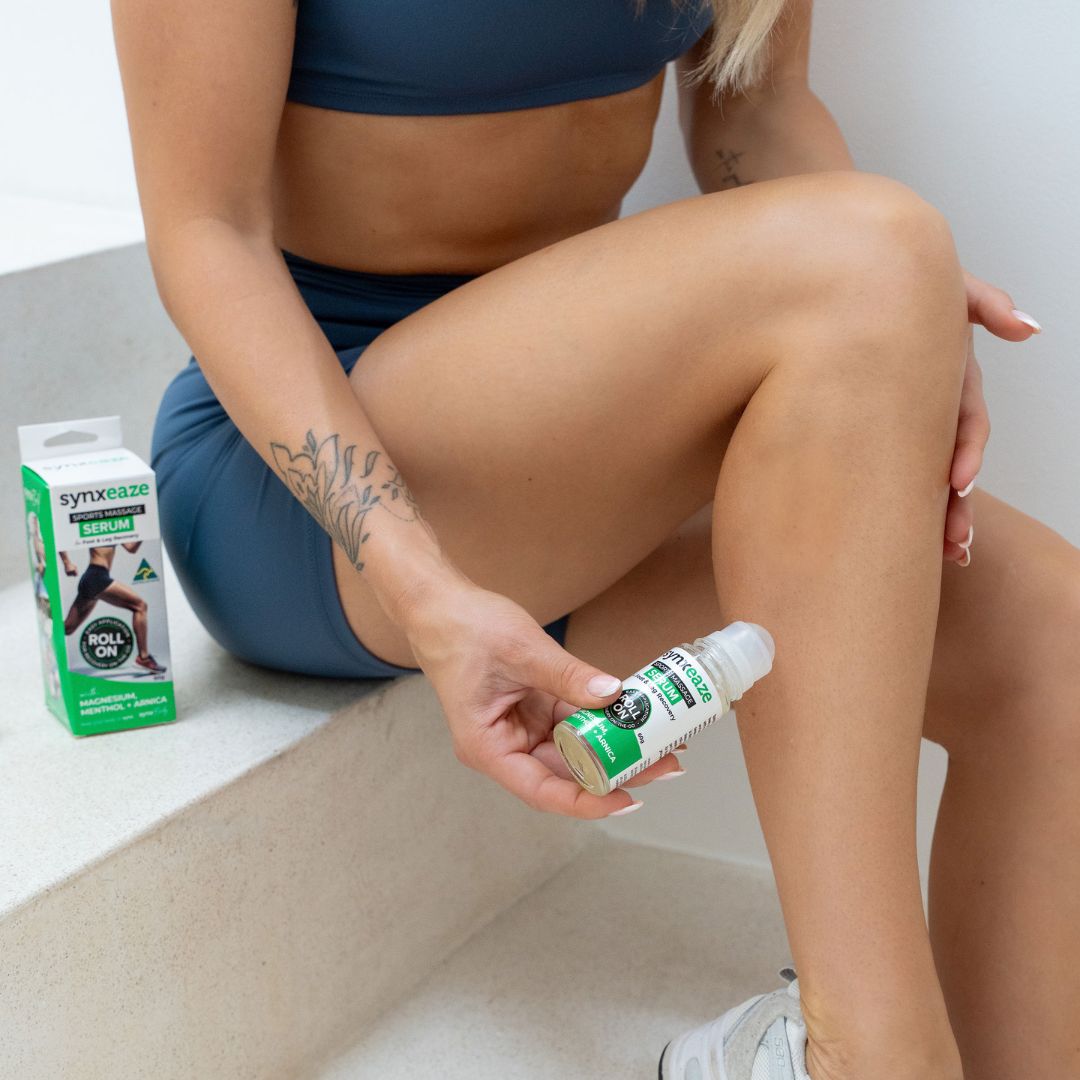
Yes and it's one of the most important but most commonly overlooked components of plantar fasciitis management. The calf muscles are the primary drivers of tensile load on the plantar fascia and tightness in these muscles significantly increases the strain the fascia experiences during activity. The RelaxaPulse Vibrating Massage Roller targets both the plantar fascia and the calf with 90 acupressure points and tri-directional rotation rolling under the foot along the arch and heel and up through the calf for fifteen to twenty minutes daily releases the tight posterior chain tissue that loads the fascia excessively. Follow immediately with the Synxeaze Sports Massage Magnesium Roll-On the 32% magnesium chloride, menthol and arnica deliver anti-inflammatory relief directly to the inflamed plantar fascia and calf tissue into already-stimulated, circulation-rich tissue for the most powerful combined recovery result.

Can I continue exercising with plantar fasciitis?

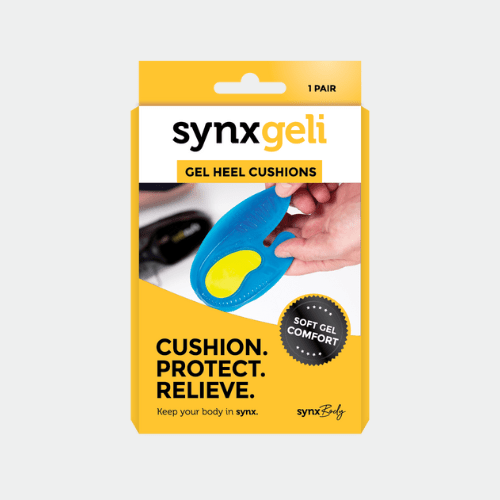
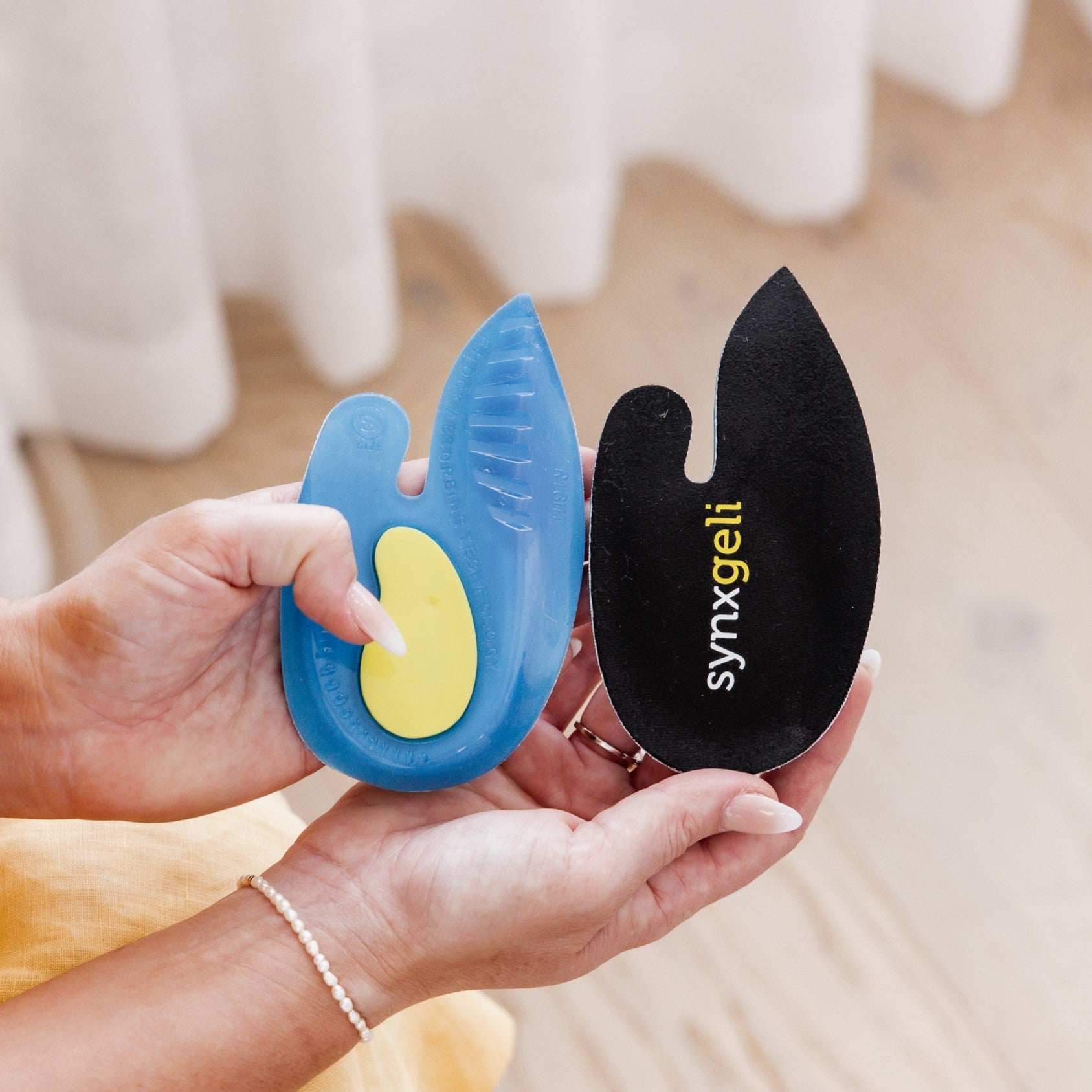
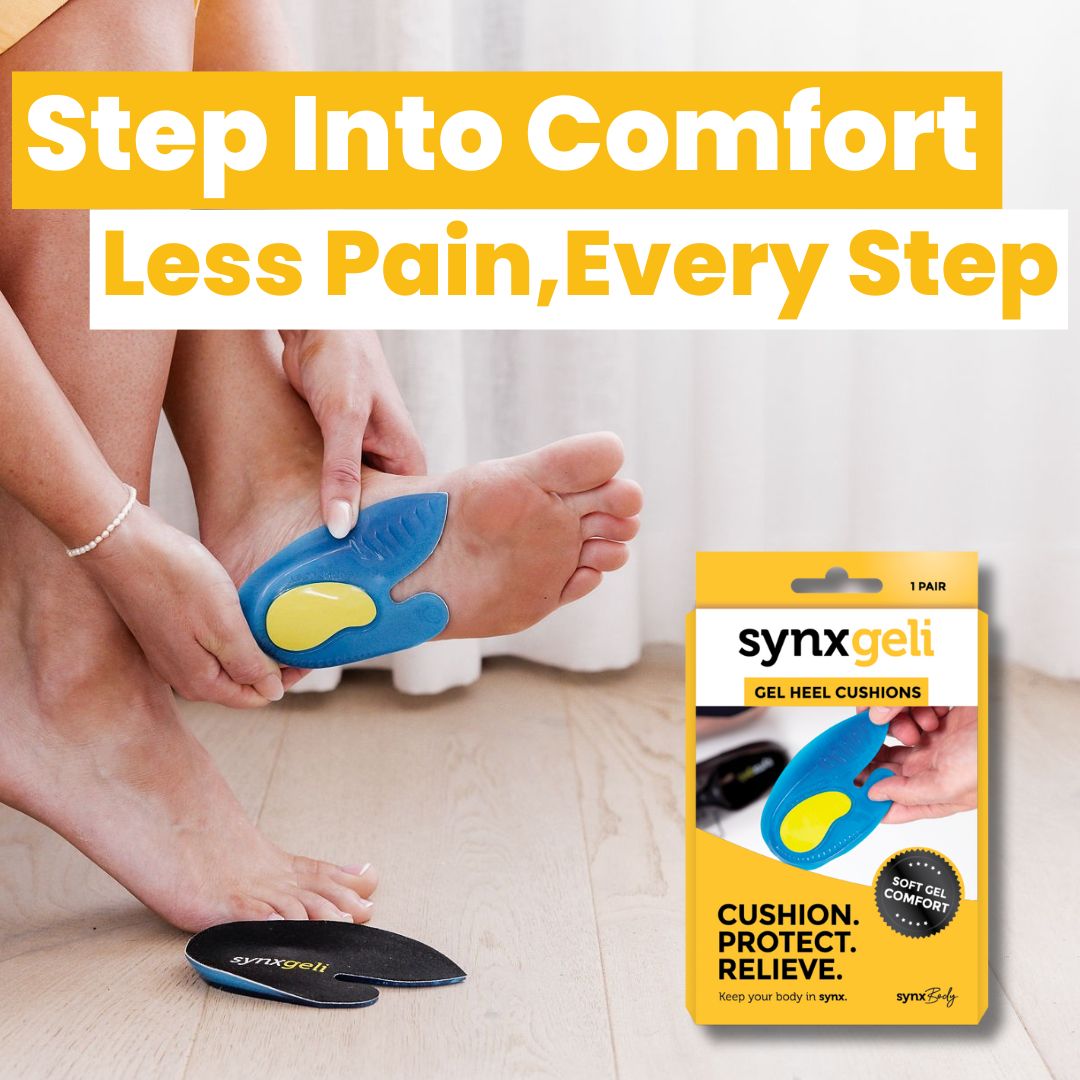
In most cases complete rest is not necessary or beneficial for plantar fasciitis appropriate load management is an important component of fascia recovery. The key is reducing activities that most aggressively load the plantar fascia high-impact running, jumping and prolonged barefoot walking on hard surfaces while maintaining lower-impact movement that keeps the foot mobile and circulation flowing. Wearing the Synxsole Plantar Fasciitis Insoles and Foot & Ankle Compression Sleeves during any continued activity provides the biomechanical support and compression management that reduces the load on the fascia during exercise. The Gel Heel Cushions absorb the heel strike impact that activity places on already-inflamed tissue. A podiatrist can advise on appropriate activity modification and a progressive return-to-sport plan for your specific presentation.

How long does plantar fasciitis take to heal?

Plantar fasciitis healing time varies significantly depending on severity, how long the condition has been present and how consistently the contributing factors are managed. Acute plantar fasciitis managed early with the Synxsole Plantar Fasciitis Insoles, Gel Heel Cushions and Foot & Ankle Compression Sleeves typically shows meaningful improvement within four to six weeks of consistent daily use. Chronic plantar fasciitis that has been present for months or years takes longer and for persistent presentations, adding the RelaxaPulse Vibrating Massage Roller and Synxeaze Magnesium Roll-On to the routine significantly accelerates soft tissue recovery. The most common reason plantar fasciitis persists is inconsistent management using products only on bad days rather than every day in all footwear.