FAQs

Why is foot care so important for people with diabetes?

Diabetes affects the feet through two primary mechanisms peripheral neuropathy and poor circulation. Peripheral neuropathy reduces or eliminates the sensation in the feet that would normally signal pain, pressure and skin damage meaning problems can develop and worsen significantly before they're noticed. Poor circulation slows the healing of any wound that does occur meaning minor skin problems that would heal quickly in someone without diabetes can become serious complications in someone with it. This combination makes professional podiatric supervision of all foot care essential for people with diabetes and makes regular foot assessment the single most important preventative measure.

Is it safe for people with diabetes to cut their own toenails?

This depends on the individual and should always be assessed by a podiatrist. People with diabetes who have good sensation, good circulation and no significant nail deformity may be suitable for self-managed nail care using the Synxpedi Toenail Clippers under podiatric guidance. People with reduced sensation, poor circulation, thickened or deformed nails or any history of foot wounds or infections should always have their nails cut by a podiatrist rather than attempting home management. When in doubt always see a podiatrist for nail care. The risk of a minor cut or nick causing a serious wound is too significant to manage without professional assessment.

Can people with diabetes wear compression sleeves overnight?

Yes, the SynxPlus Foot & Ankle Compression Sleeves are designed for both daytime and overnight wear, and overnight compression can be particularly beneficial for people with diabetes by providing continuous circulation support and swelling management through the night. However as with all compression products for people with diabetes, always consult your podiatrist or doctor before wearing compression overnight particularly if you have known arterial or venous disease, reduced sensation or existing circulation concerns. Your podiatrist can confirm whether overnight compression is appropriate for your specific situation, advise on the correct compression level and wear protocol and monitor the skin and circulation response to ensure the compression is delivering the intended benefit safely. Never wear compression that feels uncomfortably tight, causes numbness or changes skin colour remove immediately and seek professional advice if this occurs.

Can massage help with diabetic foot circulation?

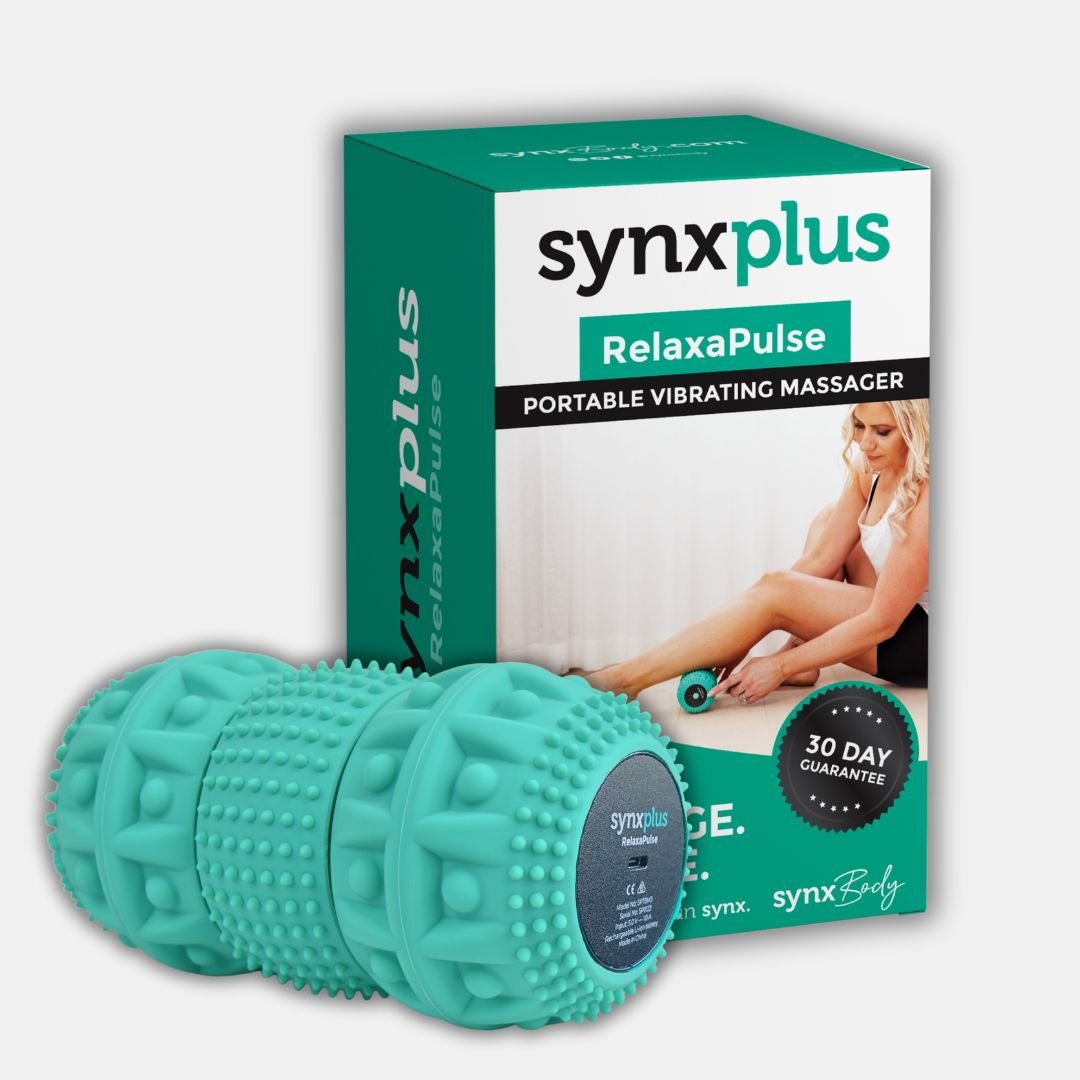
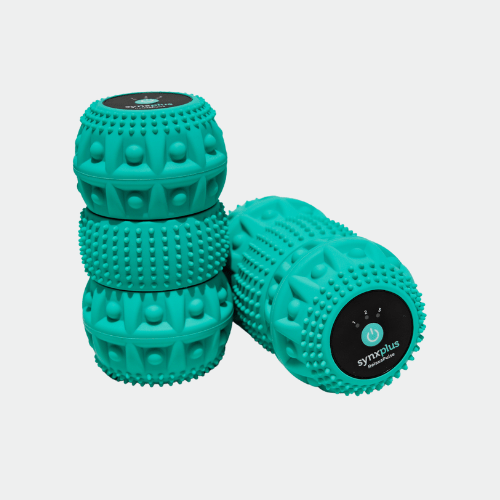
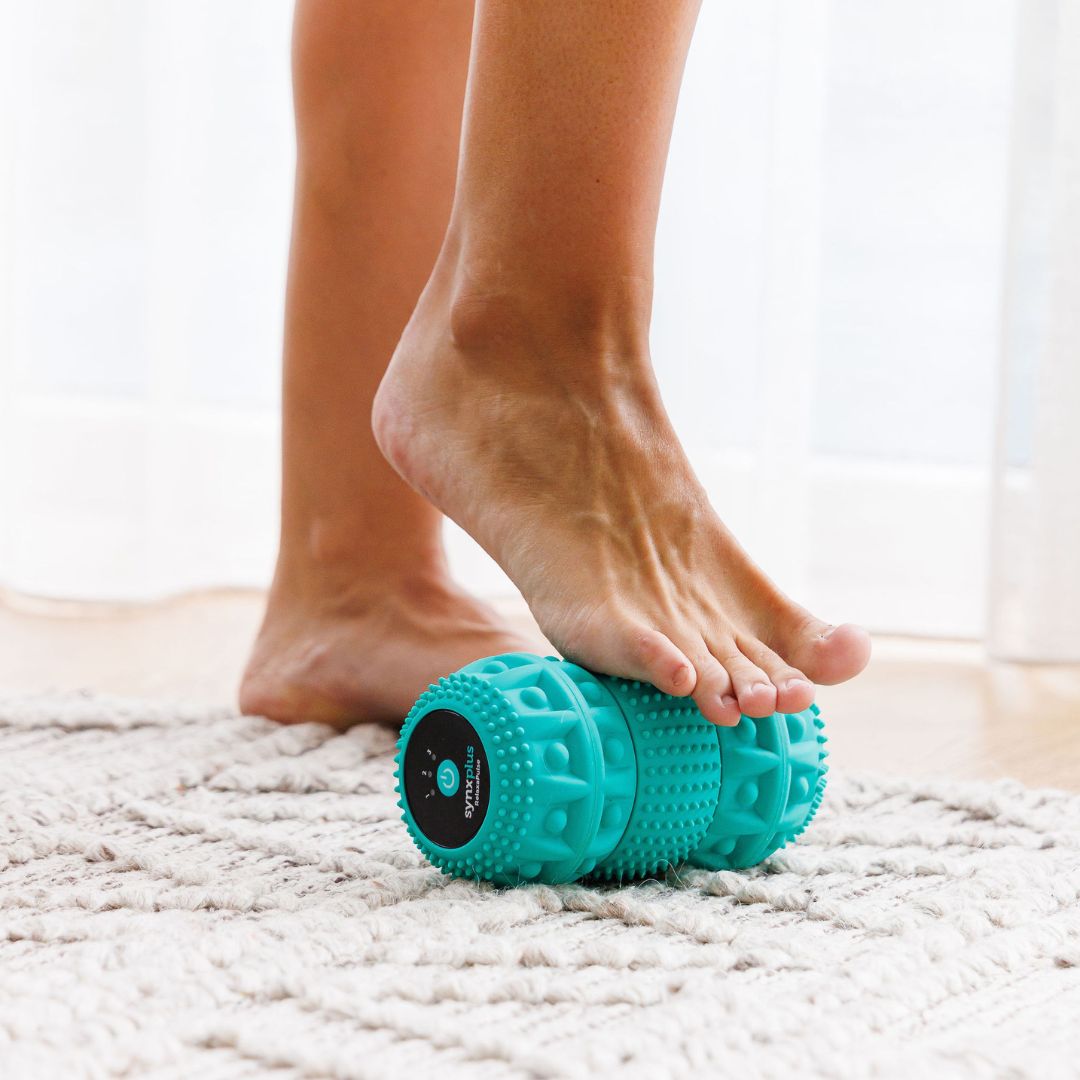
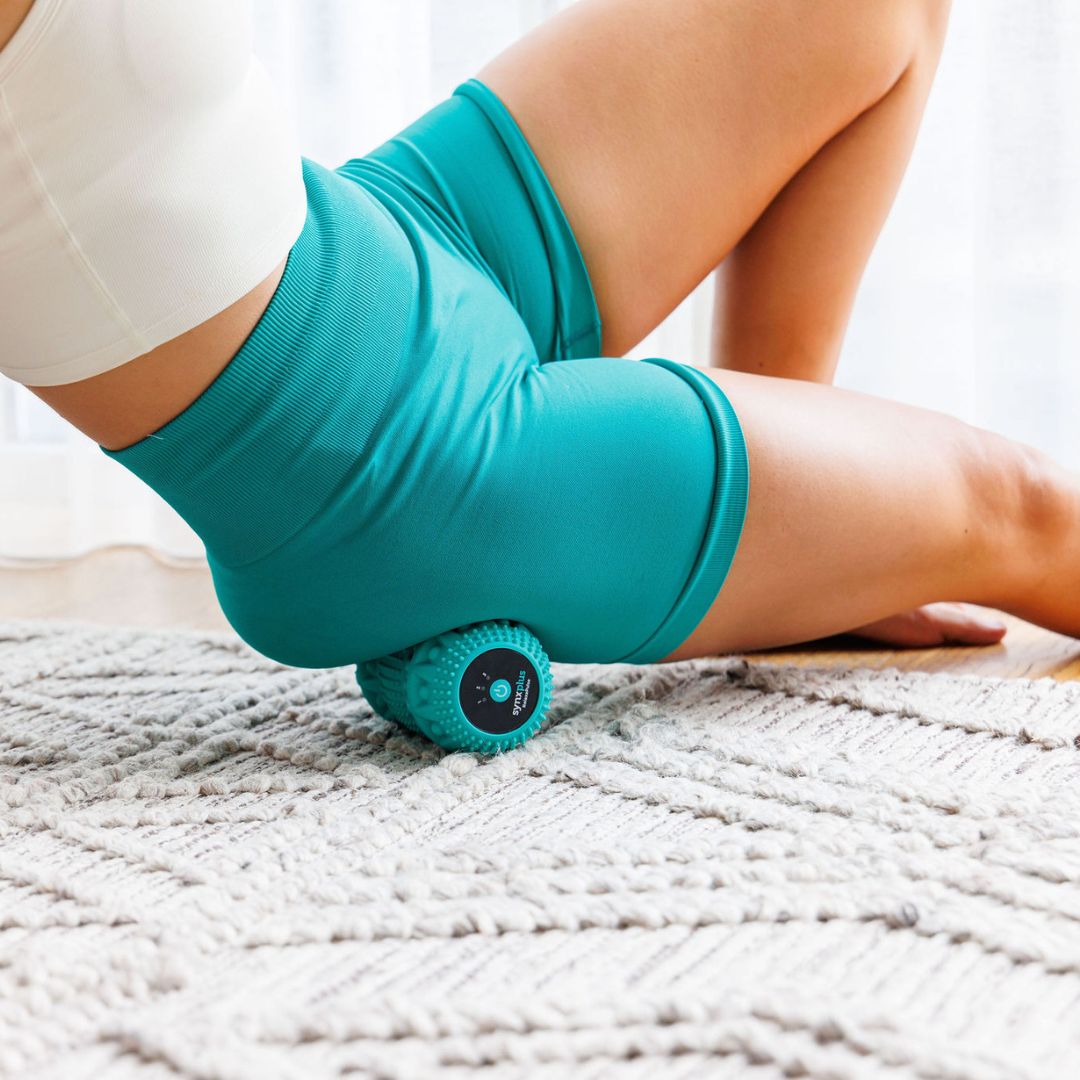
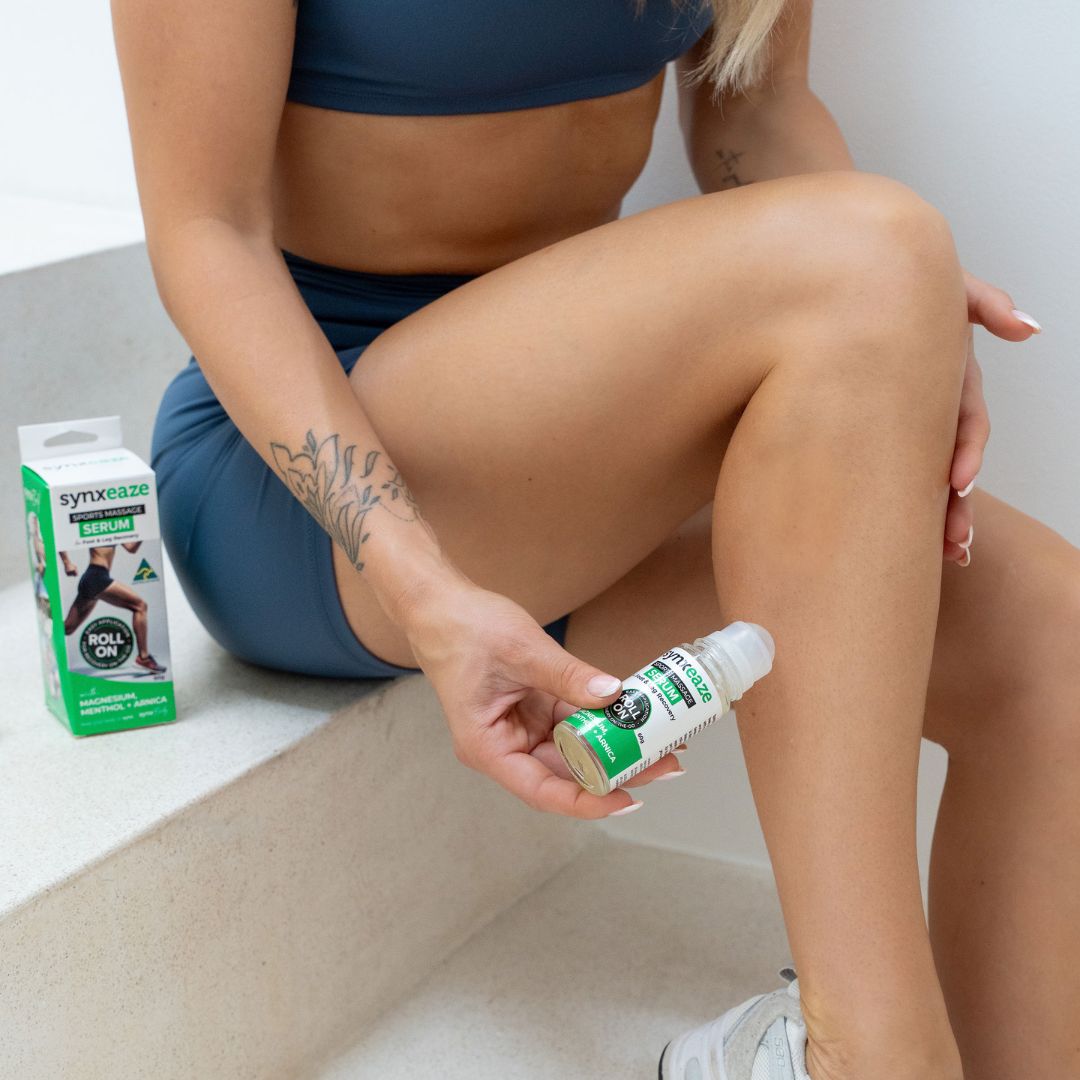
Gentle massage of the calves and lower legs can support circulation in people with diabetes but should only be undertaken with podiatric or medical approval. The RelaxaPulse Vibrating Massage Roller used gently on the calves not directly on the feet if sensation is reduced can support lower limb circulation as part of a supervised home care routine. The Synxeaze Magnesium Roll-On applied to the calves provides plant-based magnesium and anti-inflammatory support. Always confirm with your podiatrist or doctor that massage and topical products are appropriate for your specific situation before use particularly if you have reduced sensation, known circulation concerns or any existing foot wounds.

What insoles are best for people with diabetes?

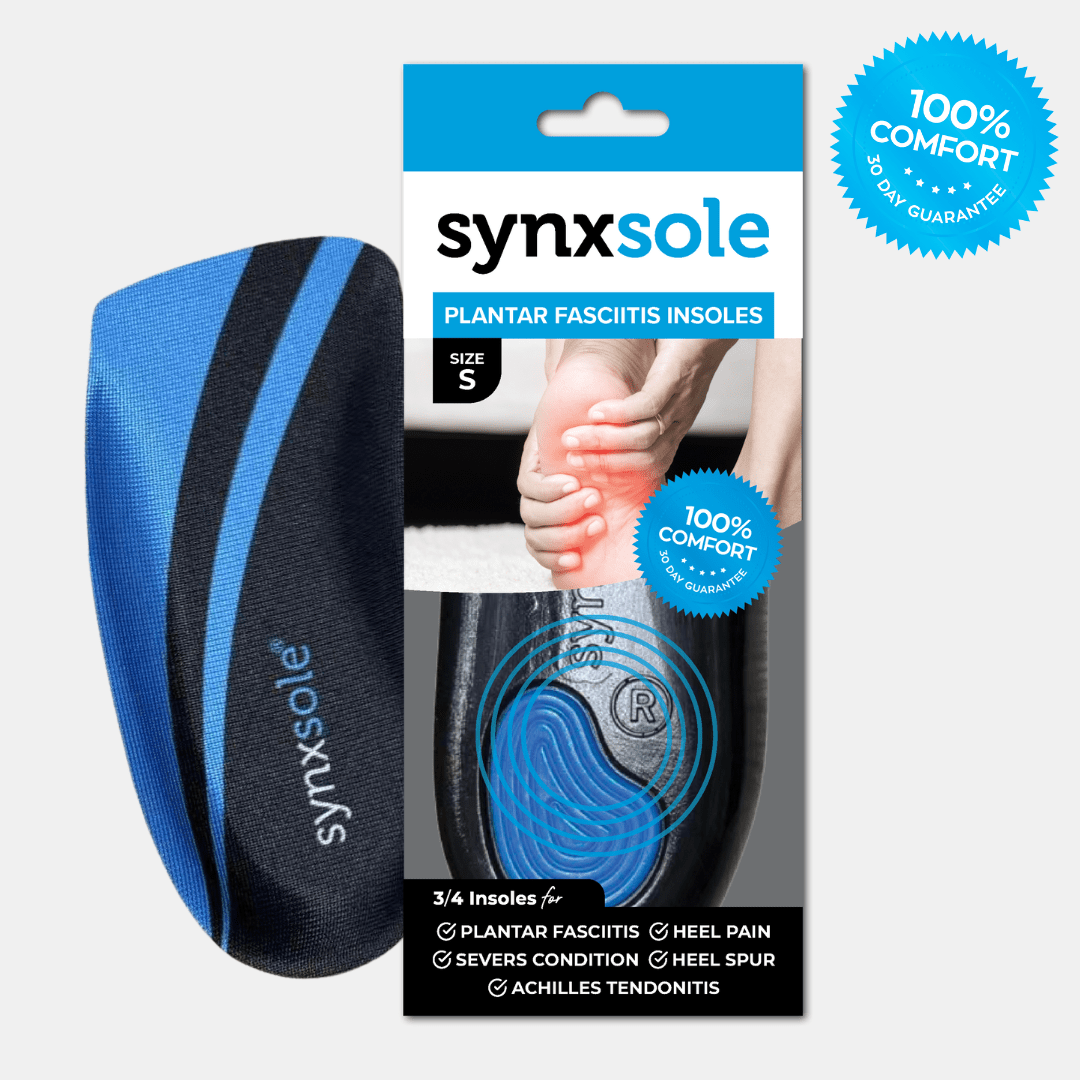
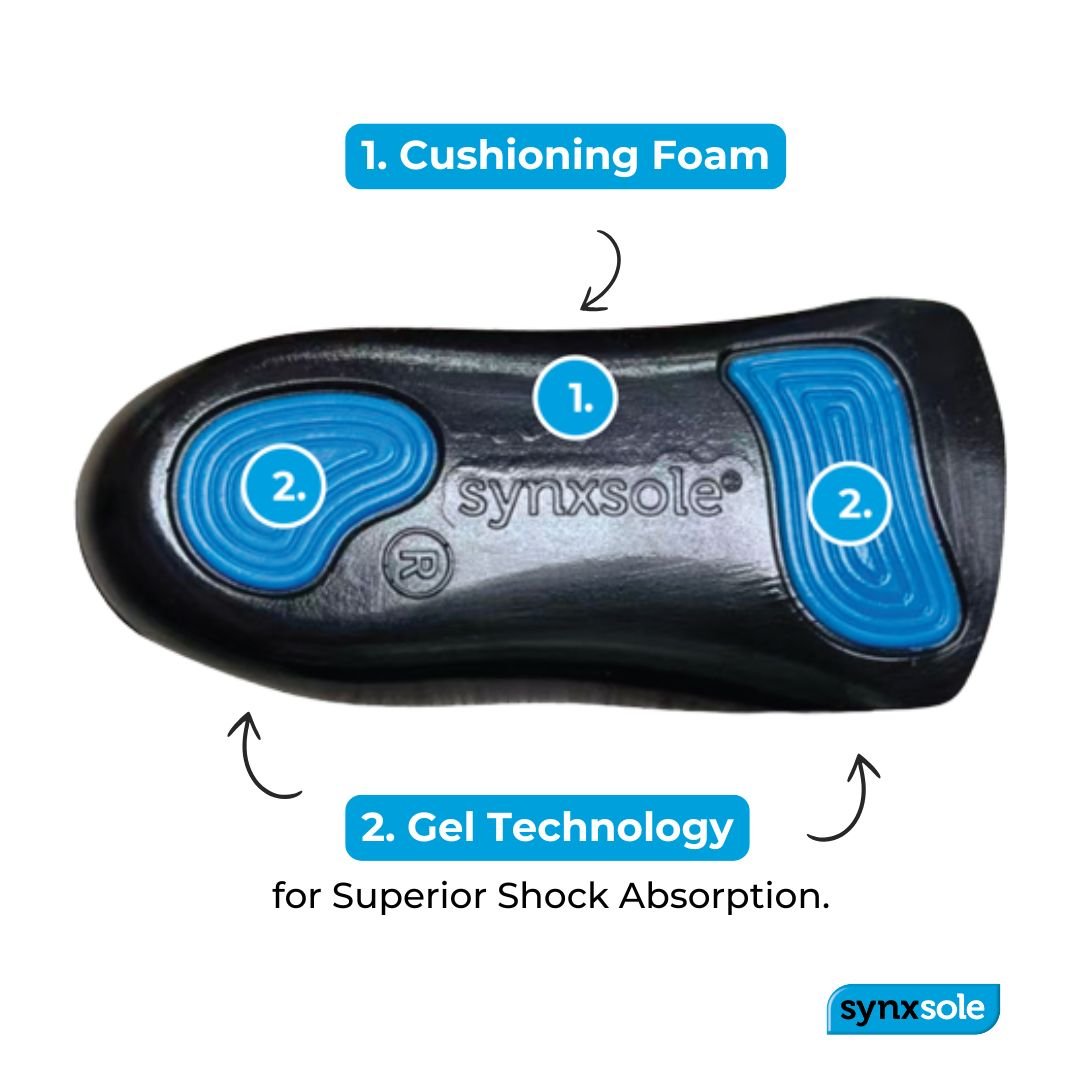
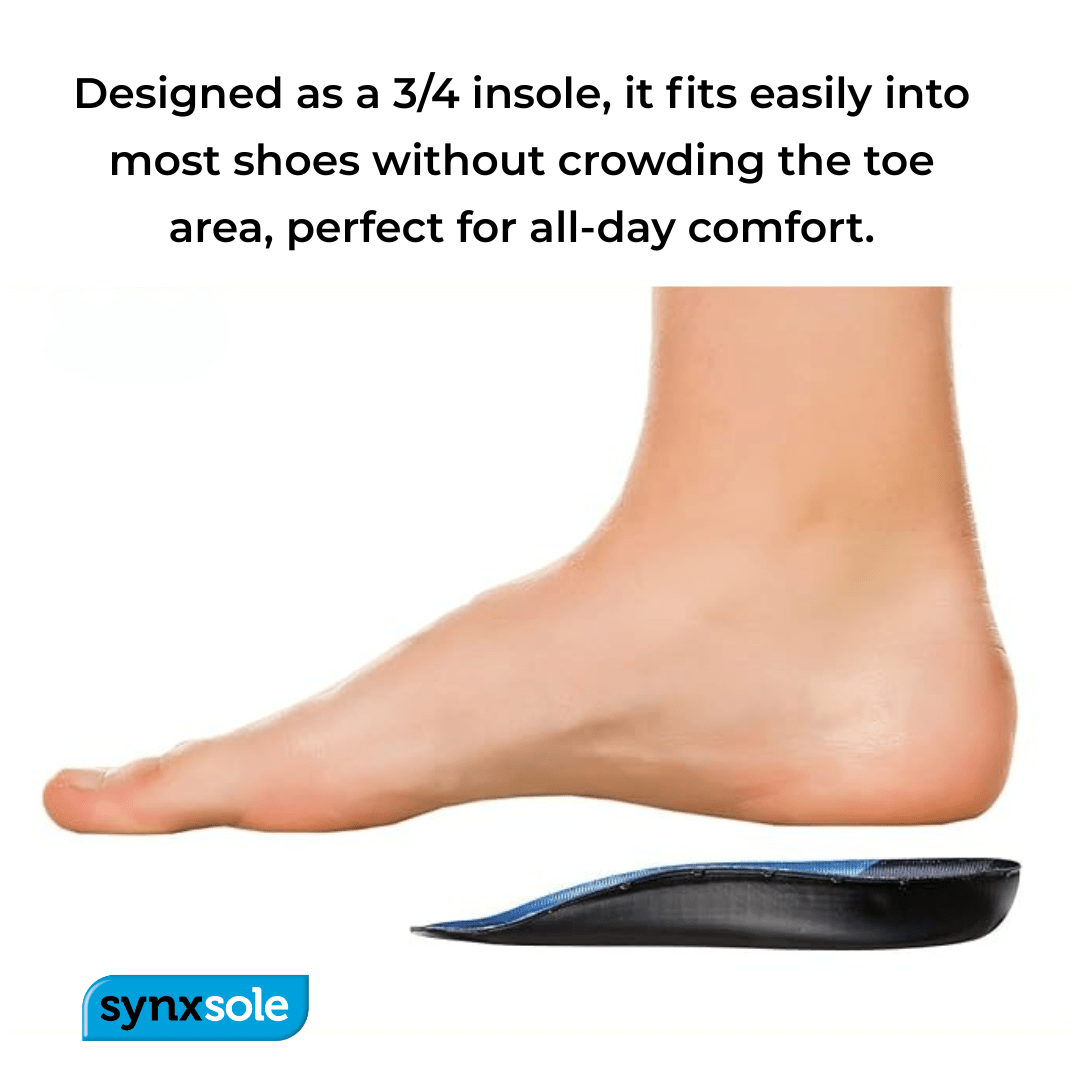
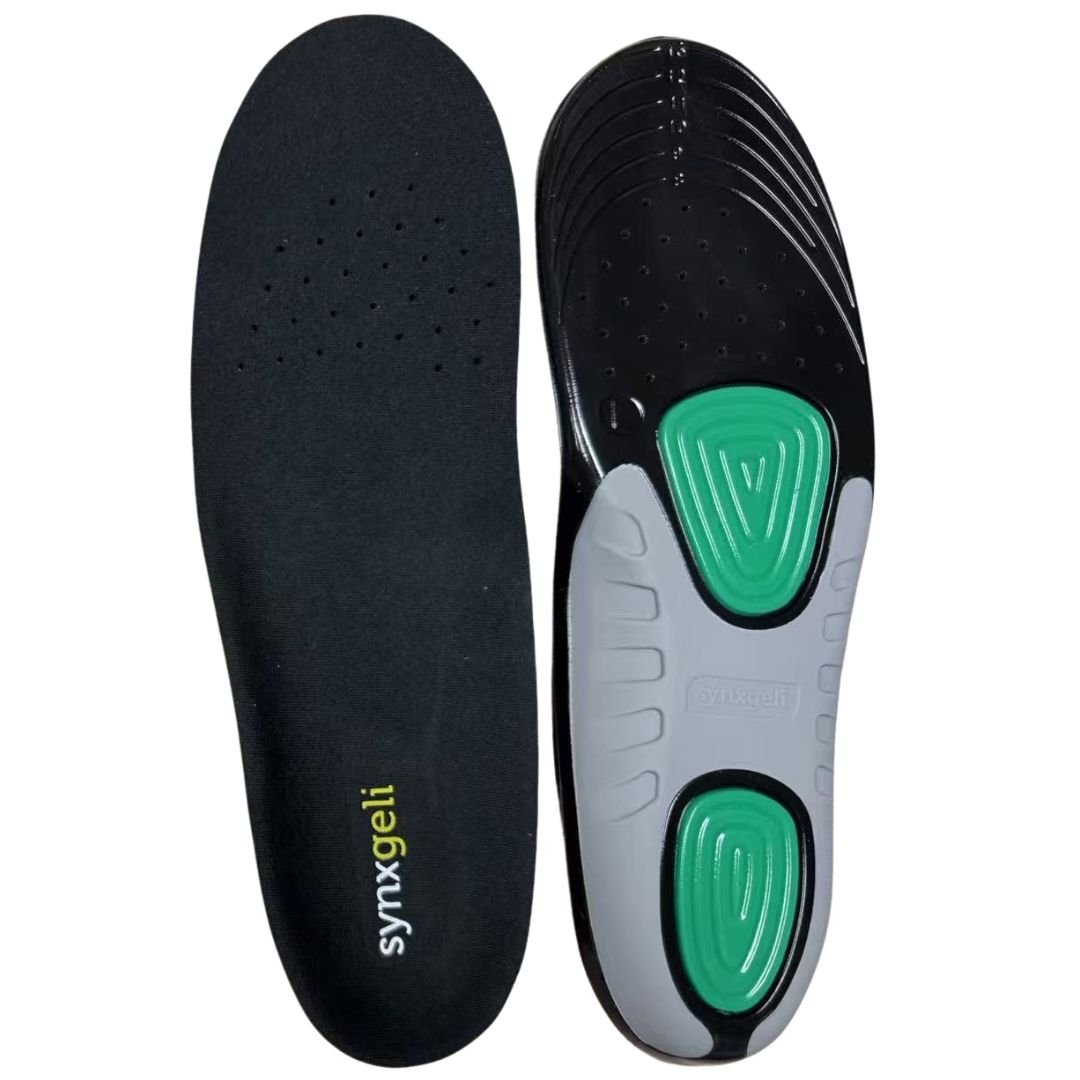
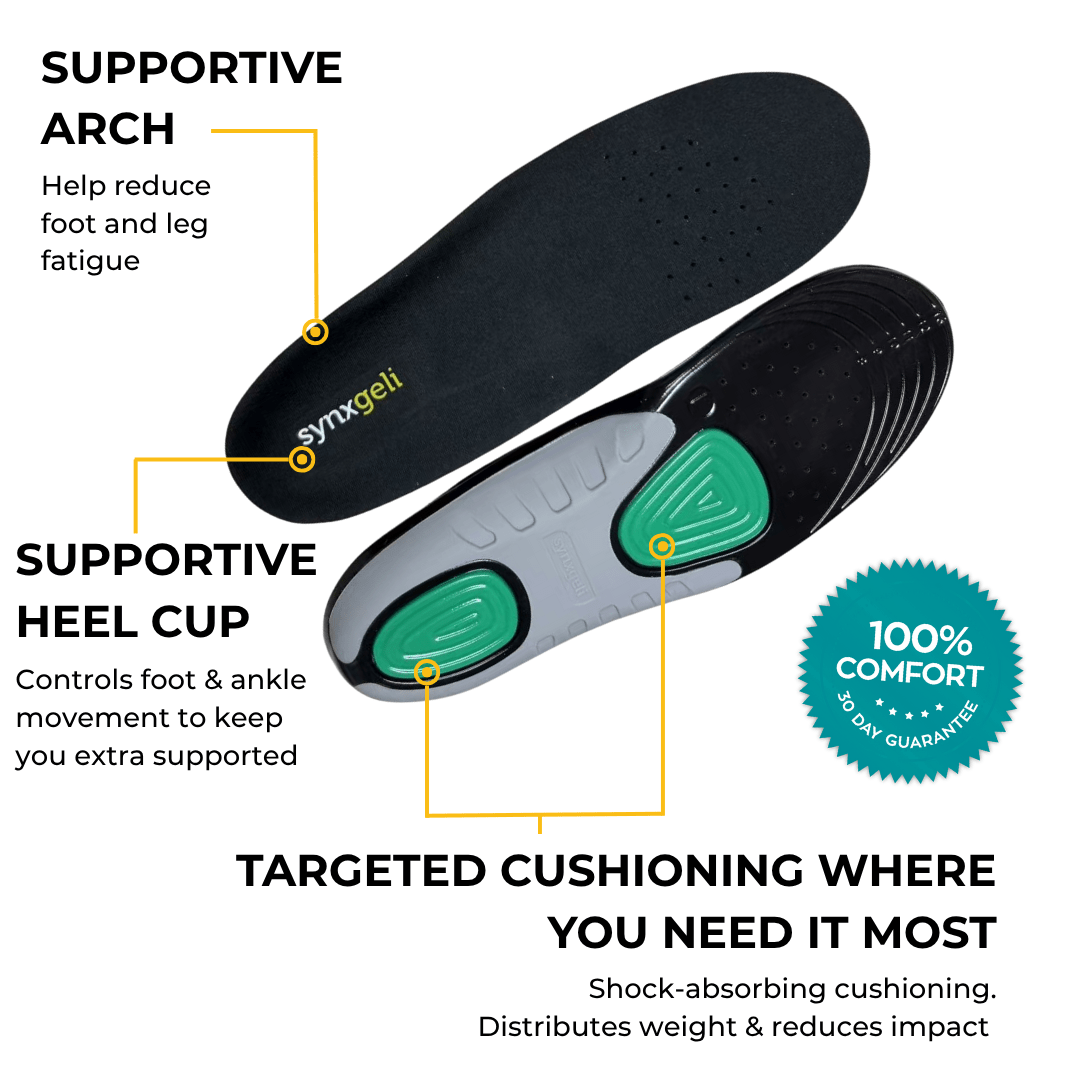
The best insole for a person with diabetes is one that has been assessed and recommended by their podiatrist for their specific foot type, pressure distribution and footwear. As a general guide, insoles that provide even pressure distribution, adequate cushioning and arch support without creating new pressure points are most appropriate the Synxsole AlignPro Insoles and Plantar Fasciitis Insoles are podiatrist developed with these principles in mind. For people with diabetes working in industrial environments, the Ultra Work Boot Insoles provide the cushioning and support needed for long shifts in heavy footwear. Always have insole choice and fit reviewed by a podiatrist before use.