Soothe and support your feet with our podiatrist-recommended solutions for ball of foot pain. Designed to cushion, relieve pressure, and improve alignment, these products help reduce discomfort and keep you moving comfortably every step of the way.
What is metatarsalgia and what causes ball of foot pain?
Metatarsalgia is the clinical term for pain and inflammation under the ball of the foot specifically at the metatarsal heads, the five bony prominences at the base of the toes that bear the body's weight during standing and walking.
It develops when excessive pressure concentrates in the forefoot over time from insufficient arch support that fails to distribute load evenly, from elevated footwear that shifts the body's weight entirely onto the forefoot, from high-impact athletic training that amplifies forefoot pressure with every foot strike, or from toe deformities like hammer toes that alter the way weight is distributed across the metatarsal heads.
The pain is typically described as burning, aching or sharp often worse after extended standing, walking or activity and temporarily relieved by rest and removing the shoes.
What is the best product for ball of foot pain relief?
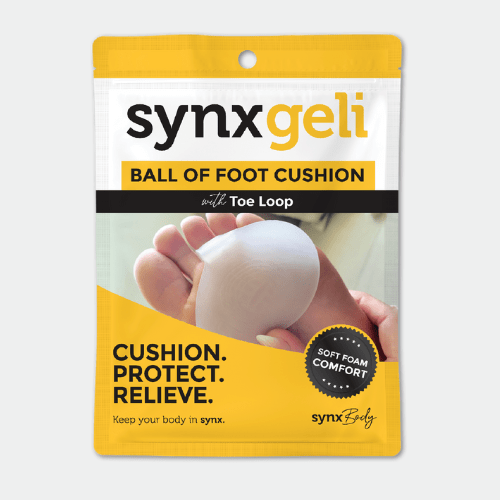
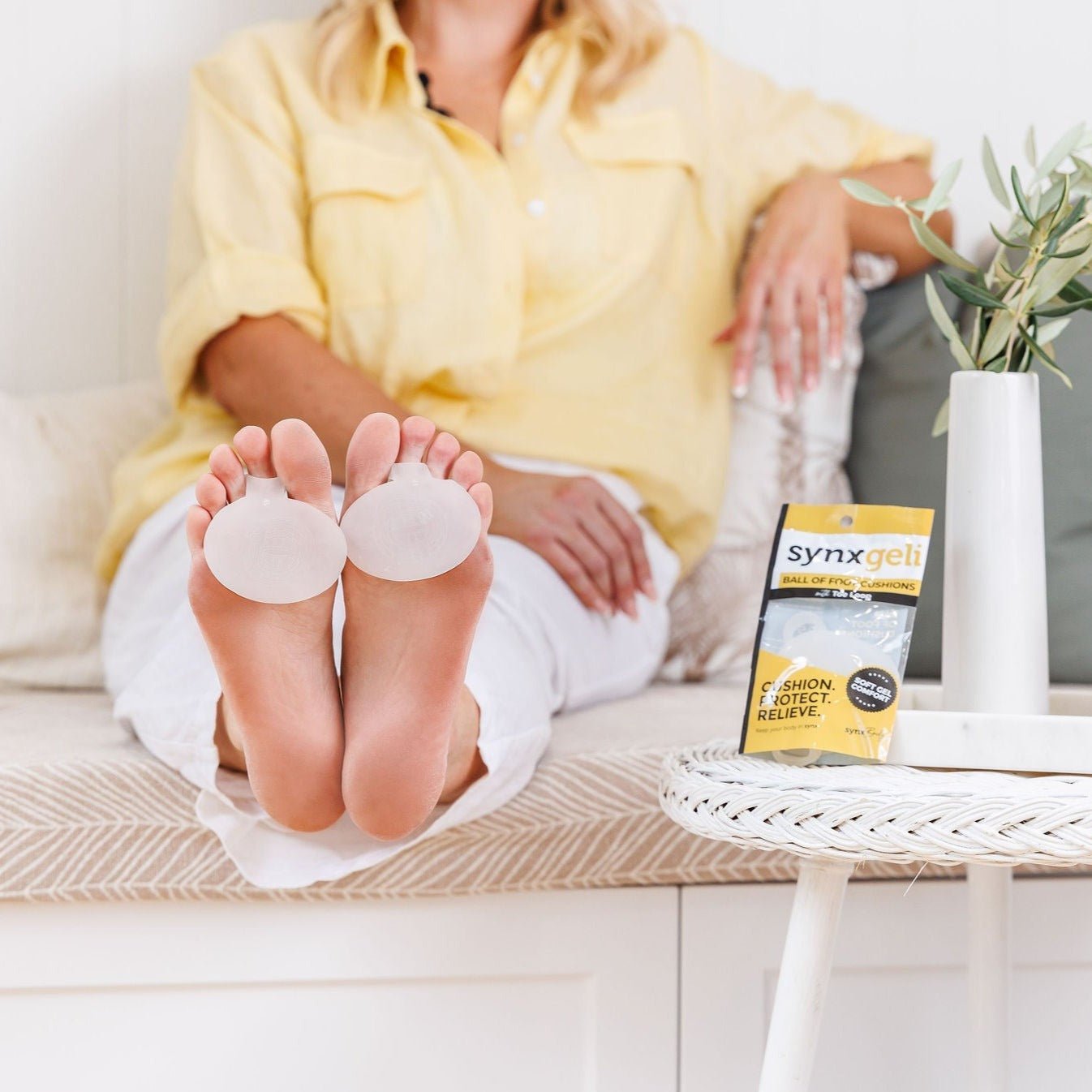
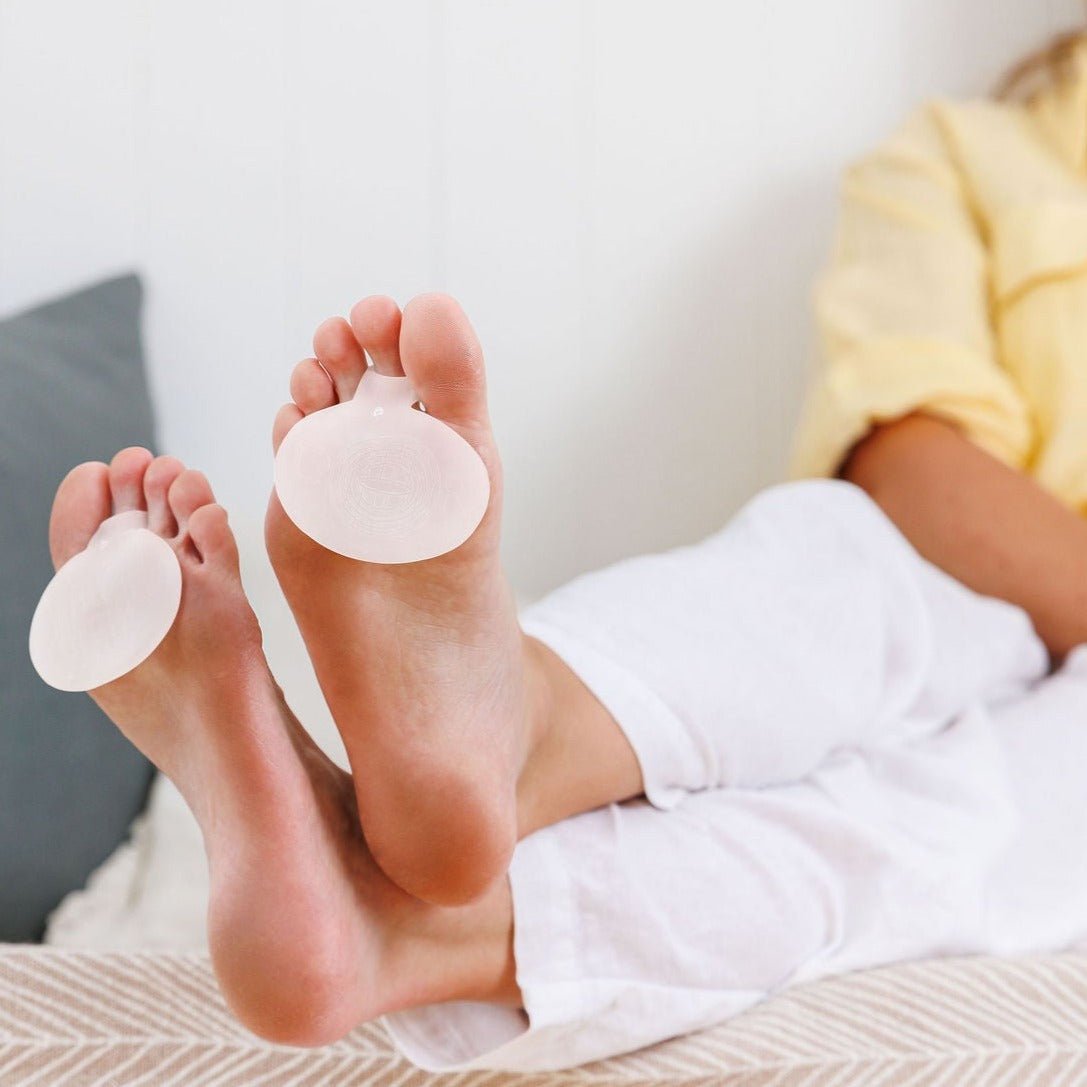
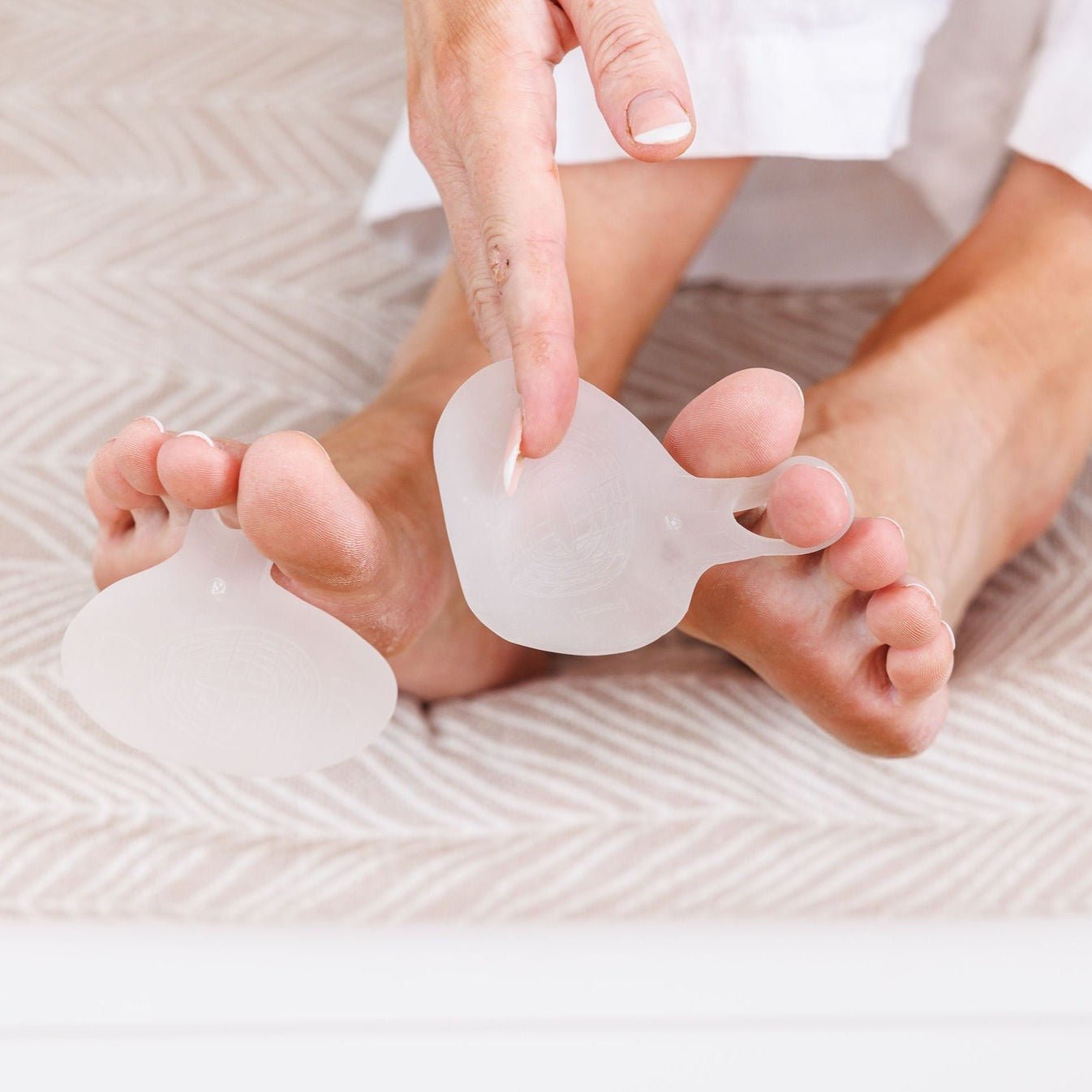
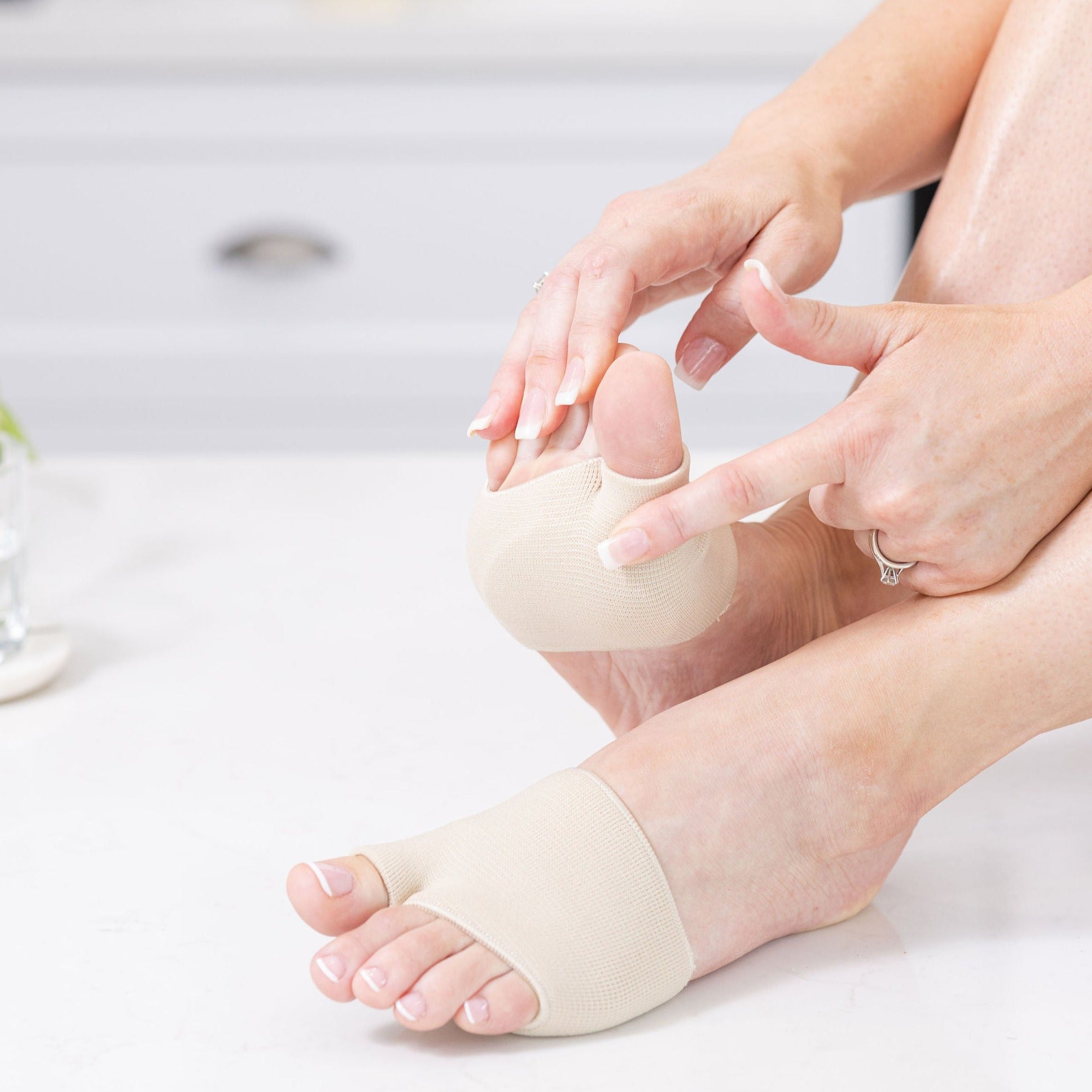
For immediate targeted relief, the Synxgeli Gel Ball of Foot Cushion with Toe Loop is the most direct solution sitting precisely under the metatarsal heads where pressure concentrates and staying securely in position with a toe loop that prevents forward slipping.
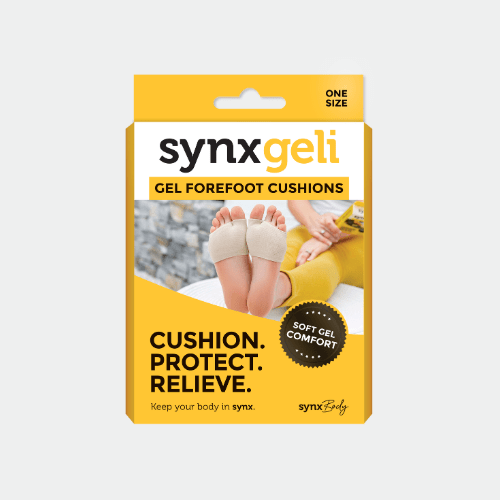
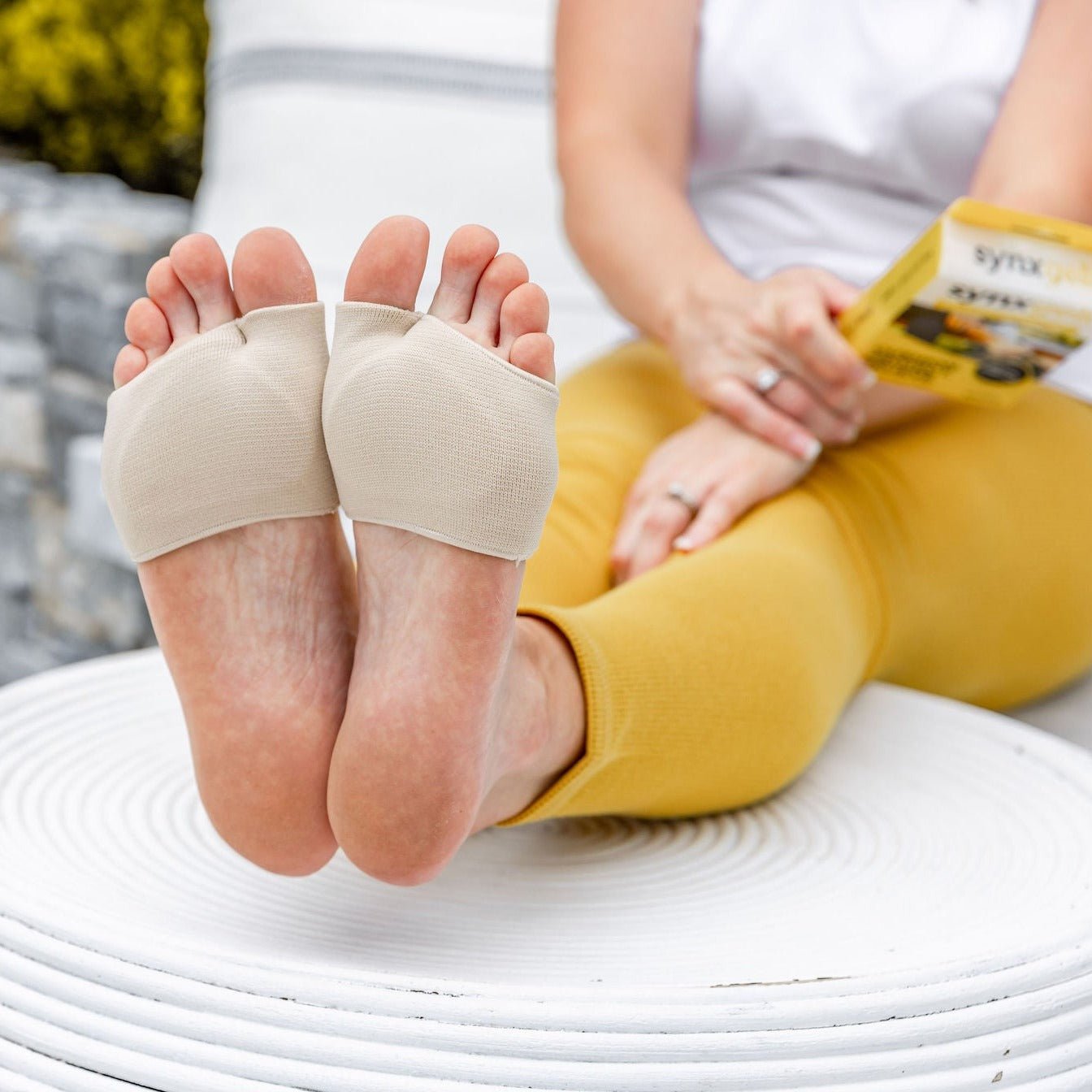
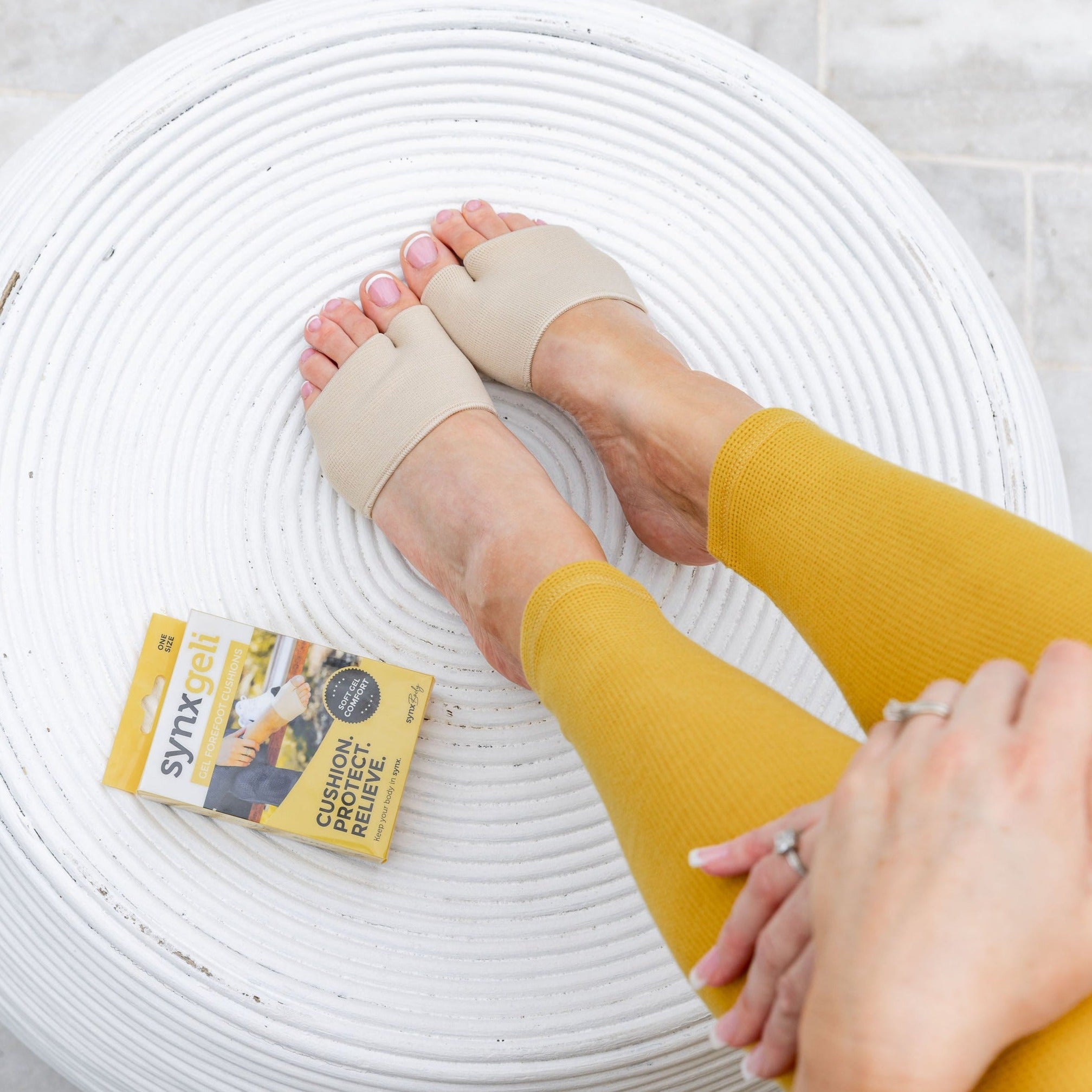
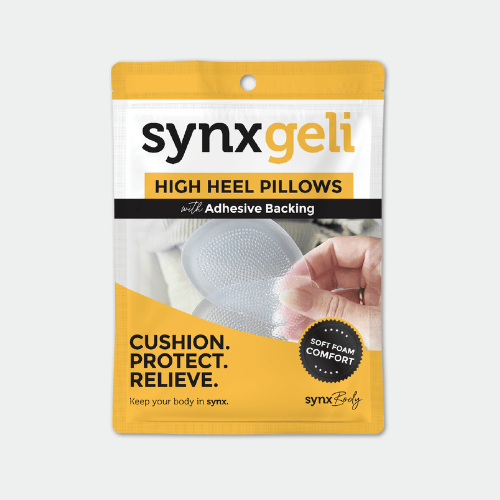
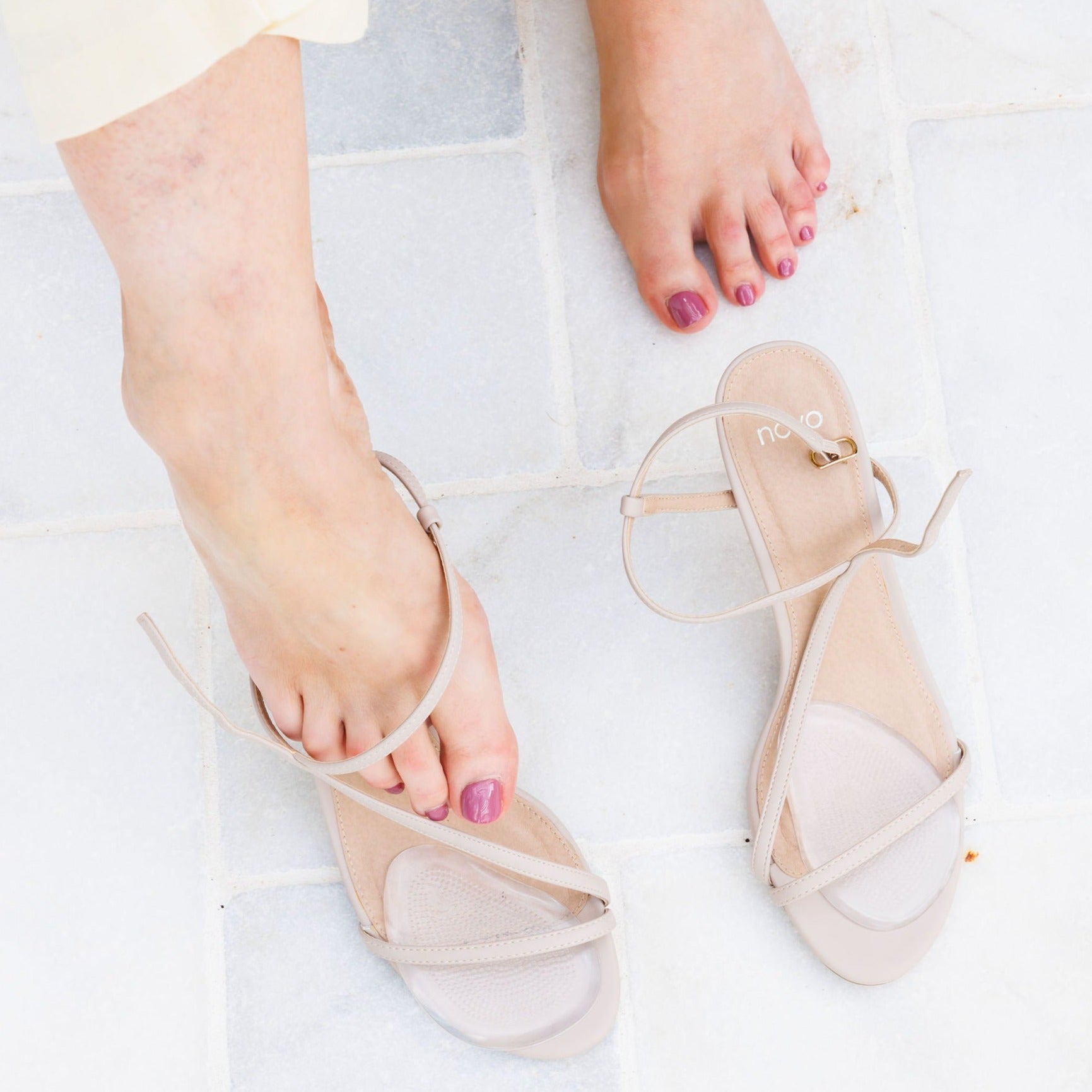
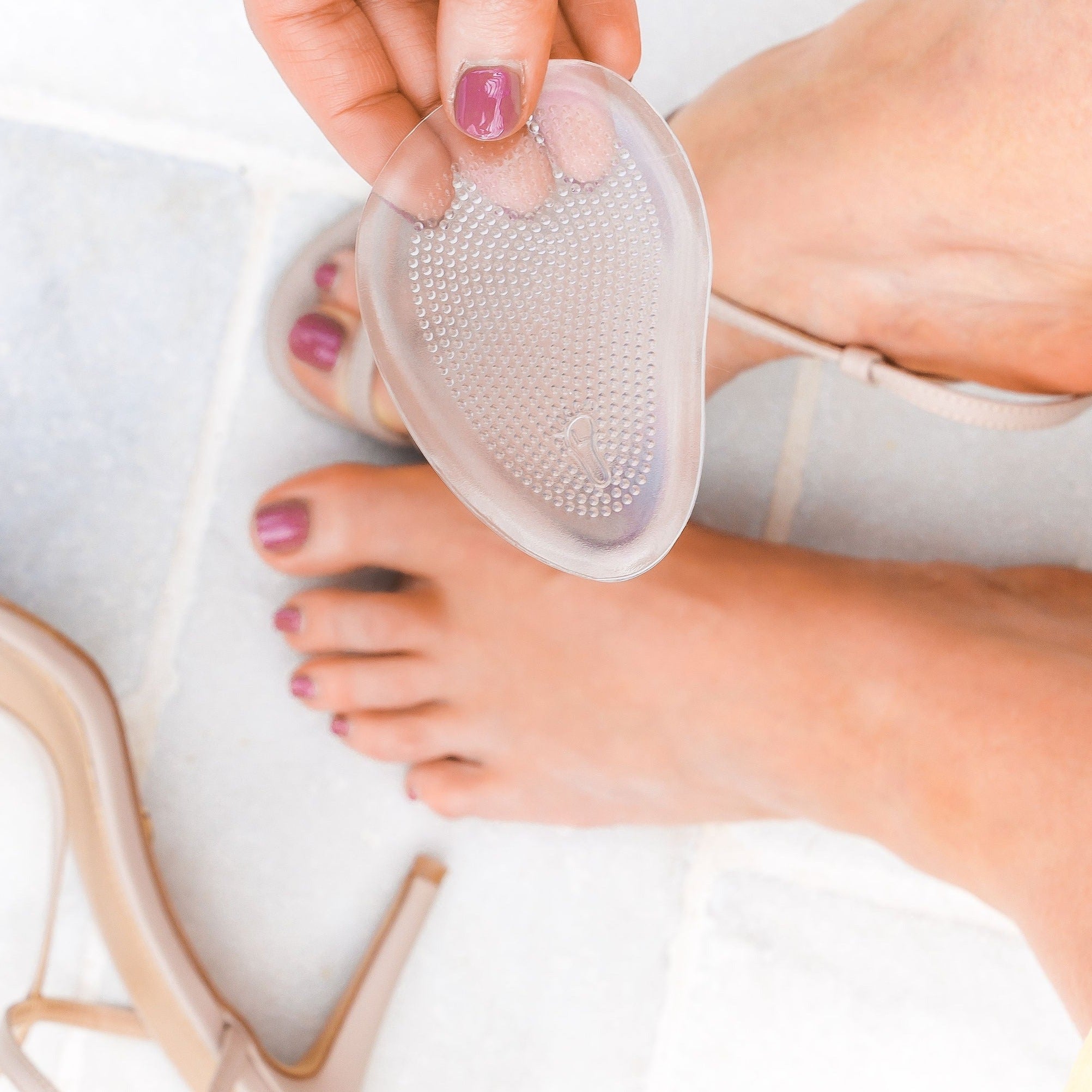
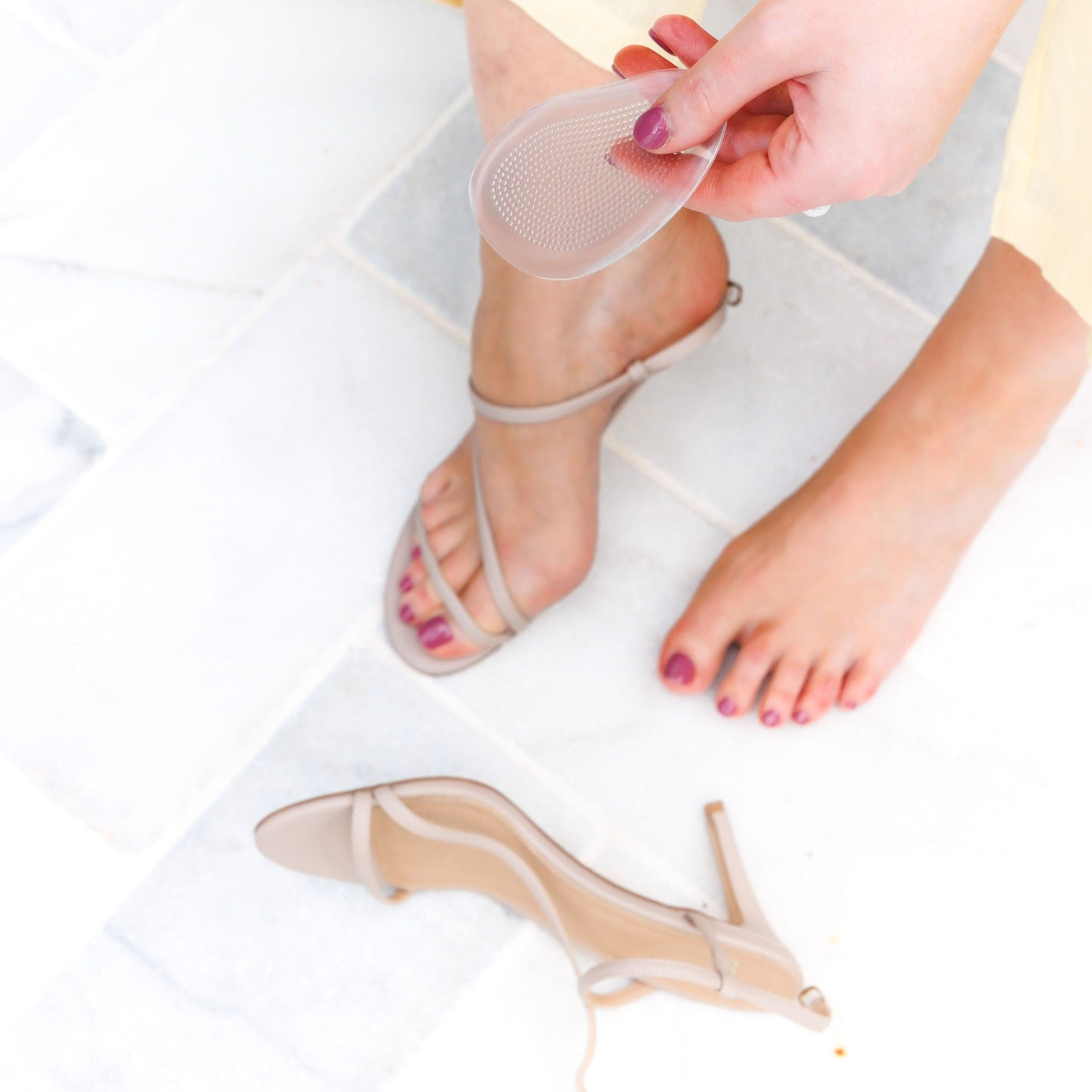
The Gel Forefoot Cushions provide broader metatarsal cushioning and toe joint elevation for more comprehensive forefoot protection. For the most complete management of metatarsalgia, combining the gel cushioning products with the Synxsole Align Pro Insoles delivers both surface protection and biomechanical load redistribution addressing the immediate pain and the structural cause simultaneously. For ball of foot pain specifically in heels, the Gel High Heel Pillows are designed specifically for the pressure dynamics of elevated footwear.
Can Align Pro insoles help with ball of foot pain?
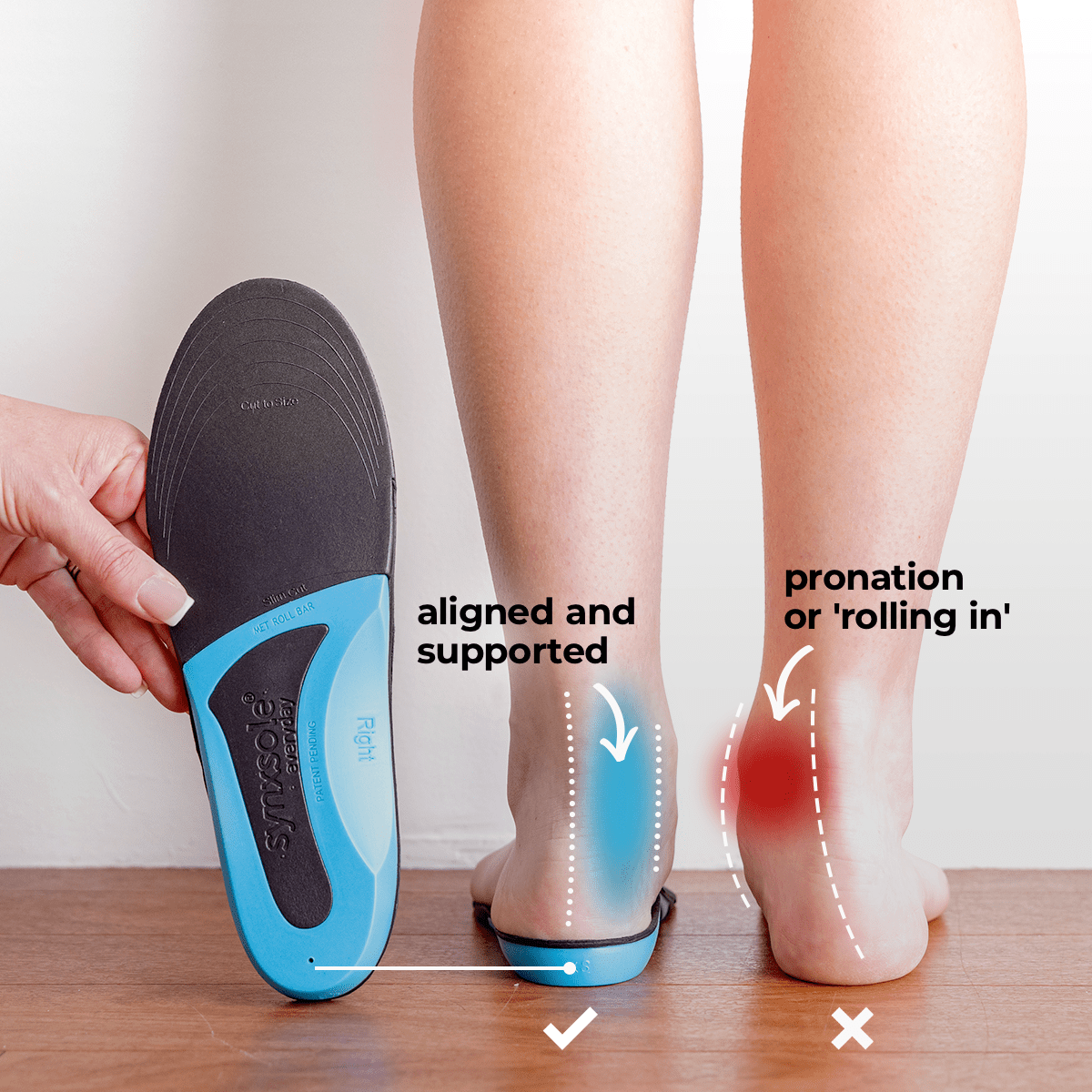
Yes orthotic insoles are one of the most clinically effective interventions for metatarsalgia because they address the biomechanical root cause rather than just cushioning the symptom.
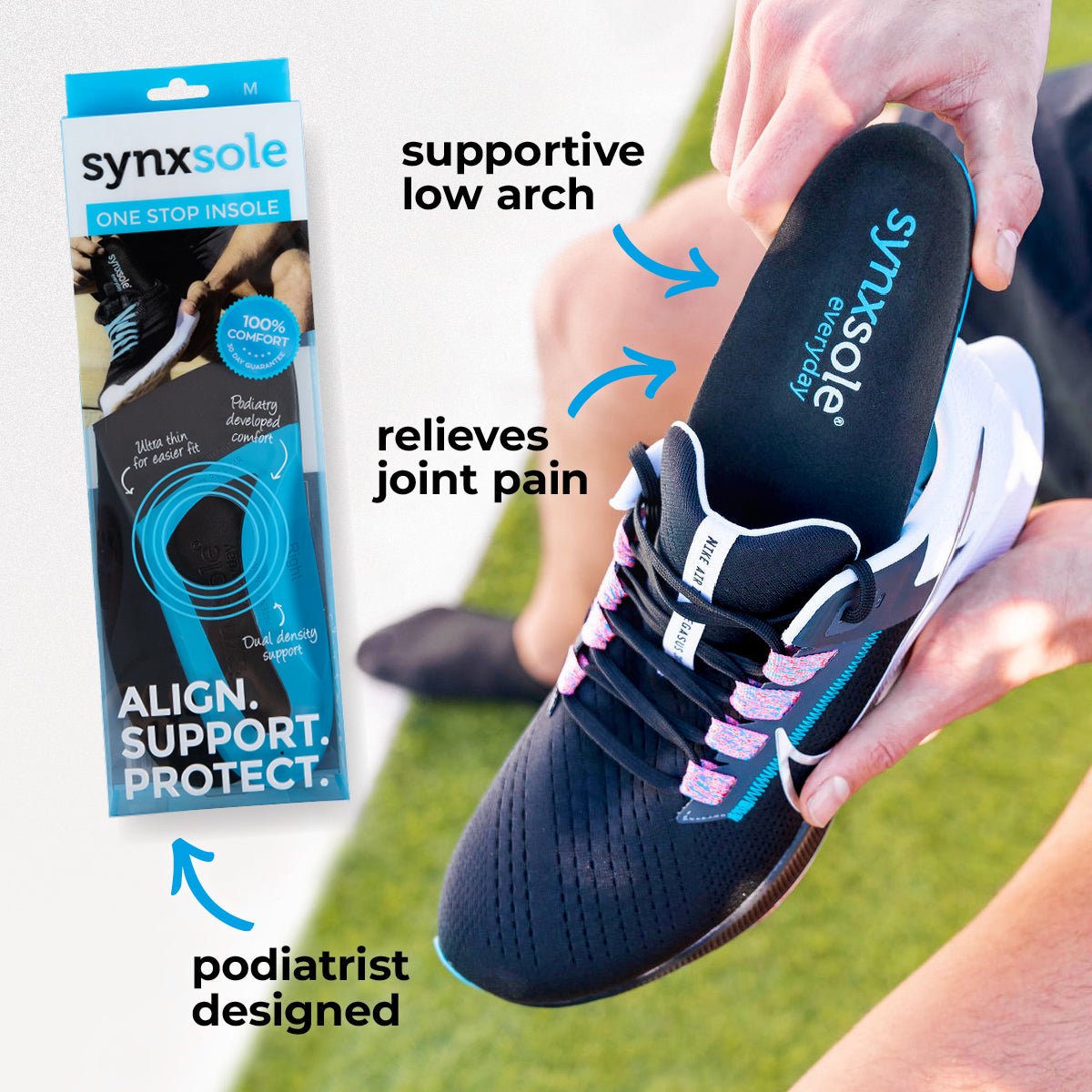
The Synxsole Align Pro Insoles support the arch and redistribute the load that concentrates on the metatarsal heads during walking reducing the forefoot pressure that drives metatarsalgia by guiding the foot into correct alignment. For most people with ball of foot pain, the combination of arch support from the insoles and targeted metatarsal cushioning from the gel forefoot products provides the most comprehensive and lasting relief the insoles managing the load from above and the gel products protecting the metatarsal heads from below.
Can callus under the ball of the foot make metatarsalgia worse?
Yes callus that develops under the metatarsal heads as a result of sustained forefoot pressure adds to the discomfort by creating a hard, unyielding layer between the metatarsal head and the shoe insole. This hardened skin concentrates rather than distributes the pressure load making the pain worse than the underlying metatarsalgia alone would produce.
The Synxpedi Nano Glass Foot Smoother gently removes this callus with advanced nano glass technology more effectively than pumice and more safely than metal rasps reducing the hardened layer that compounds forefoot pain. For more significant callus, the Synxpedi 3-in-1 Electric Foot Polisher handles heavier build-up more efficiently. Always follow exfoliation with the Diamond Luxe Heel Balm to nourish and protect the freshly treated skin.
What is the difference between the Gel Ball of Foot Cushion and the Gel Forefoot Cushions?
Both products cushion the metatarsal area but they differ in design and application. The Gel Ball of Foot Cushion with Toe Loop is a targeted pad that sits precisely under the metatarsal heads and is secured in position by a toe loop that keeps it from slipping forward during activity. It's the most precise and secure option for targeted metatarsal head protection. The Gel Forefoot Cushions are self-adhesive pads that attach inside the shoe providing broader forefoot cushioning and toe joint elevation across the full metatarsal area. Both are effective for metatarsalgia the toe loop design is better for active use where the cushion needs to stay precisely positioned, and the adhesive forefoot cushion is better for everyday footwear where a fixed insole application is preferred.
Choosing a selection results in a full page refresh.