4.9
4.9
4.9

FAQs

What is Achilles tendonitis and what causes it?

Achilles tendonitis is inflammation of the Achilles tendon the large tendon that connects the calf muscles to the heel bone and is responsible for every push-off motion during walking, running and jumping.

It develops when the tendon is subjected to more load than it can absorb and recover from typically through a sudden increase in activity, tight calf muscles that place excessive tension on the tendon, overpronation that creates abnormal tensile forces at the Achilles insertion, or prolonged use of unsupportive footwear that fails to manage the biomechanical load. Left unmanaged, Achilles tendonitis can progress from inflammation to tendinopathy a structural deterioration of the tendon tissue that is significantly harder to treat.

What is the fastest way to recover from Achilles tendonitis?

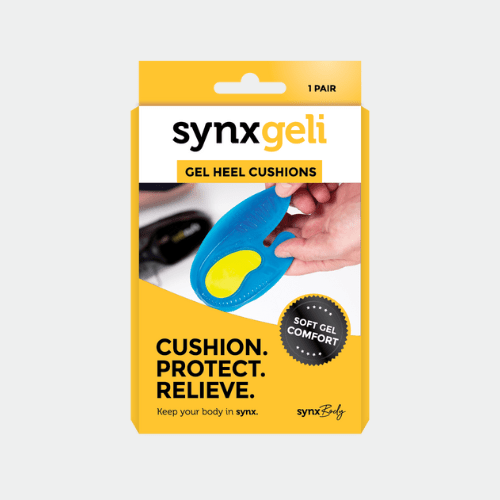
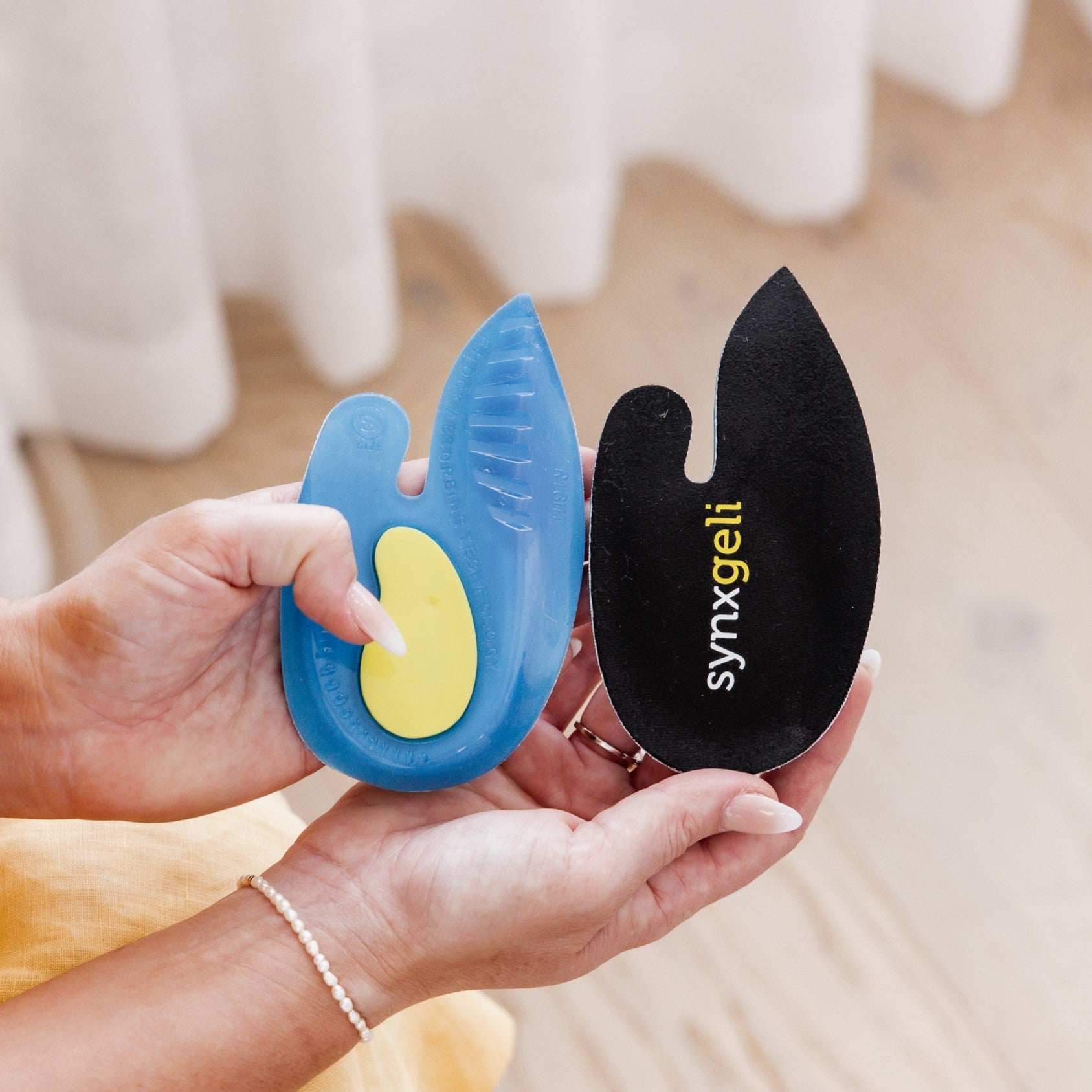
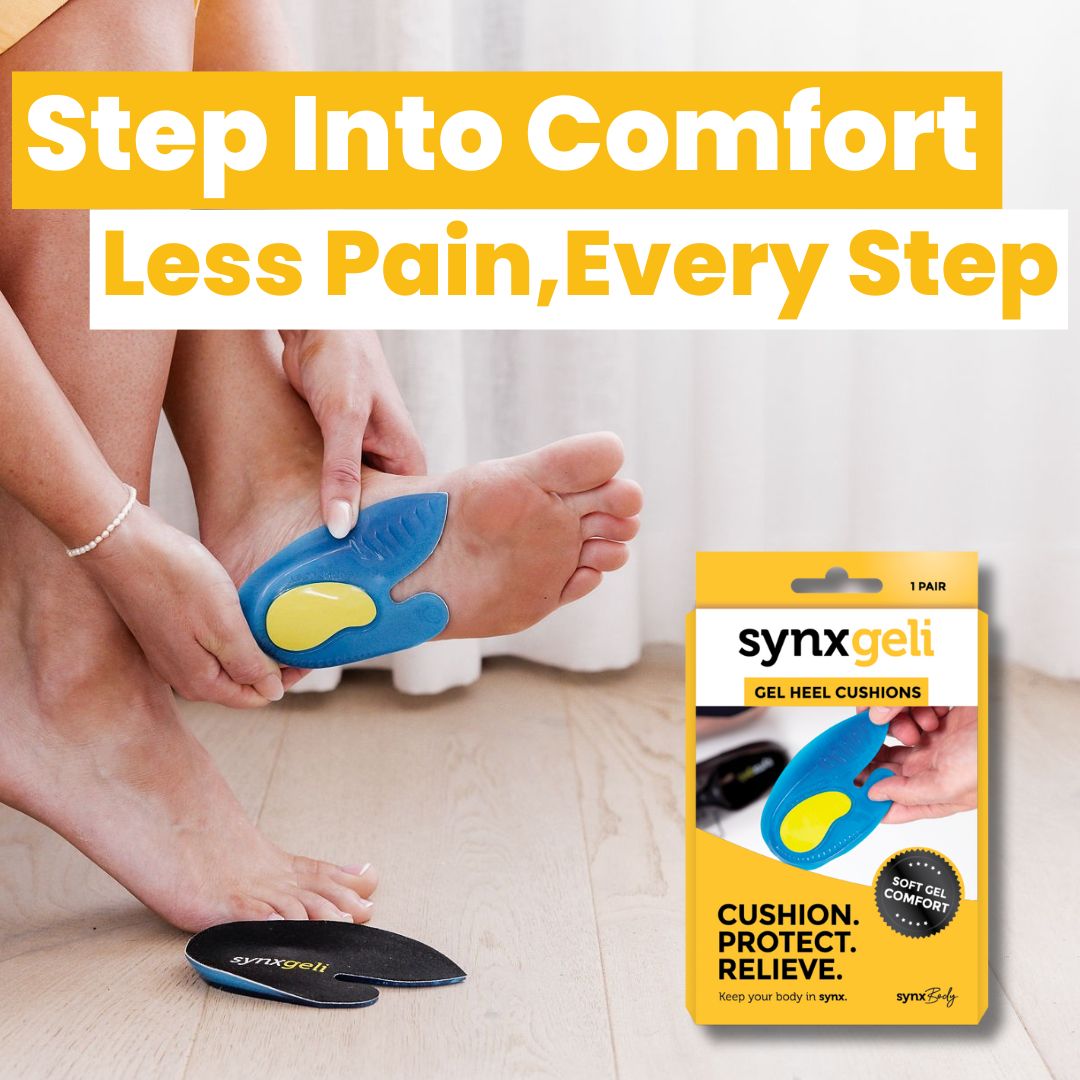
The fastest recovery from Achilles tendonitis comes from addressing all contributing factors simultaneously rather than managing a single symptom. Reduce inflammation with ARTG-approved Class 2 compression from the Foot & Ankle Compression Sleeves worn during activity and overnight. Reduce biomechanical load on the tendon with the Synxsole Align Pro Insoles and Gel Heel Cushions the insoles correct overpronation and the heel cushions reduce the impact at the Achilles insertion with every step. Release the calf and Achilles tightness that drives the condition with the RelaxaPulse Vibrating Massage Roller fifteen to twenty minutes daily on the calf and posterior chain.

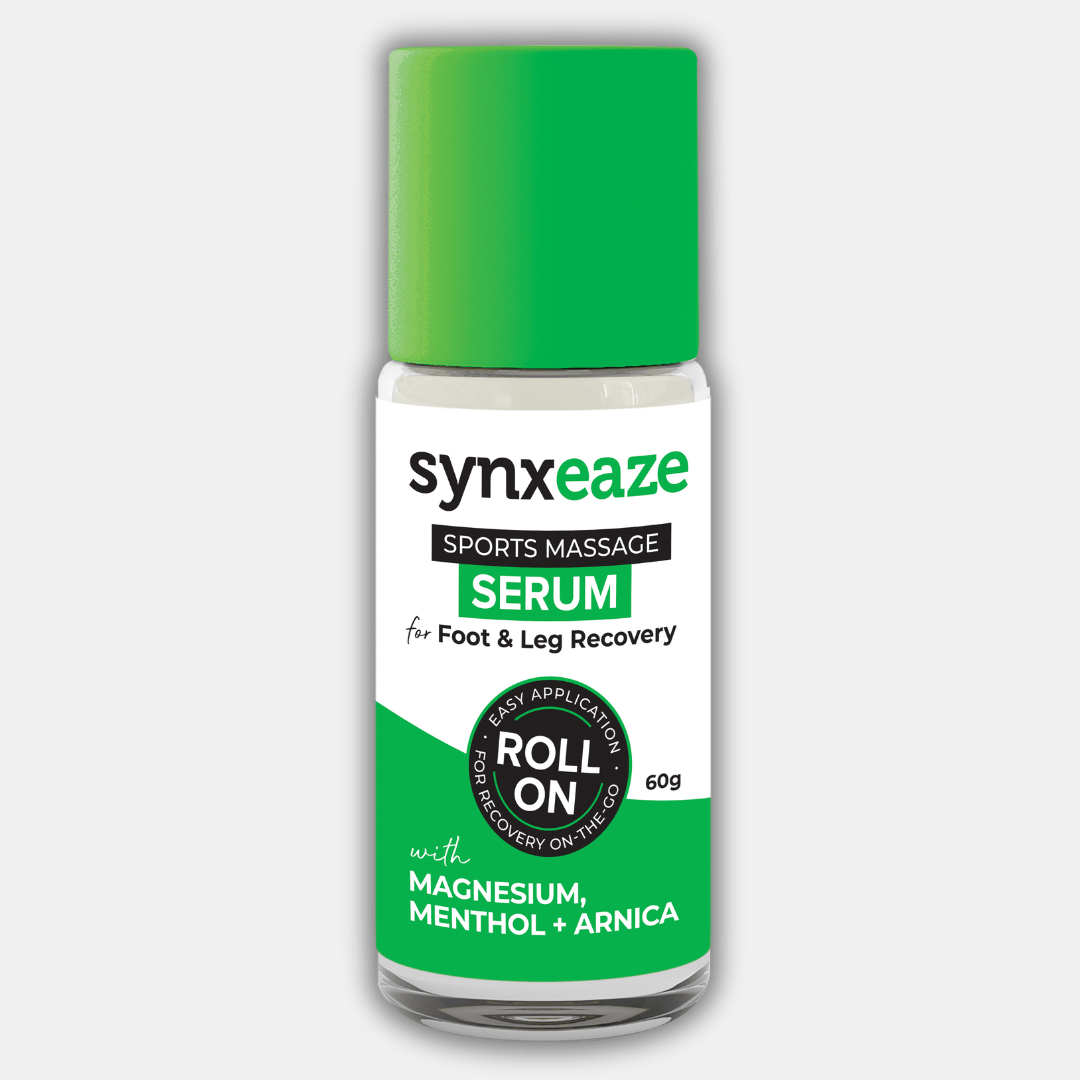
Apply the Synxeaze Magnesium Roll-On immediately after rolling for additional anti-inflammatory support. Consistency across all of these simultaneously produces faster results than any single approach alone.

Do compression sleeves help Achilles tendonitis?

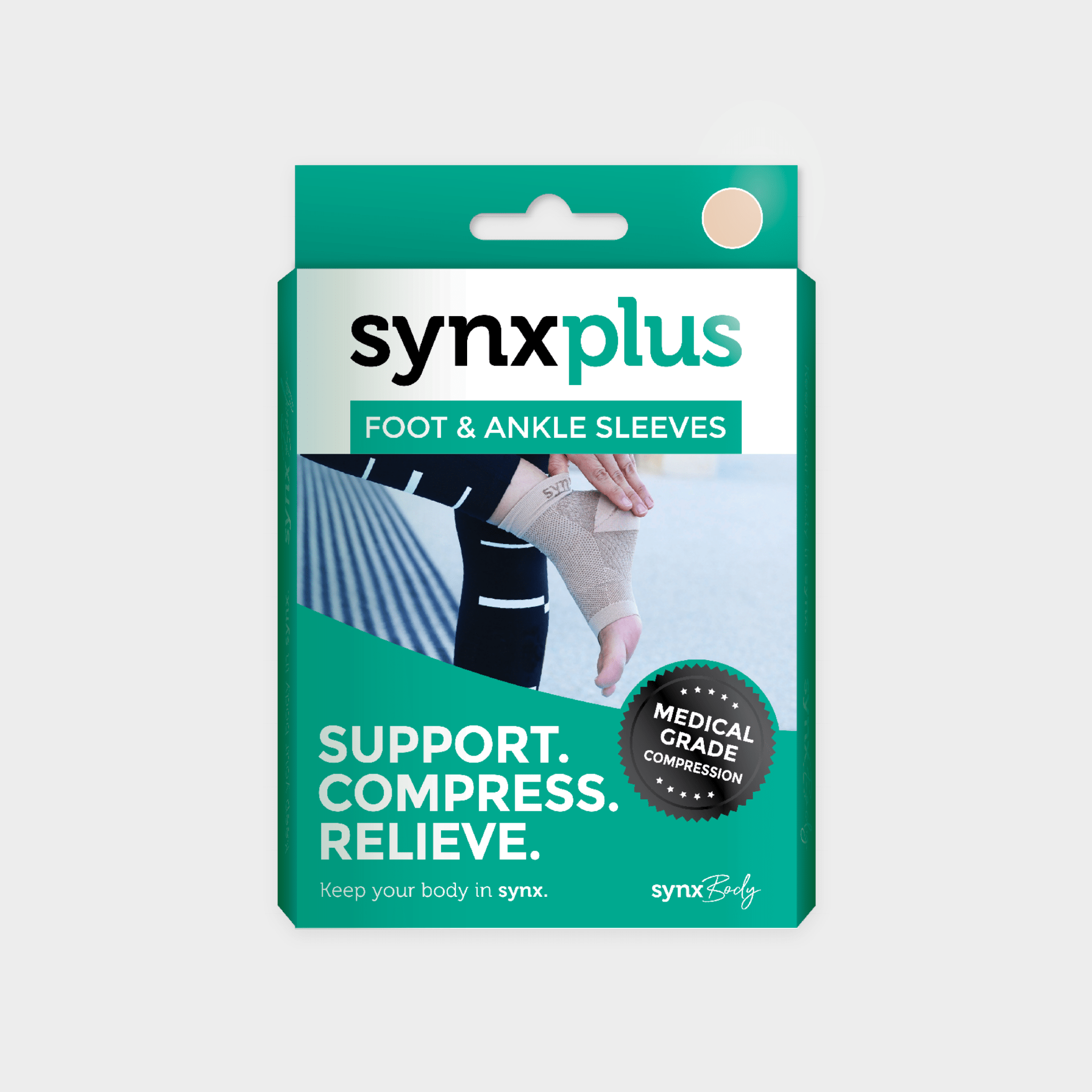
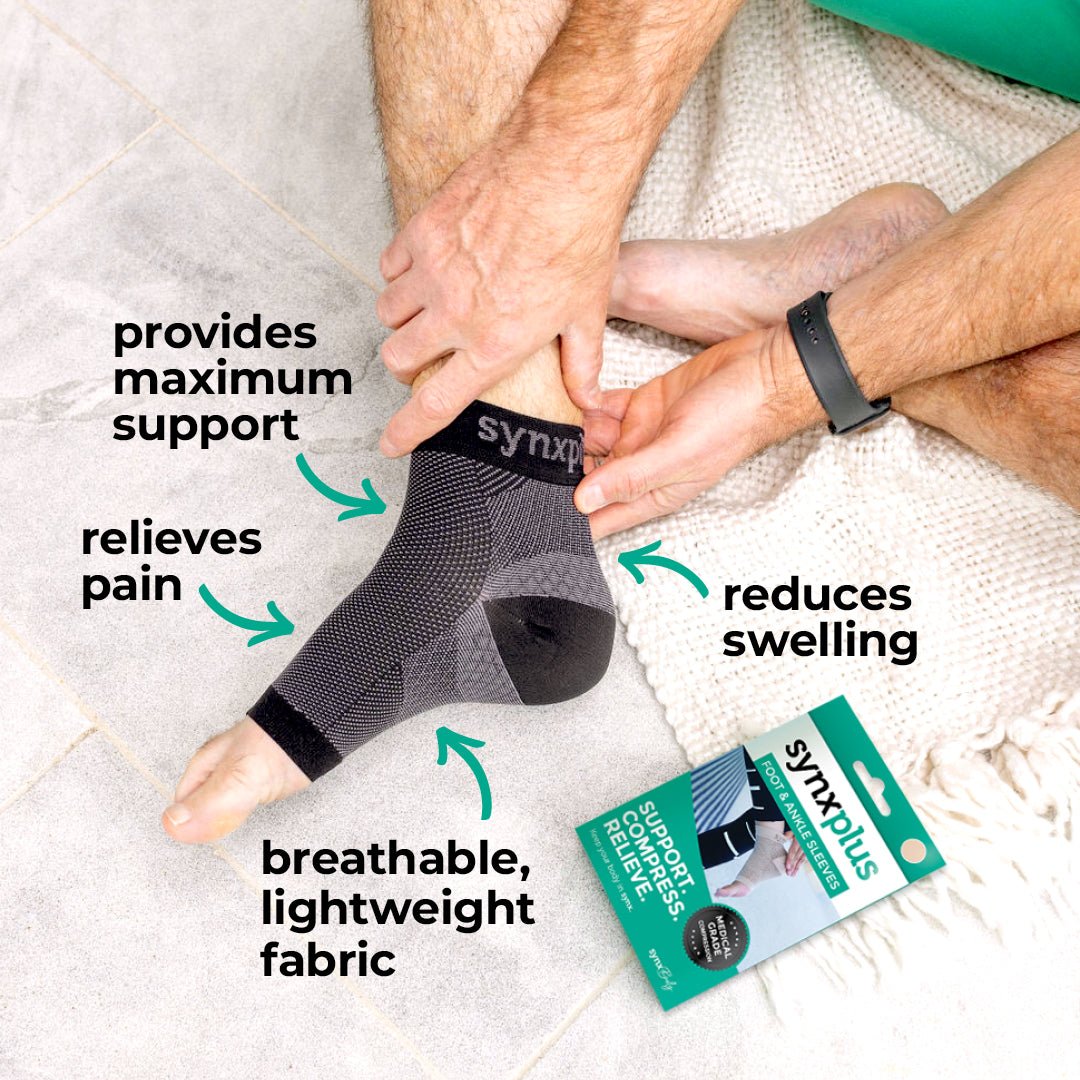
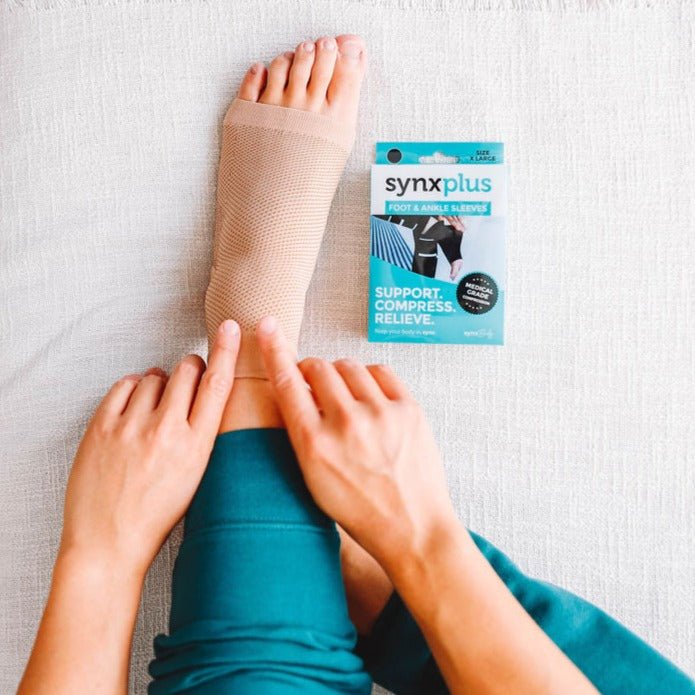
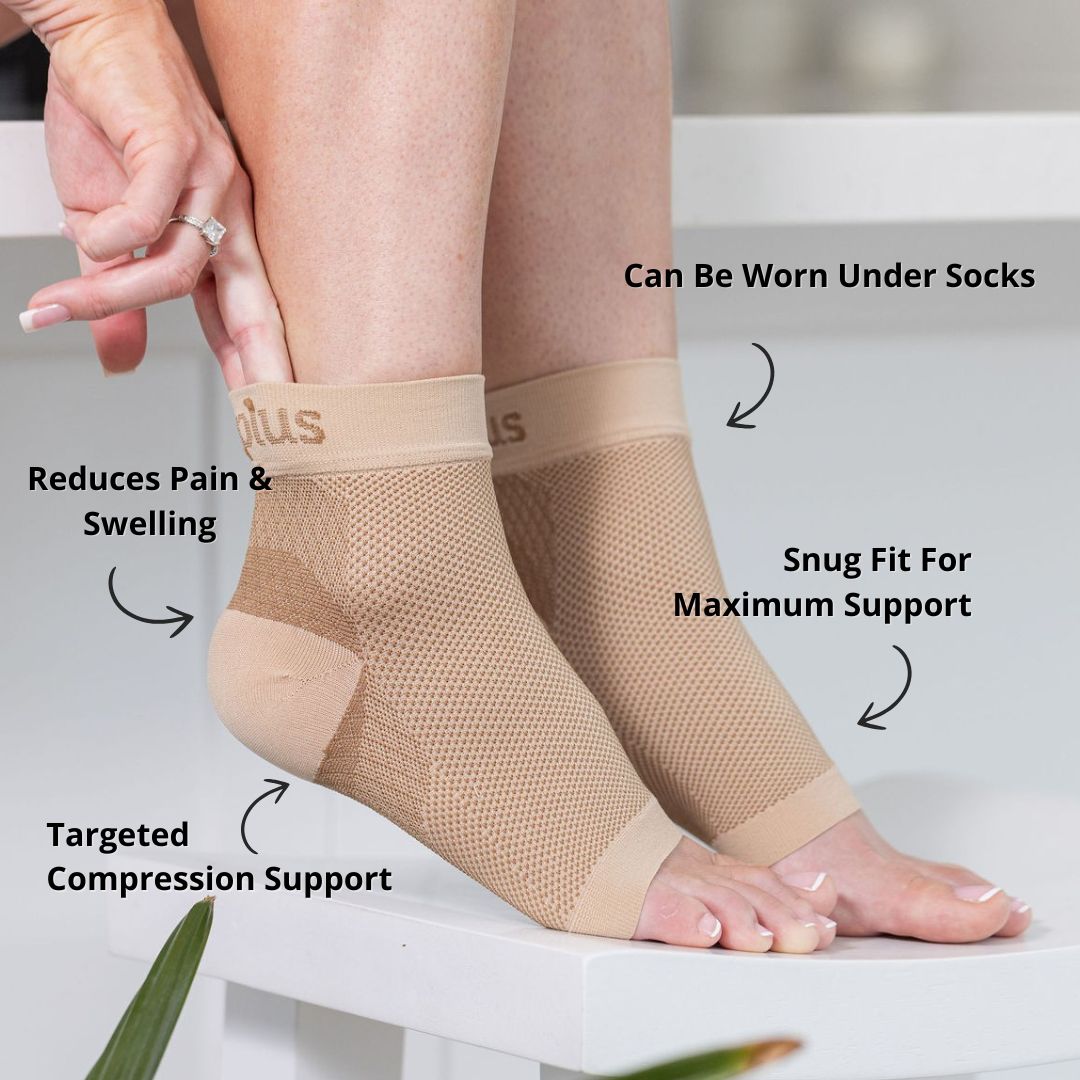
Yes compression is a clinically established intervention for Achilles tendonitis management. The SynxPlus Foot & Ankle Compression Sleeves deliver ARTG-approved Class 2 Medical Compression at 23–32 mmHg specifically contoured for the foot and ankle anatomy reducing the inflammation around the tendon, improving circulation to the healing tissue and providing the structural support that reduces tendon strain during load-bearing activity.

Overnight wear is particularly valuable continuous compression during sleep manages the inflammation that causes the morning stiffness and pain that Achilles tendonitis is known for. Most people notice a meaningful improvement in Achilles pain and morning stiffness within the first few weeks of consistent use.

Can insoles help with Achilles tendonitis?

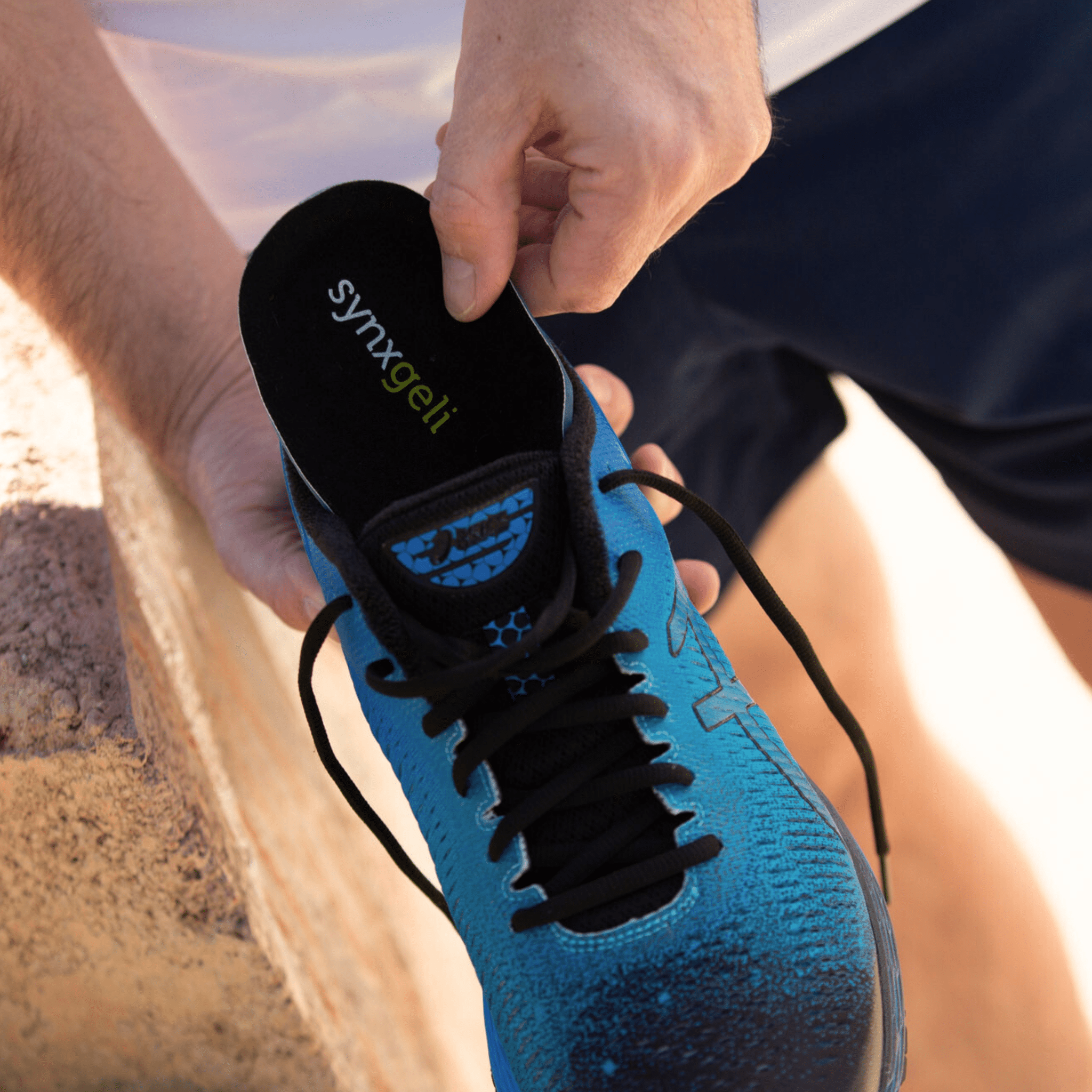
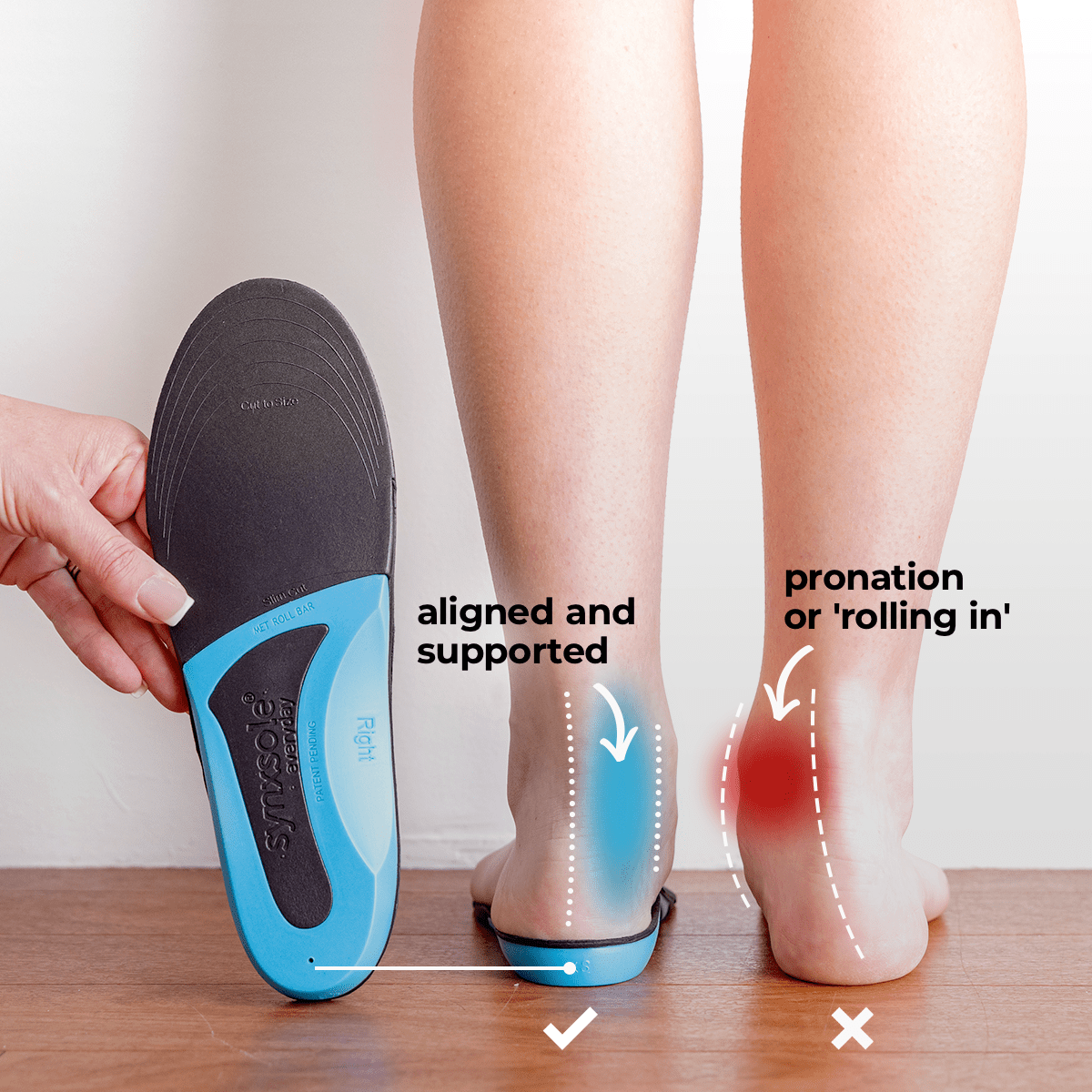
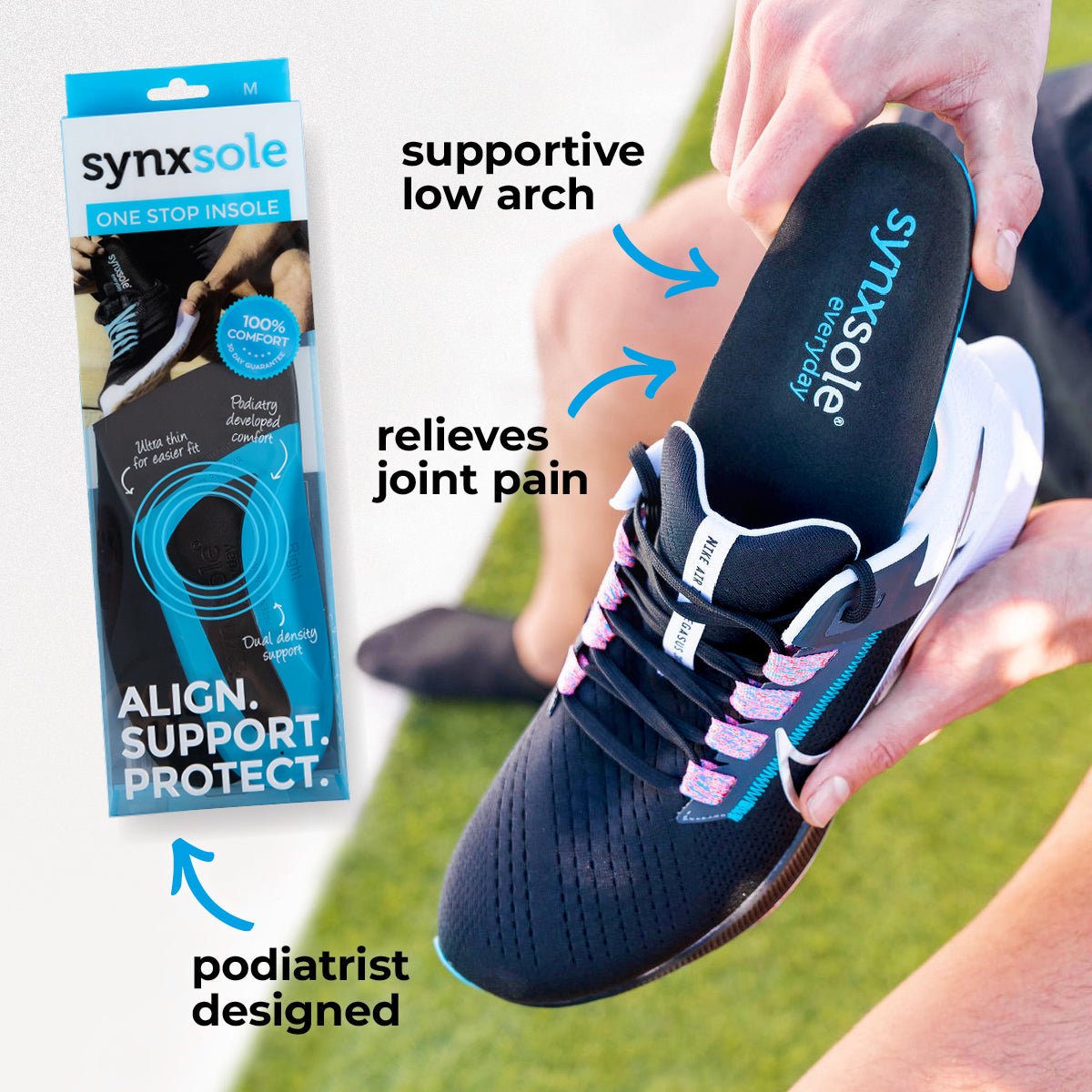
Yes and for many people with Achilles tendonitis, insoles are one of the most important interventions because they address the biomechanical root cause rather than just managing the symptoms. Overpronation excessive inward rolling of the foot during walking and running creates abnormal tensile forces on the Achilles tendon that contribute significantly to both the development and the persistence of the condition. The Synxsole Align Pro Insoles support the arch and guide the foot into correct alignment, reducing the overpronation that loads the Achilles abnormally. Combined with the Gel Heel Cushions which reduce the impact at the heel and Achilles insertion insoles provide the structural management foundation that compression and recovery products build on.

How long does Achilles tendonitis take to heal?

Achilles tendonitis healing time varies significantly depending on severity, how long the condition has been present and how consistently the contributing factors are managed. Mild insertional Achilles tendonitis managed early with compression, insoles, heel cushions and consistent soft tissue release typically shows meaningful improvement within four to eight weeks. Mid-portion tendinopathy and conditions that have been present for months or years take longer and for chronic or severe presentations, a podiatrist or physiotherapist should assess whether additional clinical management including progressive loading rehabilitation or imaging is needed. The most common reason Achilles tendonitis persists is inconsistent management addressing only one contributing factor while the others continue to load the tendon.